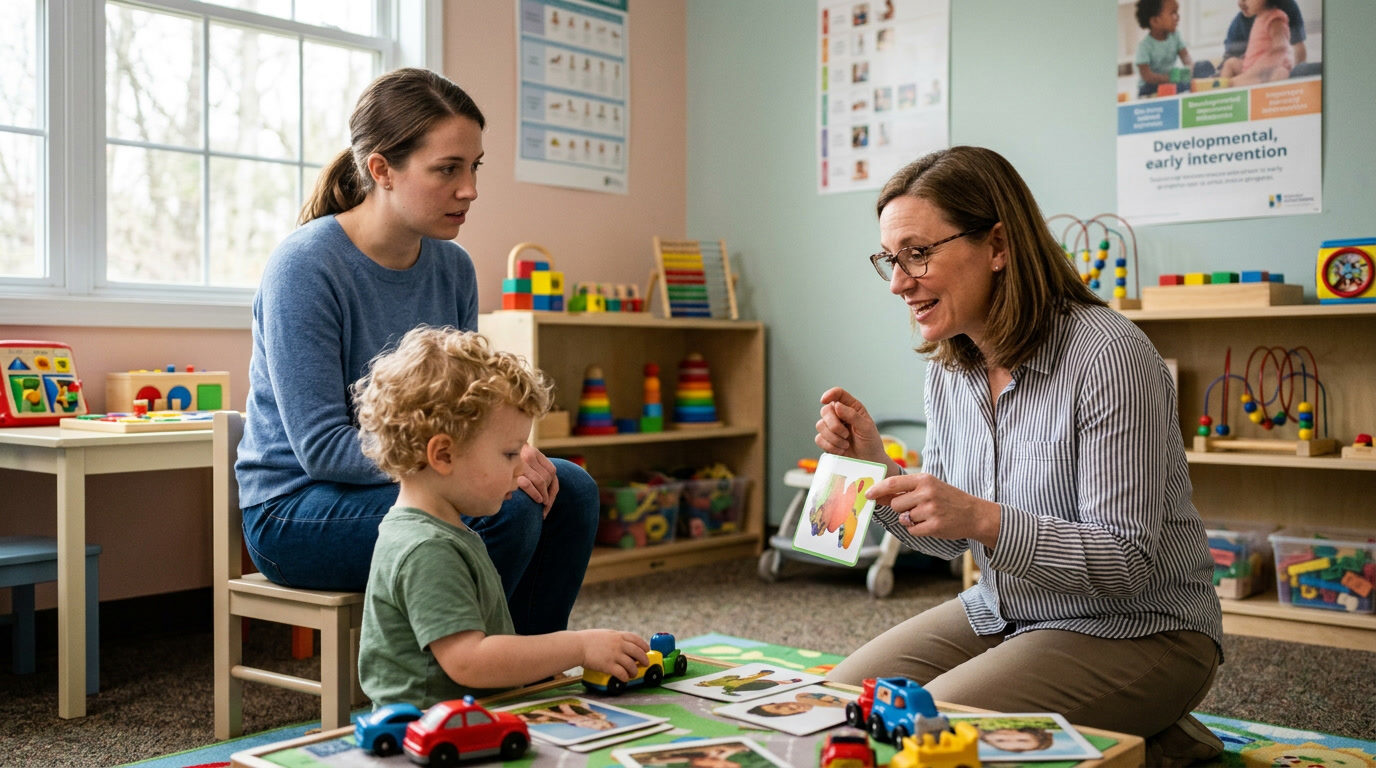
Speech Delay Signs in a 2 Year Old: What to Watch For
A two year old may have a speech delay if they say fewer than about 50 words, are not yet putting two words together, use few gestures, or seem not to understand simple requests. The safest move is to check hearing and ask for an evaluation sooner rather than later.

In this article
Here is a number that surprises many parents. In one large Australian community study led by Stephen Zubrick and colleagues, roughly 1 in 6 children showed late language emergence at 24 months. Separately, the US National Institute on Deafness and Other Communication Disorders (NIDCD) reports that about 1 in 13 children aged 3 to 17 has a disorder involving voice, speech, language, or swallowing. So if you are lying awake wondering why your toddler has only a handful of words while the child next door is chatting in sentences, you are far from alone.
I have sat across from a lot of worried parents in clinic, and the question is almost always the same: "Is this just a late bloomer, or is something going on?" The honest answer is that it can be either, and the only way to know is to look at the whole picture, not just the word count.
This article walks you through that picture the way I would in an appointment.
What you'll understand by the end:
1. What Counts as Typical Speech at Age 2
A typical 2 year old uses at least a handful of two word combinations, has a growing vocabulary of 50 words or more, and understands far more than they can say. That is the rough benchmark most clinicians use, though the exact numbers depend on which guidance you follow.
Speech versus language
These two words get used as if they mean the same thing, but they don't, and the difference shapes what we look for.
- Speech is how sounds are made: the clarity, the mouth movements, the rhythm. - Language is the system of meaning: the words a child knows (expressive language) and the words they understand (receptive language).
A child can have clear speech but few words. Another can have lots of words that are hard to understand. And some children have difficulty with both. At age 2, we mainly focus on language: how many words, how they combine them, and how well they understand.
What the CDC milestones say
The US Centers for Disease Control and Prevention (CDC), working with the American Academy of Pediatrics (AAP), revised the milestone checklists in 2022. Their list for 24 months includes:
At 18 months, the CDC looks for a child who tries to say three or more words besides "mama" or "dada" and follows simple one step directions without gestures. By 30 months, they expect about 50 words and short phrases combining a noun and an action, such as "doggie run".
You may notice that "50 words" used to sit at the 24 month mark in older checklists and now appears at 30 months. The revised milestones were designed so that most children (about 75 percent) will have reached each one by that age. Many clinicians and speech and language therapists still use "fewer than 50 words at 24 months" as a practical trigger for a closer look, and so do I.
The range is wide
Typical development covers a wide spread. Some perfectly healthy 2 year olds have 300 words. Others have 30 and then take off at 27 months. That is exactly why a single number never tells the whole story.


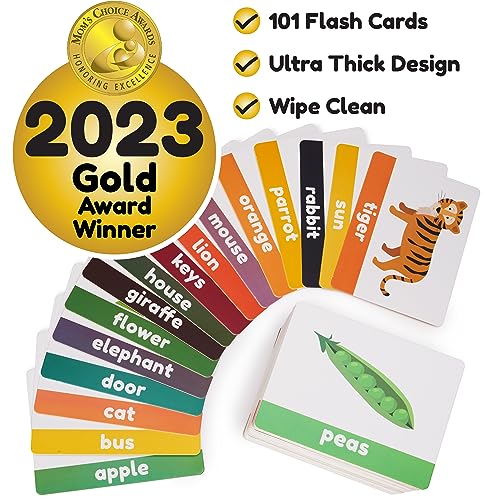
LearnWorx 101 Baby Flash Cards for Toddlers 1-3 | Award Winning First Words Toddler Flash Cards | Speech Toys Help Learn Objects, Numbers & Play Games - Big Toddler Learning Flashcards Preschool Kids
- 101 FLASHCARDS FOR TODDLERS 1-3 - Children love to learn with Learnworx. 101 first words kids flash cards. Our
- FUN GAMES & COUNTING TOO - On the reverse side of each of our toddler learning cards is a fun game. What color
- AWARD-WINNING DESIGNS - Multi award winning, designed by Moms, our large learning flash cards are sized 5" x 3
Picture cards can make that list easier to build, because they give you a prompt for naming things during a calm moment. A large set like LearnWorx 101 Baby Flash Cards covers animals, food, household objects, and outdoor items, and each card has a small game on the back. Treat cards as a conversation starter, not a test. If your toddler pushes them away, put them down and try again tomorrow.
2. The Key Signs of Speech Delay in a 2 Year Old
The clearest signs are a small vocabulary, no two word combinations, few gestures, difficulty following simple instructions, and any loss of skills. No single sign settles it. What matters is the pattern.
Sign 1: Fewer than 50 words, or no two word phrases
This is the classic marker. Researchers who study "late talkers" typically define them as toddlers around 24 months with a small expressive vocabulary (often under 50 words) and no word combinations, despite typical development in other areas.
Sign 2: Very few gestures
Gestures come before words. Pointing, showing you objects, waving, reaching, nodding, and blowing kisses are all early communication. A toddler who says little but gestures a lot is using language tools. A toddler who neither talks nor gestures worries me more.
Sign 3: Trouble understanding simple requests
Try this at home without giving any clues: "Get your shoes" or "Give me the ball." If your child rarely responds to everyday instructions unless you point or show, that points to a receptive language problem, and it deserves prompt attention.
Sign 4: Little imitation
Toddlers learn by copying. If your child rarely copies sounds, words, or actions (clapping, "uh oh", animal noises), that is worth noting.
Sign 5: A very limited range of sounds
By age 2, most children use a mix of consonants (like p, b, m, t, d, n, h, w) in their words. If your child mostly uses vowels or the same one or two consonants, it may suggest a speech sound issue on top of a language delay.
Sign 6: Speech that is very hard to understand
A commonly cited rule of thumb is that familiar listeners understand about half of a 2 year old's speech, rising to about three quarters at age 3. If even you, the person who knows this child best, can rarely work out what they mean, mention it.
Sign 7: Limited back and forth connection
Watch how your child shares attention. Do they look at you when you talk? Respond to their name? Bring you things to show you? Take turns with sounds or games? Communication is a social act first, and words are only one part.
Sign 8: Frustration and tantrums that clearly link to not being understood
Every 2 year old has meltdowns. But if the frustration reliably spikes when your child cannot get a message across, that tells you language is the bottleneck.
The red flag that is never "wait and see"
Any loss of words, babbling, or social skills at any age needs a prompt medical assessment. Regression is different from a slow start. Call your paediatrician that week, not at the next routine visit.

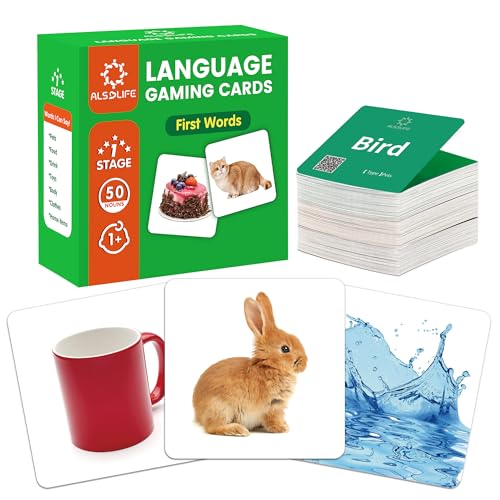

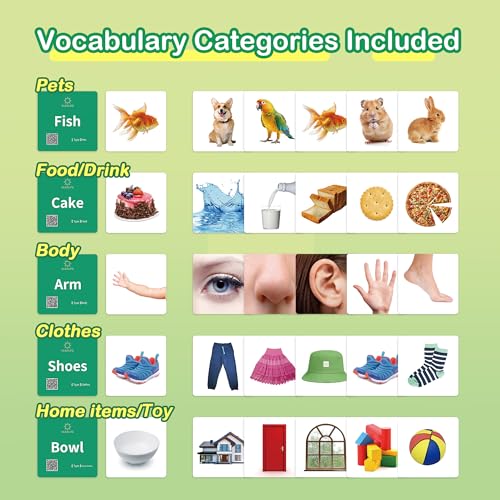

Thick Baby Flash Cards for Toddlers 1-3,50 First Words Noun Cards
- 【Key First Words Picture Cards for baby】50 high-frequency words kids actually use daily—think “dog” “cake” “sp
- 【Videos for Fun Learning】Watch your child’s eyes light up as they scan cards to see a dog bark! These interac
- 【5 Educational Games & Bonus Parent Guide】This set features an easy-to-follow parent guide with 5 engaging gam
If you want a structured way to track progress, a set such as the ALSOLIFE 50 First Words cards comes with a vocabulary checklist and a parent guide with simple games like sorting and requesting. Those 50 high frequency nouns (dog, cake, spoon, nose) also happen to line up neatly with the number many clinicians use as a benchmark. A checklist is only a record, though. It does not replace a professional assessment.
3. Late Talker or Language Disorder? Understanding the Difference
A late talker is a toddler with a small vocabulary who is otherwise developing typically; a child with a developmental language disorder has language difficulties that persist and affect learning and communication. At age 2, they can look exactly the same.
What the research says about catching up
Here is the reassuring part. Studies, including work by Leslie Rescorla, who followed late talking toddlers over several years, found that many children with early delays end up within the typical range by school age. You will often see figures around 70 to 80 percent quoted in parent resources, though estimates vary by study and how "catching up" is defined.
Here is the less comfortable part. The same research found that late talkers, as a group, can score lower on some language and reading measures later on than their peers, even when they seem to have caught up. And nobody can tell at 24 months which child will resolve on their own and which won't.
That uncertainty is exactly why I do not recommend a long wait and see approach. Waiting wastes months of the period when the brain is most responsive to language input.
Factors that make persistent difficulty more likely
The evidence points to several risk factors:
None of these is a diagnosis. They simply shift how closely I want to follow a child.
Expressive versus receptive delay
A child with only an expressive delay understands language well but has trouble producing it. This group tends to do better. A child with a receptive delay struggles to understand as well, which is a stronger signal for early support.
Bilingual children
If your child hears two languages, you may hear well meaning relatives say that this is "confusing" them. It isn't. Bilingual children reach the same milestones on a similar timeline, though their words may be split across both languages. Count words from both languages together. If your bilingual toddler has fewer than 50 words in total across both, that is worth mentioning to your doctor.
Using words to grow words
For children who need a bigger bank of first words, categories matter. Sets such as ThinkPsych First Nouns Flash Cards (150 thick, durable picture cards) suit families who want a wider spread of vocabulary across animals, clothes, food, and more, plus language games that can grow with a child into the preschool years.

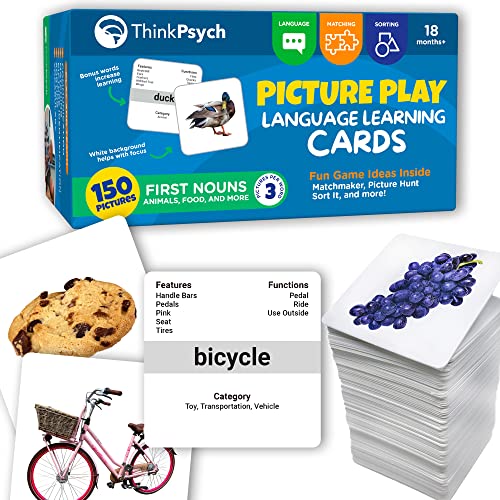

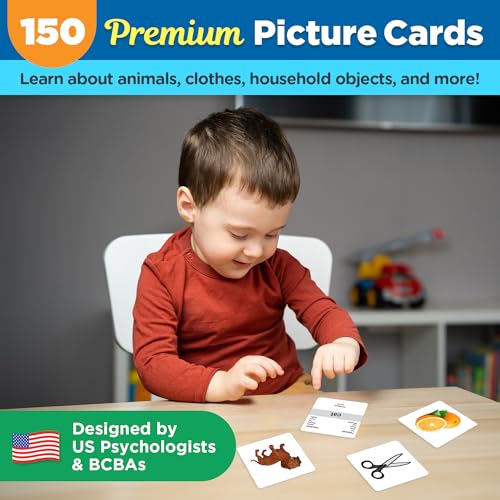

ThinkPsych First Nouns Flash Cards - 150 Picture Cards for Speech Therapy
- MORE THAN FLASHCARDS - Forget old & boring flashcards! Picture Play Cards are different. These THICK & DURABLE
- MADE FOR FUN - We've been teaching children to talk for 15 years. Our most important lesson? MAKE IT FUN. We i
- DEEP LEARNING - Picture Play learning goes beyond vocabulary: matching, reading, sorting, and more! Bonus word
The cards are a tool. The learning happens in the interaction: you name it, your child looks, you add a word, and you wait. Ten calm minutes with a few cards beats an hour of drilling.
4. What Else Could Be Going On: Hearing, Autism, and Other Causes
Speech delay is a symptom, not a diagnosis, so the first job is to find out whether something else is contributing. Hearing and autism screening are the two most important checks, and both are routine in a good evaluation.
Hearing comes first
A child who cannot hear speech clearly will struggle to learn it. Newborn hearing screening catches many cases, but it does not catch hearing loss that develops later. Repeated ear infections and fluid behind the eardrum (sometimes called glue ear) can lower hearing for weeks or months, right during the period of rapid word learning.
Signs to mention to your doctor include:
If in doubt, ask for a formal hearing test with an audiologist. It is painless, and you get a definite answer.
Autism
The AAP recommends autism specific screening at 18 and 24 months, commonly using the Modified Checklist for Autism in Toddlers (M-CHAT-R/F). Speech delay is one of several reasons parents ask about autism, but it is not the only sign and often not the earliest.
Alongside language delay, signs that raise more concern include:
Many late talkers do not have autism. But early identification opens the door to early support, and that is what matters most. If you share this concern, ask your paediatrician for a developmental screen.
Other possible contributors
Other things that can play a part include:
What about screens?
The WHO recommends no sedentary screen time for children under 1 and no more than 1 hour a day for ages 2 to 4, with less being better. The AAP suggests that, for children 18 to 24 months, any digital media should be high quality programming watched together with a parent. Why does this matter for speech? One study by Dimitri Christakis and colleagues found that background TV was linked to fewer adult words and fewer conversational turns with young children. Conversation is the engine of language, and anything that crowds it out costs you.
Touch and feel animal cards with raised letters and textures can be a lovely screen free option for this age, and the characters (Roy the Panda and Ellie the Elephant) give you a little story to tell together.
5. What to Do at Home: Practical Ways to Build Speech Every Day
The most powerful thing you can do is talk with your child, not at them, during everyday routines, and then wait for their turn. Trials of parent implemented language interventions, summarised in a meta analysis by Roberts and Kaiser, show that when parents are coached to use these strategies, toddlers' language improves.
Strategy 1: Narrate your day
Describe what you are doing and seeing in short, simple sentences. "Mummy cuts banana. Cut, cut, cut." "You are putting on your socks." You are not quizzing, you are giving a running commentary.
Strategy 2: Follow your child's lead
Notice what your child is looking at or playing with, then name it. Research on conversational turns (for example, work by Rachel Romeo and colleagues at MIT) suggests that the back and forth exchange matters even more than the sheer number of words a child hears.
Strategy 3: Add one more word
If your child says "ball", you say "big ball" or "red ball" or "throw ball". This is called expansion, and it models the next step without correcting them. Do not demand they repeat it.
Strategy 4: Wait, and give them time
Pause for five to seven seconds after asking a question or making a comment. Look expectantly. Many toddlers need much longer than we think to formulate a response. Hurrying in with the answer teaches them that they do not have to speak.
Strategy 5: Offer choices
Holding up two options ("Milk or water?") gives a natural reason to speak, even if the answer is a point or a single word. It is one of the most effective ways to encourage requesting.
Strategy 6: Sing and read together
Simple songs with actions ("Wheels on the Bus", "Row Your Boat") teach rhythm, repetition, and turn taking. The AAP recommends reading aloud to children from birth. Let your toddler hold the book, point, and turn pages. Ask "Where's the dog?" and celebrate a point as a response.
Strategy 7: Use gestures and sign as a bridge
Simple baby signs (more, all done, help) do not slow down speech. They give your child a way to communicate, which reduces frustration and makes talking feel worthwhile.
Strategy 8: Reduce competing noise
Keep the TV off during meals and play. Choose quieter times for interactions.
Where picture cards and toys fit
Picture cards, textured cards, and talking readers are tools, not treatments. Used well, they add variety to your routine.
- Touch and feel cards invite your child to explore with fingers as well as eyes. A set like The Pandoda Touch and Feel Textured Animal Flashcards encourages you to ask a simple question at the back of each card, which builds a natural guessing game. It is also a friendly option for sensory sensitive children. - Talking flash card readers play a word and an animal sound when you insert a card. The Airbition Talking Flash Cards (224 words) gives an easy repeat button and volume control, which some children love. One caution: the audio uses a standard American accent, and a recorded voice cannot respond to your child. If you use a reader like this, sit beside your toddler, repeat each word yourself, and add a word or a sound.
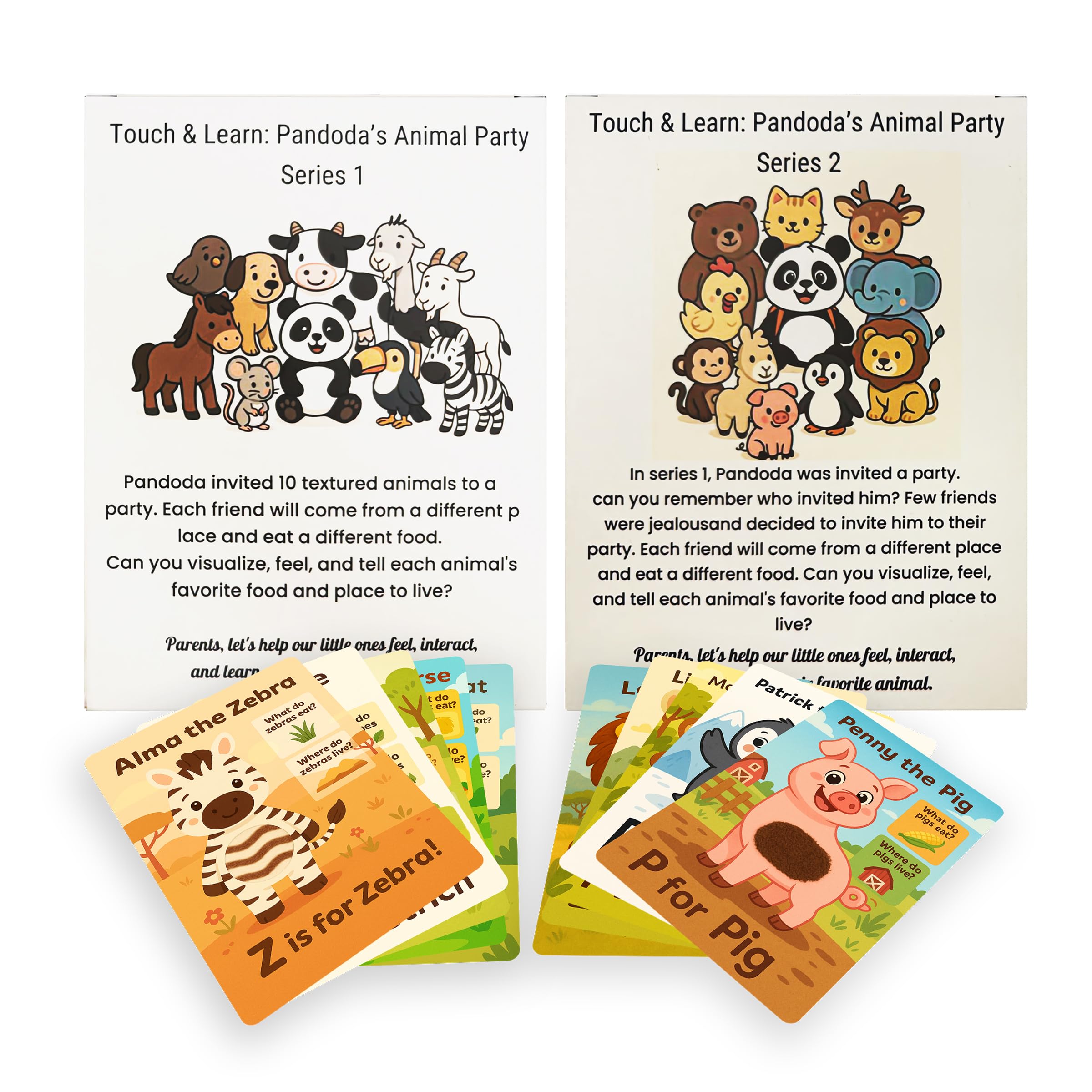
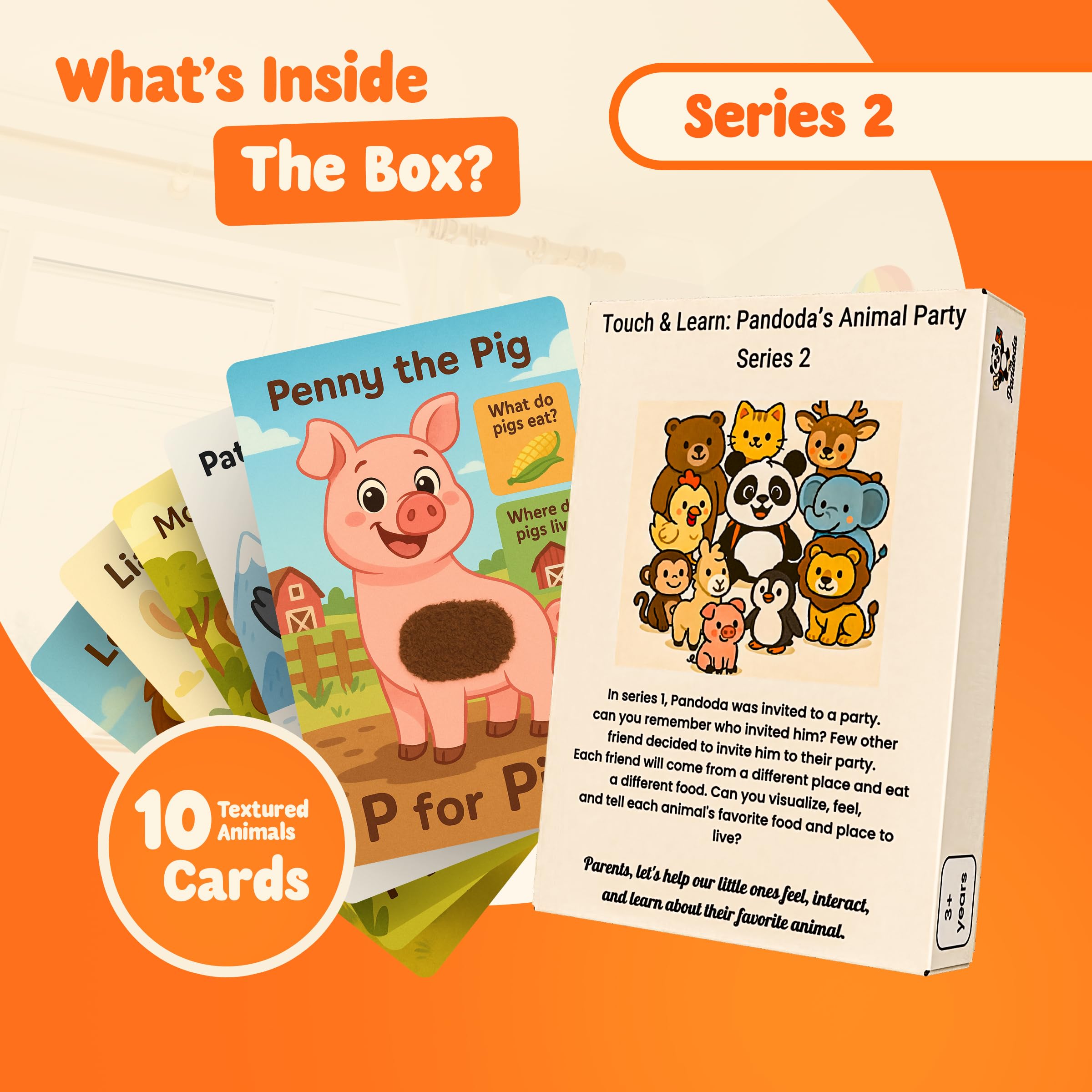
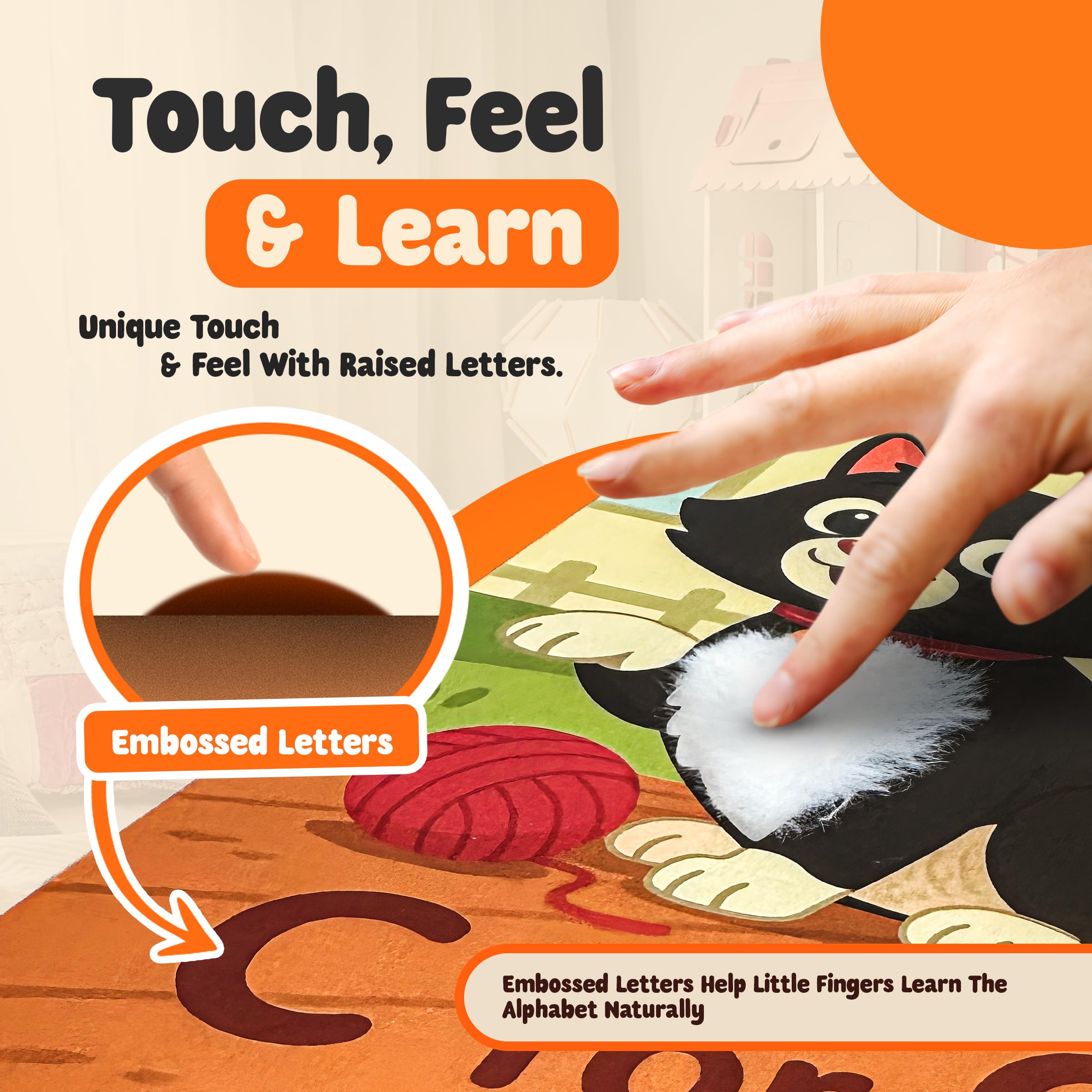
Touch & Feel Textured Animal Flashcards – Montessori Sensory Cards with Embossed Letters for Toddlers | Speech Development, Visual Learning, Travel and Autism-Friendly Play & Party Favors (Series 2)
- 📖 How to Use Cards, Parents Guide Each series's Box has a small story on the box to attract children attention
- ✨ Sensory, Touch-and-Feel Learning for Babies & Toddlers 10 large touch and feel flash cards designed with tex
- 🐼 Friendly Characters for Emotional Connection & Pretend Play Meet lovable characters like Roy the Panda & Ell
A simple daily routine
Try this for two weeks:
1. Morning: Narrate dressing and breakfast. Offer one choice. 2. Midday: Ten minutes of play on the floor, following your child's lead. Add one word to whatever they say or do. 3. Afternoon: Share a book. Point, name, pause. 4. Evening: Sing at bath time. Wait for them to fill in the last word of a familiar song. 5. Bedtime: Talk about the day in three simple sentences.
None of this takes extra time. It just changes how you use the time you already have.
6. When and How to Get Help for a Suspected Speech Delay
If your 2 year old has fewer than 50 words, no two word phrases, difficulty understanding you, or any loss of skills, ask for an evaluation now rather than waiting. In many places you do not need a referral to begin.
Step 1: Talk to your paediatrician or health visitor
Bring your word list, a note about hearing, ear infections, family history, and your specific worries. Ask directly: "Can you refer us for a speech and language evaluation and a hearing test?" In the UK, the health visitor's 2 to 2.5 year review is also a good moment to raise concerns, and NHS speech and language therapy services can often be contacted directly.
A note on screening. The US Preventive Services Task Force has said the evidence is not strong enough to recommend for or against routine speech and language screening in young children with no concerns. That does not apply to you if you are already worried. Parental concern is itself a good reason to evaluate.
Step 2: Use early intervention services
In the US, the Individuals with Disabilities Education Act (Part C) provides early intervention services for children from birth to age 3. You can typically contact your state's programme yourself, without a doctor's referral, and the evaluation is usually free or low cost. From age 3, the school district takes over.
Step 3: See a speech language pathologist
A speech language pathologist (called a speech and language therapist in the UK) will assess both understanding and speaking, look at how your child plays and communicates, and recommend next steps. For toddlers, therapy is usually play based, and a large part is coaching you to use the strategies from section 5 at home.
What to expect at the assessment
What to ask
- What are my child's strengths and gaps in understanding and speaking? - How often should therapy happen, and what should I do between sessions? - Do you recommend hearing or developmental assessments? - When should we recheck?
What about the R sound and other speech sounds?
Some sounds simply arrive later. Most children can say sounds like p, b, m, n, and d early, while others, such as r, l, s, and th, commonly develop in the preschool and early school years. So if your 2 year old cannot say "rabbit" properly, that is entirely expected, and not a sign of delay.
Structured articulation tools come into play later, if a child still has difficulty at school age. For example, Bjorem Speech R Sound Cue Cards are designed for children working on the /ɹ/ sound with a speech language pathologist, using visual and auditory cues for prevocalic R, vocalic R, and R clusters. They are not a 2 year old tool, and I mention them mainly so you know what the road can look like for older children.
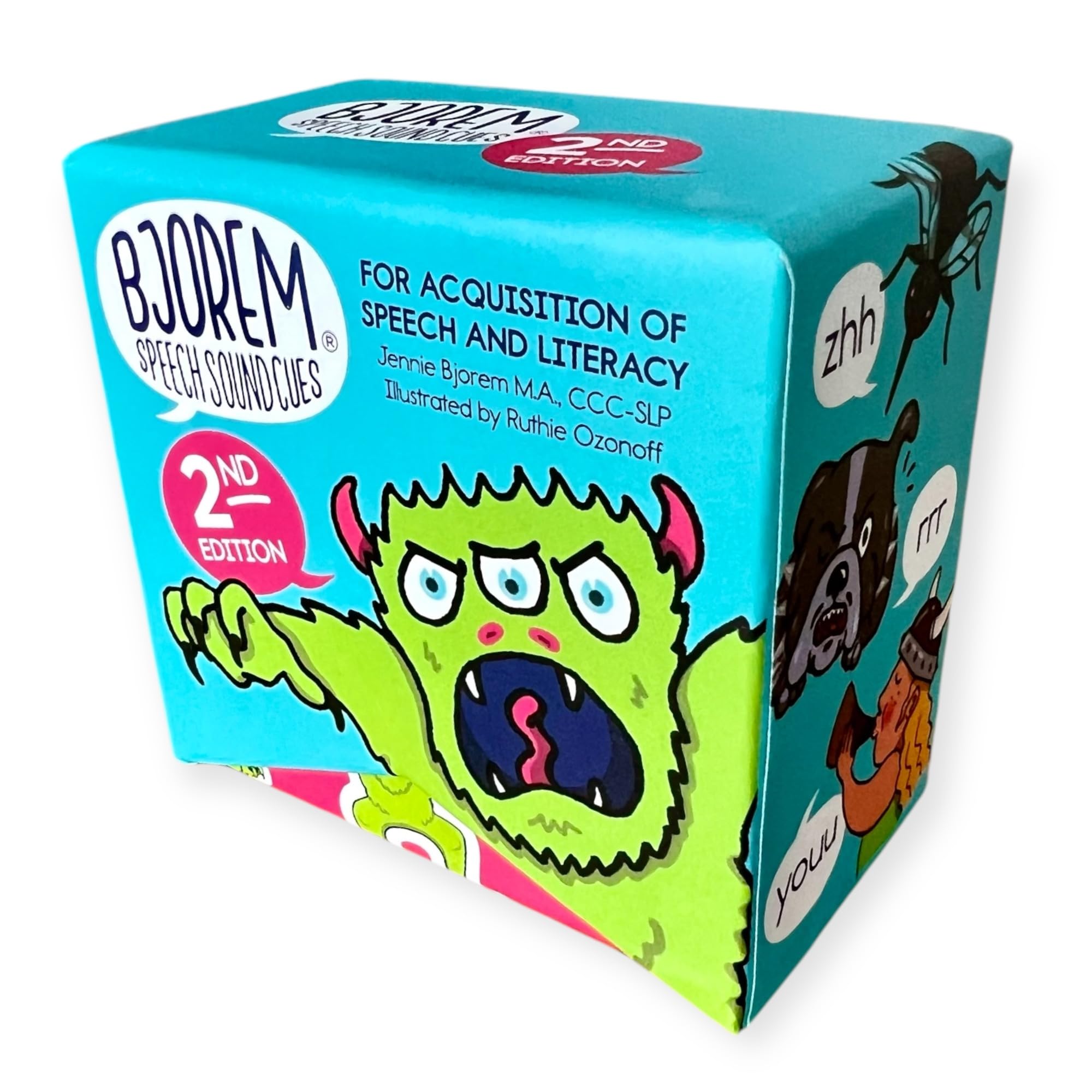

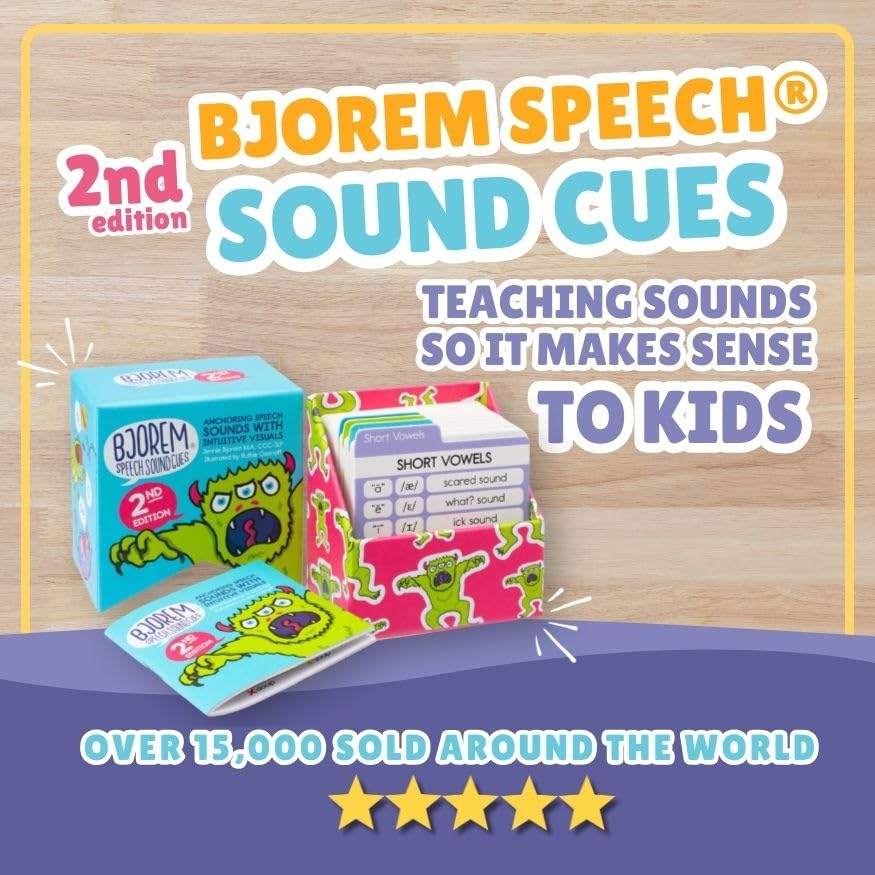
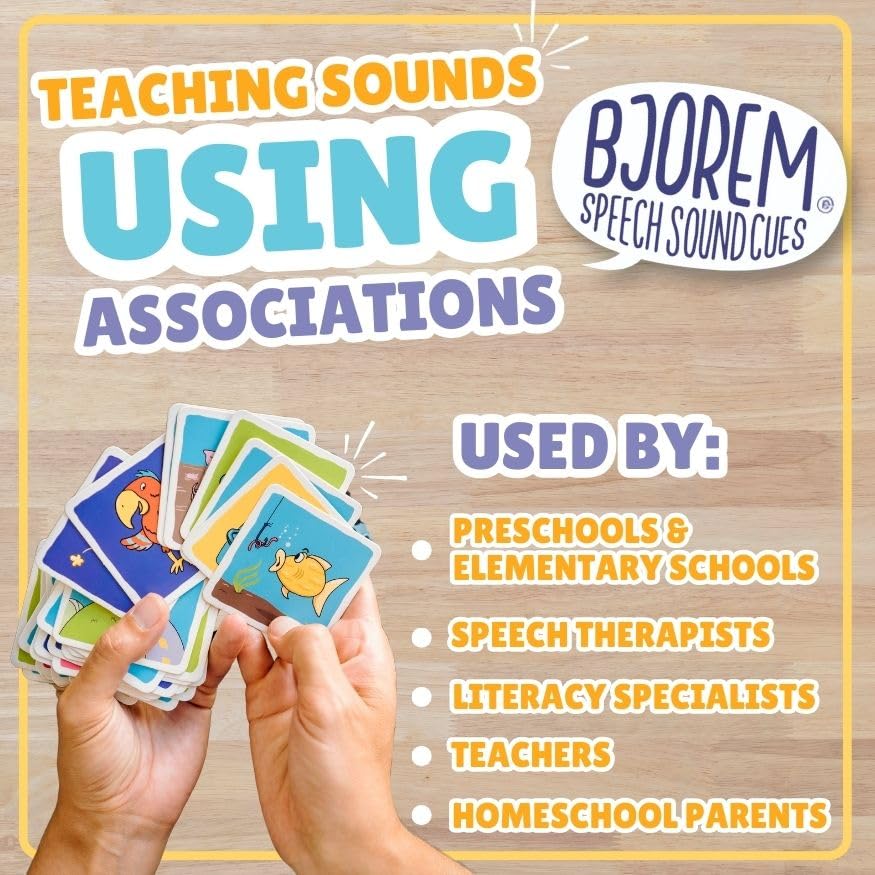
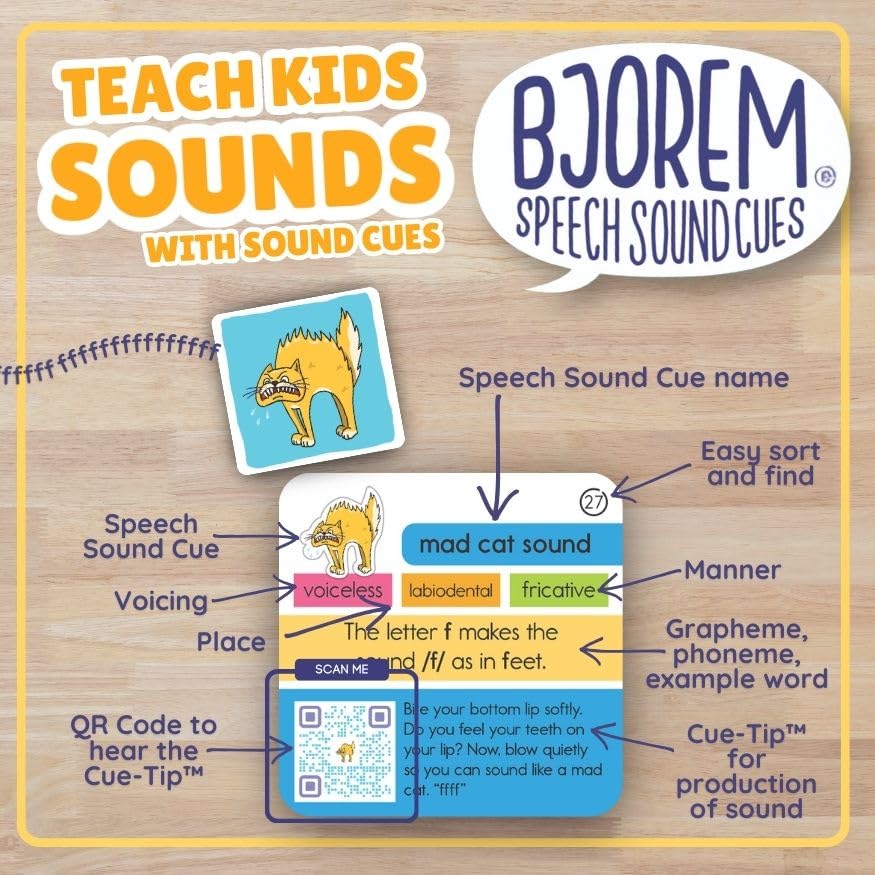
Bjorem Speech® Articulation Speech Therapy Cards for Kids - R Sound Cues
- R Sound Cue Cards: Created in collaboration with the R for R sound practice using visual and auditory cues. De
- Visual & Auditory Cues: Colorful, inclusive illustrations pair with sound cues to create visual associations f
- Prevocalic, Vocalic R & R Clusters: Includes cues for prevocalic R, vocalic R with two cue options for each vo
Comparing Your Options: Choosing Tools That Support Language
Not every child needs any of these, and none replaces professional help. But if you are wondering which kind of tool fits your child's age and stage, this table gives you an at a glance comparison.
| Option | Best Age Range | Primary Benefits | Main Drawbacks | Recommended Product | Price Range |
|---|---|---|---|---|---|
| First words picture cards (50 words) | Ages 1 to 3 | Focused list of everyday nouns, parent guide, vocabulary checklist | Limited range of words | ALSOLIFE Thick Baby Flash Cards, 50 First Words | $17 |
| Large picture card set (101 cards) | Ages 1 to 3 and beyond | Wide range of categories, games on the back, big sturdy cards | Can feel like a lot at first | LearnWorx 101 Baby Flash Cards | $29 |
| Deep vocabulary card set (150 cards) | Toddlers through kindergarten | Grows with your child, includes language games and bonus words | Higher price, more than a young toddler needs | ThinkPsych First Nouns Flash Cards | $40 |
| Textured touch and feel cards | Babies and toddlers | Sensory exploration, story characters, screen free | Only 10 cards | The Pandoda Touch and Feel Animal Flashcards | $13 |
| Talking flash card reader | Ages 1 to 4 | Sounds and words on demand, repeat button, lots of words | Recorded voice cannot respond to your child | Airbition Talking Flash Cards | $10 |
| Articulation cue cards | School age children working on the R sound | Visual and sound cues for a therapist guided programme | Not for toddlers, best used with a therapist | Bjorem Speech R Sound Cue Cards | $72 |
If you are buying only one thing for a 2 year old, I would pick a simple first words set and spend the rest of your budget on time: ten unhurried minutes a day is worth more than any box.
Expert Insights: Where the Major Organisations Agree
I want to be transparent here. Rather than pull short quotes out of context, I have summarised what the main professional bodies say, in my own words. You can read the originals in the sources list below.
On acting early. The CDC's "Learn the Signs. Act Early." programme, developed with the AAP, encourages parents to track milestones and to speak to a doctor if they are concerned, without waiting for the next routine visit. Its central message is that parents' observations matter, and that early action helps.
On identification and screening. The AAP recommends developmental surveillance at every well child visit, formal developmental screening at 9, 18, and 30 months, and autism specific screening at 18 and 24 months. If your child's visits have skipped these, ask for them.
On what therapy looks like for toddlers. The American Speech Language Hearing Association (ASHA) describes early language intervention as play based and family centred, with speech language pathologists coaching caregivers to build language during everyday routines. That matches what I see in clinic. The best outcomes usually come when parents feel confident and included.
A Last Word Before You Close This Page
If you have read this far, you are already doing the most important thing: paying attention. Your worry is not an overreaction, and asking for a check is not fussing. It is exactly what good parenting looks like.
Whatever the outcome, whether your toddler is a late bloomer who takes off next month or a child who needs some extra support, the steps are the same. Talk with them, wait for them, get their hearing checked, and ask for help early.
A child's first words are built from thousands of small, patient conversations, and you are already having them.
If this article helped, save it for your next appointment, share it with a partner or grandparent who keeps saying "he'll talk when he's ready", and come back to tinymindsworld.com for more.
Sources & References
- Centers for Disease Control and Prevention. "Learn the Signs. Act Early: CDC's Milestone Checklists (2022 revision)." https://www.cdc.gov/act-early/milestones/index.html
- American Academy of Pediatrics. "Language Delays in Toddlers: Information for Parents." HealthyChildren.org. https://www.healthychildren.org/English/ages-stages/toddler/Pages/Language-Delays-in-Toddlers.aspx
- National Institute on Deafness and Other Communication Disorders (NIDCD). "Quick Statistics About Voice, Speech, Language." https://www.nidcd.nih.gov/health/statistics/quick-statistics-voice-speech-language
- National Institute on Deafness and Other Communication Disorders. "Speech and Language Developmental Milestones." https://www.nidcd.nih.gov/health/speech-and-language
- American Speech Language Hearing Association. "Typical Speech and Language Development." https://www.asha.org/public/speech/development/
- Zubrick SR, Taylor CL, Rice ML, Slegers DW. "Late language emergence at 24 months: an epidemiological study of prevalence, predictors, and covariates." Journal of Speech, Language, and Hearing Research. 2007;50(6):1562 to 1592.
- Rescorla L. "Language and reading outcomes to age 9 in late talking toddlers." Journal of Speech, Language, and Hearing Research. 2002;45(2):360 to 371.
- Roberts MY, Kaiser AP. "The effectiveness of parent implemented language interventions: a meta analysis." American Journal of Speech Language Pathology. 2011;20(3):180 to 199.
- Hyman SL, Levy SE, Myers SM; AAP Council on Children with Disabilities. "Identification, Evaluation, and Management of Children With Autism Spectrum Disorder." Pediatrics. 2020;145(1):e20193447.
- World Health Organization. "Guidelines on physical activity, sedentary behaviour and sleep for children under 5 years of age." 2019. https://www.who.int/publications/i/item/9789241550536
- Christakis DA, Gilkerson J, Richards JA, et al. "Audible television and decreased adult words, infant vocalizations, and conversational turns." Archives of Pediatrics and Adolescent Medicine. 2009;163(6):554 to 558.
- Romeo RR, Leonard JA, Robinson ST, et al. "Beyond the 30 million word gap: children's conversational exposure is associated with language related brain function." Psychological Science. 2018;29(5):700 to 710.
- US Preventive Services Task Force. "Speech and Language Delay and Disorders in Children Age 5 Years or Younger: Screening." https://www.uspreventiveservicestaskforce.org/
- NHS. "Speech and language therapy." https://www.nhs.uk/conditions/speech-and-language-therapy/
Frequently Asked Questions
How many words should a 2 year old have?
Is it normal for a 2 year old not to talk much?
Should I worry if my toddler understands me but does not talk?
Can screen time cause speech delay?
Will speaking two languages delay my child's speech?
Do I need a referral to see a speech therapist?
Do flash cards and talking toys help with speech delay?
Was this helpful?
Thanks — your feedback helps us pick what to write next.