Anxious Kids and Screens: Why Sleep May Be the Bigger Clue
TL;DR: Quick summaryScreens matter a little, but sleep looks like the bigger clue. In one study, children's sleep problems were linked to more mental health problems even after screen time was accounted for. Anxiety also disrupts sleep, so it runs both ways. Protect sleep first,
In this article
TL;DR: Quick summary
Screens matter a little, but sleep looks like the bigger clue. In one study, children's sleep problems were linked to more mental health problems even after screen time was accounted for. Anxiety also disrupts sleep, so it runs both ways. Protect sleep first, then trim screens.
What you'll get
About 26 minutes to read. Short on time? Read the bold lines and the Key Takeaways near the end.
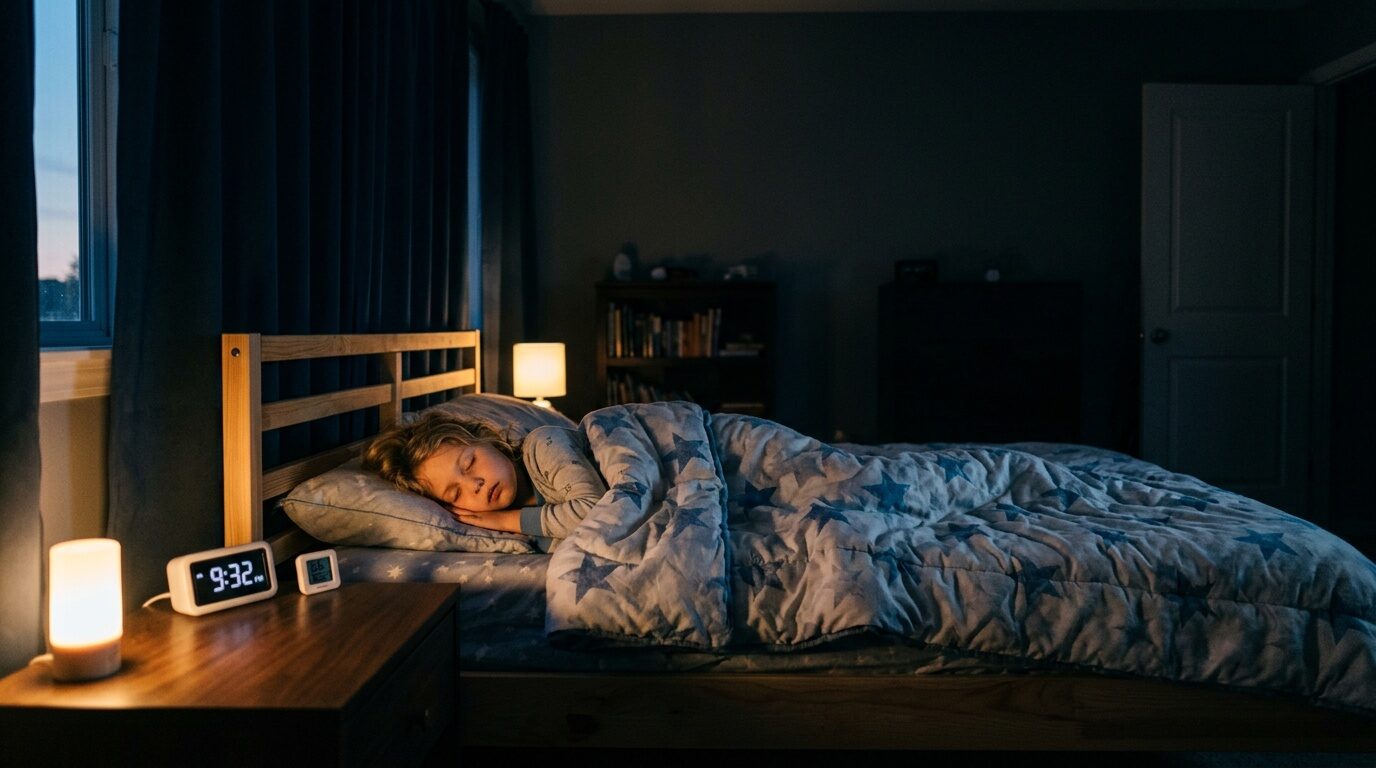
Picture a ten year old lying awake late on a school night. Her stomach hurts, and she keeps asking "what if" questions about tomorrow. The tablet went away an hour ago, yet you still feel the guilt, because everyone says screens are why children are so anxious now.
If that sounds like your house, this article is for you. It is written for parents and caregivers of children from babies to age 12, though most of the practical advice fits school age children best.
I'm not going to tell you screens are harmless. I'm going to show you what the research says, where the story gets too simple, and why sleep may be the piece we keep missing. By the end you will know what to watch for, what to say at bedtime, and when to pick up the phone to your child's doctor.
Is screen time really what makes kids anxious?
Screens are linked to anxiety, but the link is small, and it is only a link. Pooled research finds a small positive association, and how a child uses a device seems to matter more than the hours alone. Screens are part of the picture, not the whole picture.
Let's be fair to screens first. On average, children aged 8 to 18 in the United States spend about 7 1/2 hours a day watching or using screens. That is a huge slice of a child's waking life, so it makes sense that we look there first when worry shows up.
What the numbers actually show
A meta analysis (a study that pools the results of many other studies) looked at research from the COVID-19 pandemic. It found a small positive link between screen time and anxiety across 19 studies, and between screen time and depression across 22 studies. The word to hold onto is small.
How screens are measured changes the answer. When researchers measured problematic use (think of a child who cannot stop, or who falls apart when a device is taken away), the correlation with anxiety was 0.15 higher than when they simply counted hours. The hours on the clock tell you less than the way your child uses the device.
Other studies point the same way. A survey of children aged 8 to 17 found that screen time above about two hours a day went along with higher levels of anxiety and depression. A study of school children found that those with excess screen time had poorer academic performance and higher anxiety, along with a higher body mass index.
None of that is nothing. But every one of these findings is an association, which means two things travel together. It does not tell us which one pushes the other.
Why the screen story is too simple
Anxious children may reach for screens because they are anxious. The Child Mind Institute makes a related point: kids who are prone to anxiety may be more likely to seek out content that feeds rather than soothes their worries.
Kids who are prone to anxiety may be more likely to seek out content that feeds rather than soothes their worries.
Child Mind Institute
So the screen may be a symptom as much as a cause. A worried child scrolling late at night is not proof that the scrolling made the worry.
There is a second problem. Screen use is a handy marker for other things that affect mood, such as less outdoor play, less time with friends and later bedtimes. In one study, physical activity acted as a protective factor against the harmful effects of excess screen time.
Picture two eleven year olds who use devices for the same number of hours. One chats with friends, watches a baking show with a sibling, then goes to bed on time. The other scrolls alone until late, gets upset when the charger is taken away, and sleeps badly. Same hours, very different day.
If your child's school hands out devices, those hours are added to the total without your say. We have looked at why school devices may be hurting learning separately, and it is worth a read if that is part of your picture.
Common mistakes I see parents make:
What does the research say about sleep and anxiety?
One Australian study of 2,365 children found that sleep problems were linked to more mental health problems even after researchers accounted for socioeconomic status, physical activity and screen time. It is a snapshot, not proof of cause. Still, it moves sleep to the front of the line.
Let me unpack that, because the wording is easy to skim past. The study was cross sectional, which means it looked at children at one point in time rather than following them for years. That design can show that things go together. It cannot show which one came first.
What "accounting for" means
When researchers say they accounted for screen time, they mean they used statistics to compare children who spend similar amounts of time on screens. They did the same for family circumstances and physical activity.
Even then, the sleep problems were still linked to worse mental health. In plain English, a child's poor sleep was not just a stand in for too much screen time. It carried its own signal.
What the study does not tell us
Two honest limits are worth knowing. First, the study measured mental health problems in general with a standard questionnaire, not anxiety alone. Anxiety is one part of that bigger picture, so we should not stretch the finding too far.
Second, a single study is one piece of evidence. It fits with other research I'll share in a moment, but I would not call it the last word. What it does give you is a good reason to look at sleep before you rearrange the whole family's relationship with screens.
Why sleep might matter so much
You don't need a research paper to know what a bad night does to a child. A tired brain struggles to calm itself. Small things, like a forgotten spelling book or a friend who didn't wave, feel enormous.
Picture a seven year old who had a restless night. At breakfast he is teary about a spelling test he felt fine about yesterday. His parents might read that as rising anxiety, when part of it is a tired brain with less room to cope.
It is also true that an anxious child and a tired child can look almost identical. Both can be irritable, clingy, tearful or avoidant. That is exactly why it is worth checking sleep before assuming the worry is bigger than it is.
What this means for you:
Does anxiety cause poor sleep, or does poor sleep cause anxiety?
Both, most likely. Anxious children tend to wake later and get more uneven amounts of sleep, and poor sleep can make worries feel bigger the next day. It may be a loop, which is why working on either end of it may help ease both.
In one study of school aged children, greater parent reported anxiety was related to later wake times and more variable total sleep. In other words, the nights of anxious children were less steady.
The loop, step by step
Here is how the cycle often runs in real homes:
- Your child has a worry during the day, big or small.
- At bedtime the house goes quiet and the worry gets louder.
- Sleep starts late or breaks up, and your child wakes up tired.
- Tired brains cope less well, so the next day's worries feel bigger.
Notice that you can step in at any point. You do not have to solve the worry first to improve sleep, and you do not have to perfect sleep first to help the worry.
Co sleeping and anxious children
Here is something many parents quietly wonder about. A significantly greater proportion of anxious school aged children shared a bed with a parent, compared with children who were not anxious. The more severe the anxiety, the more often it happened.
If your child ends up in your bed on bad nights, you are not failing. It is a very common way for a worried child to feel safe. This section is about school aged children; for babies and toddlers, follow safe sleep advice from your doctor or health visitor.
Hidden signs of anxiety
Anxiety does not always look like worry. The Canadian Paediatric Society notes:
Parents may be unaware that behaviours such as picky eating, sleep problems, and substance use can be driven by anxiety.
cps.ca, Anxiety in children and youth: Part 1
So sleep trouble can be a front door to anxiety, not just a side effect of it. A child who says "I'm fine" but takes an hour to settle, or who suddenly refuses certain foods, may be telling you something with their body.
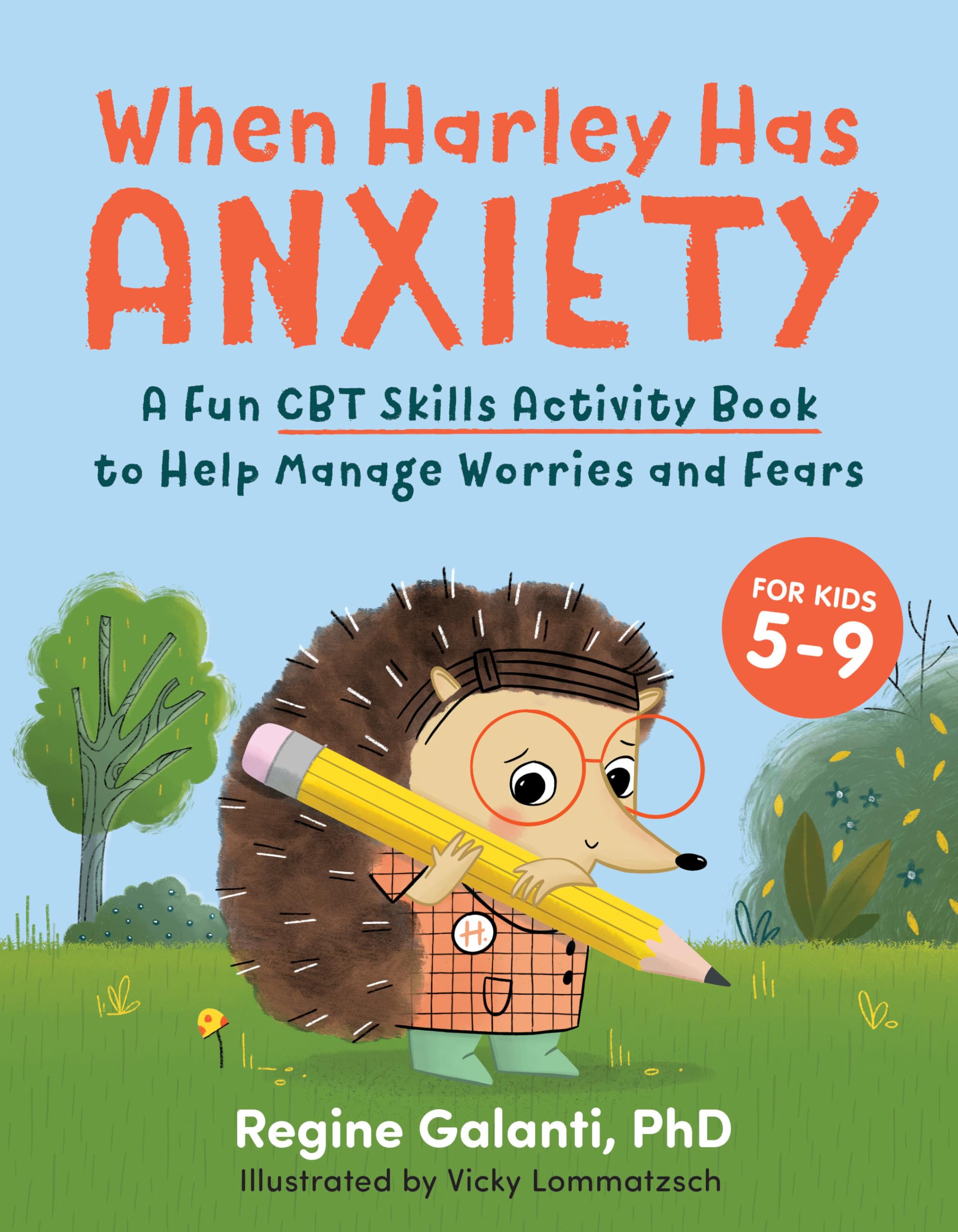

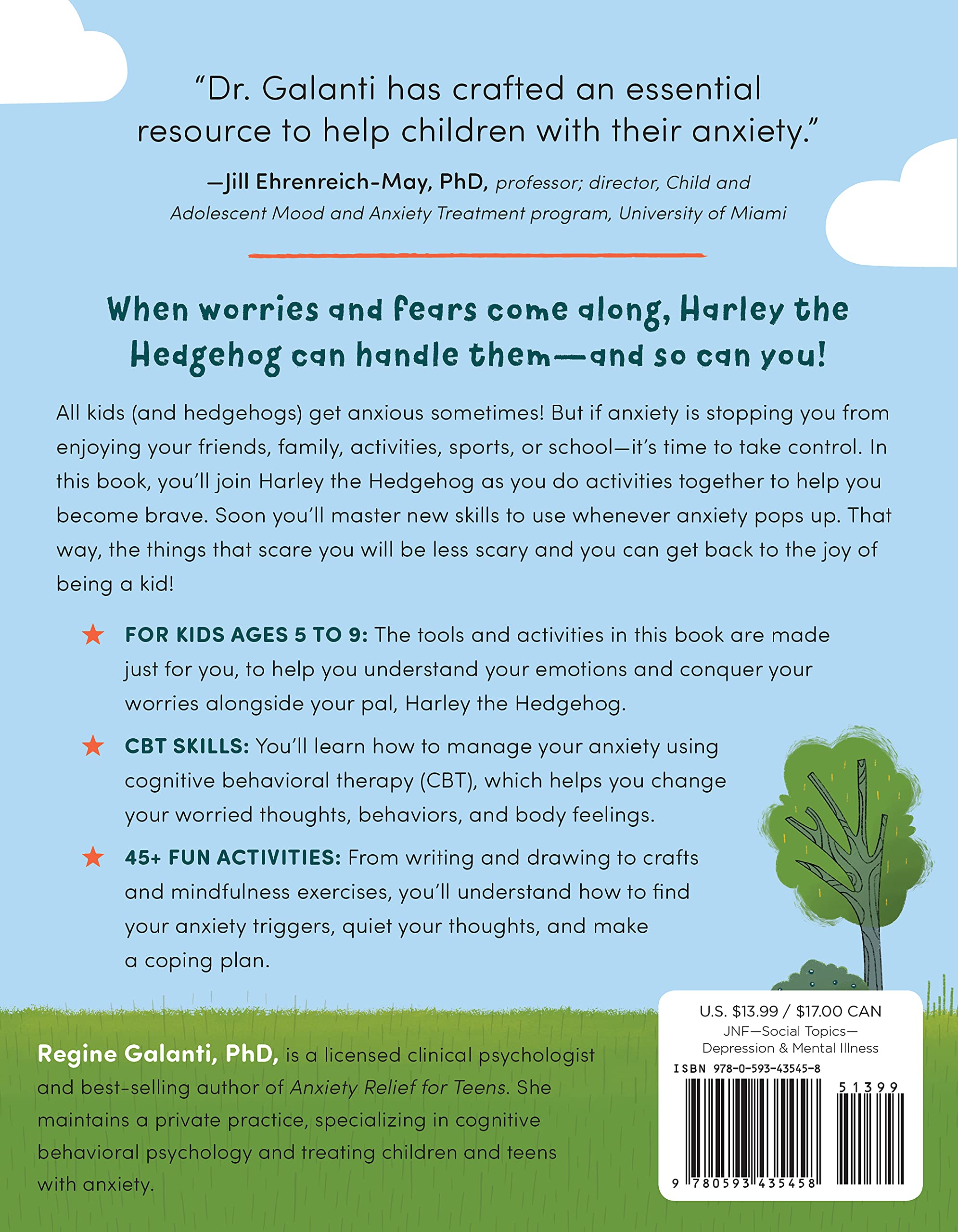

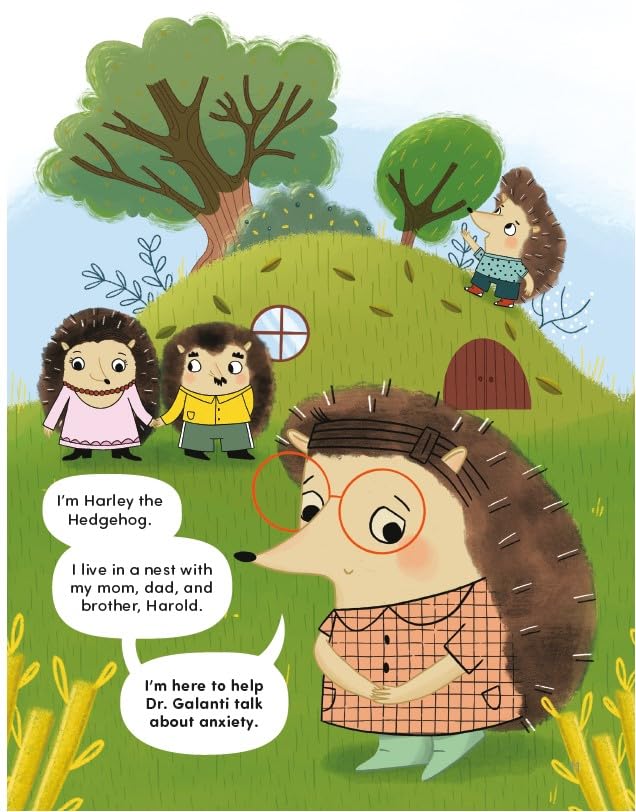
When Harley Has Anxiety: A Fun CBT Skills Activity Book to Help Manage Worries and Fears (For Kids 5-9)
- Medical Books
- Internal Medicine
- Psychiatry
If your child is a young school-aged reader, a story style activity book like When Harley Has Anxiety can help them understand worry in a friendly, low pressure way. Reading it together at an easy time of day, not at bedtime, keeps the focus on learning rather than on the fear.
What to say when your child is stuck in the loop:
What not to say:
The goal of your words at bedtime is simple: you want your child to feel understood, not argued with. Once a child feels heard, the worry may drop a notch. You can solve the problem in daylight, when everyone's brain works better.
How can I tell if sleep is part of my child's anxiety?
Look for patterns, not single bad nights. Late and uneven wake times, bedtime stalling, needing a parent close, and worries that grow after lights out can all point to a sleep and anxiety loop. A simple sleep diary kept over a couple of weeks can help make the pattern visible.
You do not need special equipment. You need a notebook, a pen and a little patience.
Keep a simple sleep diary
Here is what to write down each day:
- The time your child got into bed and the time they seemed to fall asleep.
- Any night wakings, and what happened (a call out, a trip to your bed, a bad dream).
- The wake time the next morning, and how hard it was to get up.
- Mood at breakfast and after school, in a single word.
- Anything unusual that day, like a test, an argument or a late screen session.
After a couple of weeks, look for the shape. Are wake times jumping around, with later mornings after rough nights? Greater anxiety is related to later wake times and more variable sleep duration, so uneven timing is a clue worth noticing.
Daytime signs that sleep and anxiety are linked
The daytime tells you a lot too. Look for:
None of these proves anything alone. Several together, over weeks, are what make a pattern.
What is normal, and what is not
Some bedtime worries are completely ordinary at certain ages. Knowing early school age milestones helps you tell a typical phase from something that deserves more attention. If you are unsure, ask your doctor or health visitor how much sleep suits your child's age, because the right amount changes as they grow.
The question that matters most is not "Is this a bit unusual?" but "Is this getting in the way of my child's life?" If bedtime takes a long time, mornings are a struggle, and the worry is spilling into school or friendships, then it deserves a closer look.


CBT Toolbox for Children and Adolescents: Over 200 Worksheets & Exercises for Trauma, ADHD, Autism, Anxiety, Depression & Conduct Disorders
- Medical Books
- Psychology
- Cognitive Behavioral Therapy
Some families like having a broad reference on hand. CBT Toolbox for Children and Adolescents is a large collection of worksheets and exercises that parents and clinicians can dip into, and it covers many concerns beyond anxiety. It is best used alongside a professional rather than as a stand alone solution.
Common mistakes when you track sleep:
When to take it to your doctor: if the pattern holds despite a steady routine, if your child is distressed most days, or if worry is keeping them from school or friends. Ask your doctor or health visitor what to do next, and bring your diary. It gives them a clearer picture than a vague description does.
Where do screens fit in, then?
Screens still matter, mostly through when, where and what your child watches. Keep devices out of the bedroom at night, switch off screens an hour before bed, and notice content that feeds worry. These steps protect sleep and cost nothing.
I don't want you to walk away thinking screens do not matter. They do. They just belong in a bigger picture with sleep, movement and mood.
The bedtime rules that count most
The American Academy of Pediatrics suggests avoiding screens for an hour before bed. It also says it can be hard to stop scrolling or watching short videos, especially on a phone, so keep phones and screens out of your child's bedroom at night.
These two rules are simple, free and easy to explain. They also protect your child's sleep, which the research links to mental health.
Guidelines by age
Here is what the main guidelines say. They are starting points rather than commandments.
Common Sense Media offers a useful reality check:
The reality is, there's no magic number that's just right for every child.
Common Sense Media
That is why the questions about when, where and what often matter more than a single number on a timer. If you want practical tools for putting limits in place without a daily battle, our guide to screen time limits that work is a good next read.
A bedtime screen plan you can say out loud
Children cooperate more when the rule has a reason they understand. Try something like:
"Screens are great, and we're not stopping them. But sleep is how your brain recharges, so devices sleep in the kitchen and we switch them off before our bedtime routine begins. It's the same rule for all of us."
Then follow through. Choose a charging spot outside bedrooms, make it the same spot every night, and put your own phone there too. Children often copy what we do as much as what we say.
If your child is aged 5 or older, you can negotiate the details together. They can choose the cut off time within a range you are happy with, or pick which show ends the evening. Children are more likely to stick to rules they helped to build.
Watch the content, not just the clock
A child prone to anxiety may seek content that feeds worry rather than soothing it. That might be scary videos, news clips, or endless "what if" searches. Calm content before bed, like a familiar comfort show earlier in the evening, is a better bet than anything exciting or frightening.


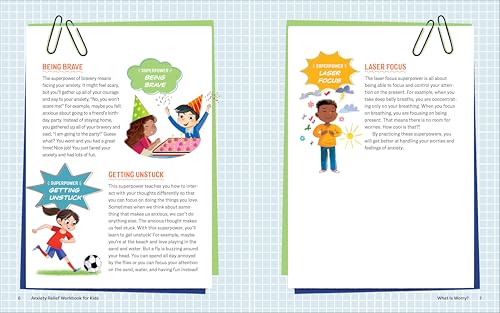

Anxiety Relief Workbook for Kids: 40 Mindfulness, CBT, and ACT Activities to Find Peace from Anxiety and Worry (Health and Wellness Workbooks for Kids)
- Children's Books
- Growing Up & Facts of Life
- Friendship, Social Skills & School Life
For children who use screens to calm down, it helps to have other calming tools in the toolbox. Anxiety Relief Workbook for Kids offers calming activities, which can give a child something to reach for besides a device.
Common mistakes:
What helps an anxious child sleep better?
A steady wake time, a predictable wind down, a set worry slot earlier in the evening, and daytime movement. None of these is dramatic. Together they can help calm bedtime anxiety and make sleep more regular. It is a practical plan you can start this week.
Because anxiety is linked to uneven sleep, steadiness is the theme. Your aim is not perfect sleep. Your aim is a rhythm your child can rely on.
A simple evening plan
- Hold a steady wake time. Wake your child at roughly the same time every day, including weekends. Big weekend lie ins can make Monday harder.
- Move during the day. Physical activity acted as a protective factor in the research on screens and anxiety, and it is good for children for many reasons.
- Hold worry time early. Set a short, fixed slot in the late afternoon or after dinner when your child can say or draw their worries. Then close the notebook.
- Switch off screens. An hour before bed is the suggested target.
- Wind down together. Choose a calm, repeatable routine: bath, pyjamas, a book, a few slow breaths, lights out.
- Use a short lights out script. Say the same few words each night so the end of the day feels safe and predictable.
Worry time, explained
Worry time sounds odd, but it may help because it gives worries a home. Children often bring their biggest thoughts to bed because that is the first quiet moment all day.
Sit with your child earlier in the evening and ask, "What's been on your mind?" Write each worry on a page or draw it. Then say, "Good, we've got those. They'll wait in the notebook until tomorrow." The notebook goes on a shelf, not by the bed.



CBT Workbook for Kids: 40+ Fun Exercises and Activities to Help Children Overcome Anxiety & Face Their Fears at Home, at School, and Out in the World (Health and Wellness Workbooks for Kids)
- Children's Books
- Growing Up & Facts of Life
- Friendship, Social Skills & School Life
Many parents find a workbook gives this routine some structure. CBT Workbook for Kids offers exercises and activities for children facing their fears, and there is also a CBT Workbook for Kids listing with 25 reviews with the same title. CBT (cognitive behavioural therapy) teaches children to notice a worried thought and test it. Doing the exercises in the afternoon, not at bedtime, keeps bedtime calm.
What to say at lights out
Keep it short, warm and repeatable. For example:
"It's sleep time. Your worries are in the notebook. I'm down the hall, and I'll check on you."
If your child calls out, keep your voice calm and low. Return them to bed with a brief reassurance, and avoid starting a long conversation. Long chats at night can signal that bedtime is for talking.
If your child comes into your bed
Many anxious children do this, and it is understandable. If you want to change it, do it gently and gradually. Sit by their bed for a few nights, then sit by the door, then in the hall. Each step is small enough that your child can manage it.
Praise the brave bits in the morning ("You stayed in your bed until the sun came up. That took courage."). Do not punish or shame a child for being scared.
Calming tools to practise by day
Slow breathing, squeezing and releasing muscles, and imagining a calm place all work better if they are practised when your child is relaxed. Try them at the kitchen table or on the sofa, not for the first time at midnight. The Self-Regulation Workbook for Kids offers strategies for handling anxiety, stress and strong emotions, which can help a child build a bank of options.
Common mistakes:
When should I get help, and what do I say to my child?
Get help when worry or poor sleep keeps going despite a steady routine, or when it interferes with school, friendships, eating or family life. Start with your family doctor or paediatrician. At home, stay calm, name the feeling, and make one small plan together.
Asking for help is not an admission that you have done something wrong. It is what attentive parents do. Anxiety is common in children, and your doctor can help you work out what support suits your child.
Signs it is time to talk to a professional
If school mornings have become a daily battle, school refusal is worth reading about, because the early signs can look a lot like what we have covered here.
If your child ever talks about wanting to hurt themselves, contact your doctor or local emergency services straight away. Do not wait for an appointment.
How to prepare for the appointment
Bring your sleep diary, a short list of daytime signs, and notes on screen use (when, where and what). Mention anything that changed recently, such as a move, a new school, a friendship problem, or illness in the family.
Ask your doctor what level of sleep is right for your child's age, whether they would like to check for other causes, and what support is available locally. Doctors can only help with what they can see, so the diary and notes make a real difference.
What to say to your child
How you talk about worry teaches your child how to feel about it. Aim for calm, warm and curious. A few starters:
What not to say
A short script for a hard bedtime
Child: "I can't sleep. What if something bad happens?"
You: "That sounds really scary. I can hear how big it feels. Let's take three slow breaths together, and then I'll tell you what we'll do about it tomorrow."
After the breaths: "Your brain is doing its job of keeping you safe, and it's a little too loud tonight. We'll turn it down together. I'm here."
It is brief, kind and does not argue with the fear. Tomorrow, in daylight, you can look at the worry together and make a plan.
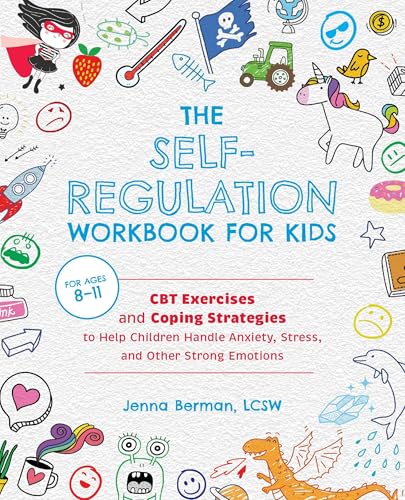
The Self-Regulation Workbook for Kids: CBT Exercises and Coping Strategies to Help Children Handle Anxiety, Stress, and Other Strong Emotions
- Children's Books
- Growing Up & Facts of Life
- Friendship, Social Skills & School Life
If you want shared language for talking about big feelings, a workbook can give you both the words and the activities. The Self-Regulation Workbook for Kids is one option, and working through it together during the day turns "your worry" into "our project".
After the appointment
Ask your doctor what comes next and what to watch for. Keep your routines steady, keep the diary for a while, and tell your child's school if the worry affects their day. Teachers can often help in small ways, like a calm check in at drop off or a quiet place to go if feelings get big.
Which workbook or tool fits which child?
Workbooks are not a replacement for sleep routines or professional support. They are a way to give worry a shape and a plan during the day, which can make bedtime easier. Here is how the options compare.
| Option | Best Age Range | Primary Benefits | Main Drawbacks | Recommended Product | Price Range |
|---|---|---|---|---|---|
| Starter CBT activities for everyday worries | Roughly ages 6 to 12 | More than 40 short exercises children can try at home or school | Most children need a parent alongside | CBT Workbook for Kids | $8.24 |
| Skills for big feelings and calming down | Roughly ages 7 to 12 | Coping strategies for anxiety, stress and strong emotions | Works best with regular practice | The Self-Regulation Workbook for Kids | $17.95 |
| Story style activity book for younger children | About ages 5 to 9 | Friendly, approachable way to talk about worries and fears | Less suited to older children | When Harley Has Anxiety | $13.97 |
| Mindfulness plus CBT and ACT activities | Roughly ages 6 to 12 | Calming practices that can slot into a bedtime wind down | Mindfulness takes patience to build | Anxiety Relief Workbook for Kids | $16.18 |
| Broad toolbox for parents and clinicians | Children and teens | Over 200 worksheets across many concerns, not only anxiety | Large; best used with professional guidance | CBT Toolbox for Children and Adolescents | $20.42 |
Key Takeaways
- Screens have a small link with anxiety, and how a child uses a device seems to matter more than the hours.
- In one study, sleep problems stayed linked to mental health problems after screen time was accounted for, so sleep deserves attention first.
- Anxiety and poor sleep run in a loop, and you can interrupt it at either end.
- Sleep trouble, picky eating and stomach aches can all be signs of anxiety, not just bad habits.
- Keep phones and screens out of the bedroom at night and switch them off an hour before bed.
- A steady wake time, a calm wind down, an early worry slot and daytime movement are your best first steps.
- Keep a simple sleep diary and take it to your doctor if the pattern lasts or affects school and daily life.
The next time your child is wide awake and worried, remember that you are not looking at a screen problem or a parenting failure. You are looking at a tired, anxious child who needs a calm place to land. Better sleep can make everything else feel a little lighter.
Anxious children don't need a perfect bedtime; they need a steady one, and a parent who stays calm beside them. If this helped, save it for the next hard night, and share it with a friend who is lying awake worrying too.
Sources & References
- NIH (National Library of Medicine). "Screen Time and Child Behavioral Disorders During COVID-19 Pandemic: A Systematic Review - PMC."
- NIH (National Library of Medicine). "Co-Sleeping among School-Aged Anxious and Non-Anxious Children: Associations with Sleep Variability and Timing - PMC."
- cps.ca. "Anxiety in children and youth: Part 1 - Diagnosis."
- NIH (National Library of Medicine). "Screen time exposure and academic performance, anxiety, and behavioral problems among school children - PMC."
- NIH (National Library of Medicine). "Survey Showed That Limiting Daily Screen Time Could Help to Avoid Mental Health Issues in Children Aged 8 to 17 Years - PMC."
- NIH (National Library of Medicine). "Screen Time, Child Depression, and Anxiety During the COVID-19 Pandemic: Systematic Review and Meta-Analysis - PMC."
- NIH (National Library of Medicine). "Screen Time, Child Depression, and Anxiety During the COVID-19 Pandemic: Systematic Review and Meta-Analysis - PubMed."
- leader.pubs.asha.org. "Guiding Families on Screen-Time Recommendations Using Evidence."
- aacap.org. "Screen Time and Children."
- American Psychological Association. "What do we really know about kids and screens?"
- American Academy of Pediatrics. "Screen Time Affecting Sleep."
- Common Sense Media. "How Much Screen Time Is OK for My Kids?"
- childmind.org. "Screen Time and Summer - Child Mind Institute."
Frequently Asked Questions
Is screen time bad for anxious kids?
Should I take screens away if my child is anxious?
Is it okay if my anxious child sleeps in our room?
How much screen time is okay by age?
How do I know it is anxiety and not just tiredness?
Does exercise help anxious children?
Was this helpful?
Thanks — your feedback helps us pick what to write next.