Healing Through Parenting: Your Postpartum Depression Recovery Guide
Postpartum depression is a treatable medical condition, and the act of parenting itself, when supported by the right tools and community, can become a genuine part of your recovery.

In this article
There is a moment many new mothers describe with striking similarity: you are holding your baby, the room is quiet, and instead of the rush of joy everyone promised you, there is a hollow, frightening nothing. Or worse, a wave of dread. According to the World Health Organization, postpartum depression affects approximately 10 to 15 percent of mothers in high income countries and up to 20 percent globally, making it the single most common medical complication of childbirth. Yet for every mother who speaks about it, several more sit in silence, convinced they are uniquely broken.
This article is for those mothers, and for the partners, family members, and caregivers who love them.
By the time you finish reading, you will understand:
1. What Postpartum Depression Actually Is (and What It Is Not)
Postpartum depression is a mood disorder, not a character flaw, and understanding the difference matters more than almost anything else in early recovery.
The baby blues are real too. In the first week or two after birth, up to 80 percent of new mothers experience tearfulness, mood swings, and exhaustion. That is hormones doing exactly what hormones do after a seismic shift in estrogen and progesterone. Baby blues resolve on their own within about two weeks, usually without any treatment beyond rest and support.
Postpartum depression is different. It lasts longer, sits heavier, and often gets worse without help. The American College of Obstetricians and Gynecologists (ACOG) defines it as a major depressive episode with onset in the perinatal period, meaning it can begin during pregnancy or any time in the first year after birth. It is not caused by weakness, by not wanting your baby enough, or by doing something wrong.
What PPD Actually Feels Like
Parents often describe PPD symptoms in ways that surprised them, because they expected to feel "sad." Instead, many report:
- Rage and irritability that feels completely out of proportion - Numbness or emotional flatness rather than sadness - Intrusive, scary thoughts about harm coming to the baby (more on this below) - Difficulty bonding, feeding, or completing basic care tasks - Physical symptoms including headaches, appetite changes, and exhaustion beyond normal newborn tiredness - Anxiety so intense it looks like a physical illness
PPD vs. Postpartum Anxiety vs. Postpartum Psychosis
These three conditions are related but distinct. Postpartum anxiety, which is arguably as common as PPD, presents primarily as relentless worry, physical tension, and an inability to rest even when the baby sleeps. Postpartum psychosis is rare (roughly 1 to 2 in 1000 births) but a genuine psychiatric emergency involving hallucinations, delusions, and rapidly shifting mental states. If you or someone you love shows signs of postpartum psychosis, go to an emergency department immediately.
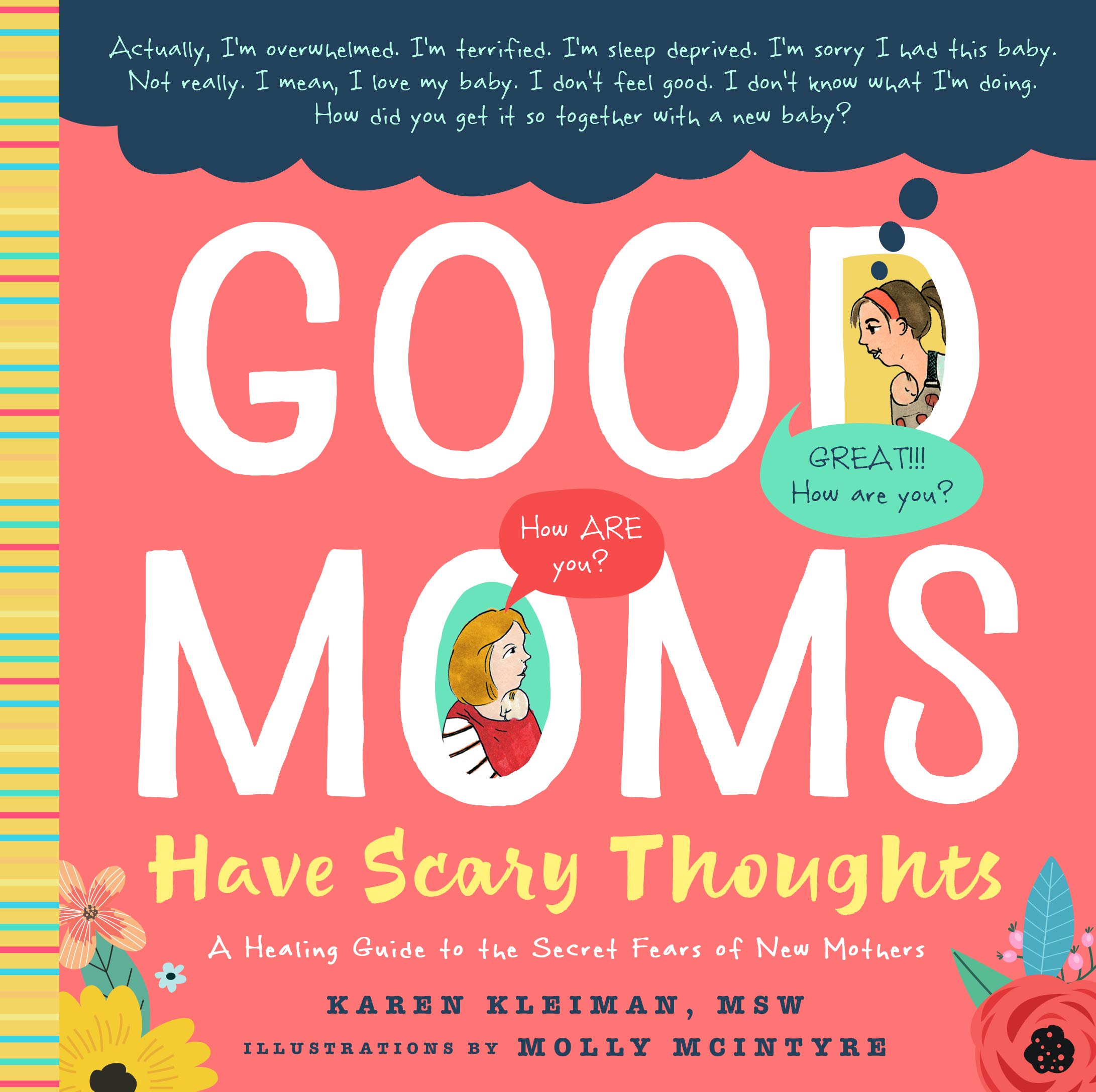

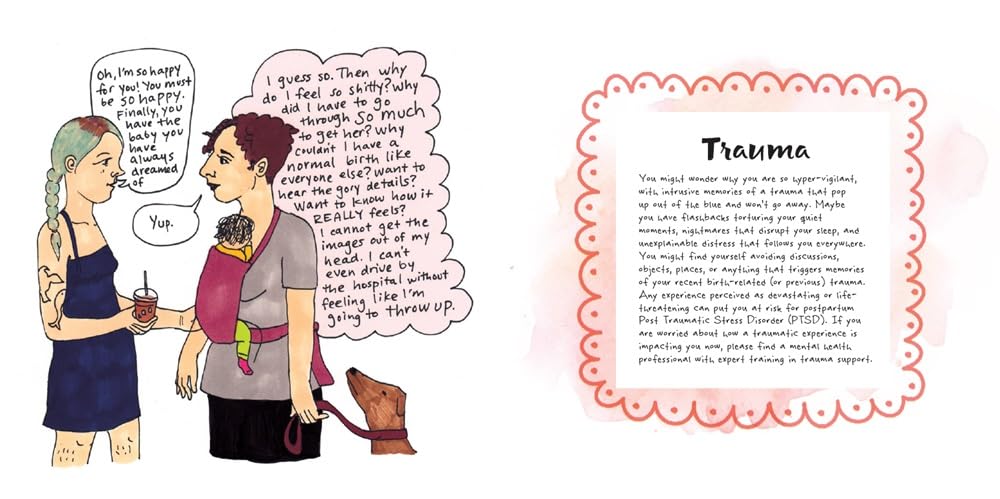
Good Moms Have Scary Thoughts: A Healing Guide to the Secret Fears of New Mothers
- Health, Fitness & Dieting
- Mental Health
- Image Unavailable Image not available forColor:
2. How Parenting Itself Becomes Part of Recovery
This is the counterintuitive piece that surprises most mothers: careful, supported parenting is not just something you have to get through while you recover. It is a mechanism of recovery in its own right.
Here is the biology behind that claim. Every time you respond to your baby's cry, every skin to skin moment, and every eye contact exchange triggers a release of oxytocin in both of you. Oxytocin, sometimes called the bonding hormone, has a measurable antidepressant effect. A 2014 study published in the journal Psychoneuroendocrinology found that higher oxytocin levels in the early postpartum period were associated with lower rates of depressive symptoms at six weeks postpartum.
This does not mean that "just cuddle your baby more" is a treatment plan. It is not. But it does mean that the moments when you show up for your child, even imperfectly, even while you feel numb or hollow, are doing biological work inside your brain.
The Attachment Loop
Secure attachment does not require a mother who feels blissful. Research led by developmental psychologist Edward Tronick showed, through the famous "still face experiment," that repair matters more than perfection. Babies are wired to handle moments of disconnection as long as reconnection follows. Your baby does not need you to be happy. Your baby needs you to keep coming back.
Babies do not need perfect parents. They need parents who repair.
— Edward Tronick, PhD, University of Massachusetts Boston, cited in multiple developmental psychology reviews
That idea, repair over perfection, is something I tell every mother who walks into my clinic convinced she has already damaged her child by struggling.
Practical Parenting Acts That Support Recovery
You do not need to overhaul your whole life. Small, consistent, manageable acts of connection build both your bond and your brain chemistry:
If you are in those early weeks and wondering how your body is supposed to support your baby when it is still healing from birth, the truth is that your postpartum body needs more than rest to recover well. Physical and emotional healing are not separate tracks.
3. The Role of Community and Peer Support in PPD Recovery
Isolation is both a symptom and a driver of postpartum depression. Breaking that cycle is not a matter of willpower; it requires deliberate structure.
The evidence for peer support in PPD is strong and growing. A systematic review published in the journal BMC Pregnancy and Childbirth (Dennis, 2014) found that telephone based peer support, where mothers who had recovered from PPD were paired with mothers currently experiencing it, significantly reduced depressive symptoms at 12 weeks postpartum compared with usual care. The effect was not minor. Mothers in the peer support group were 50 percent less likely to meet the criteria for PPD at three months.
Real world peer support, whether through a mums group at your local children's centre, an NHS or community based postnatal support group, or an online community, offers something that no book or app can fully replicate: the felt sense that another person has been exactly where you are and is now okay.
What Makes Peer Support Work
Not every group is equally helpful. The most effective peer support tends to share these features:
Reaching Out When It Feels Impossible
One of the cruelest features of postpartum depression is that it makes reaching out feel either pointless or terrifying. If that is where you are right now, start with one text to one person. You do not have to explain everything. "I'm having a hard time. Can we talk?" is enough.
Postpartum Support International helpline: 1-800-944-4773 (US) PANDAS Foundation helpline (UK): 0808 1961 776
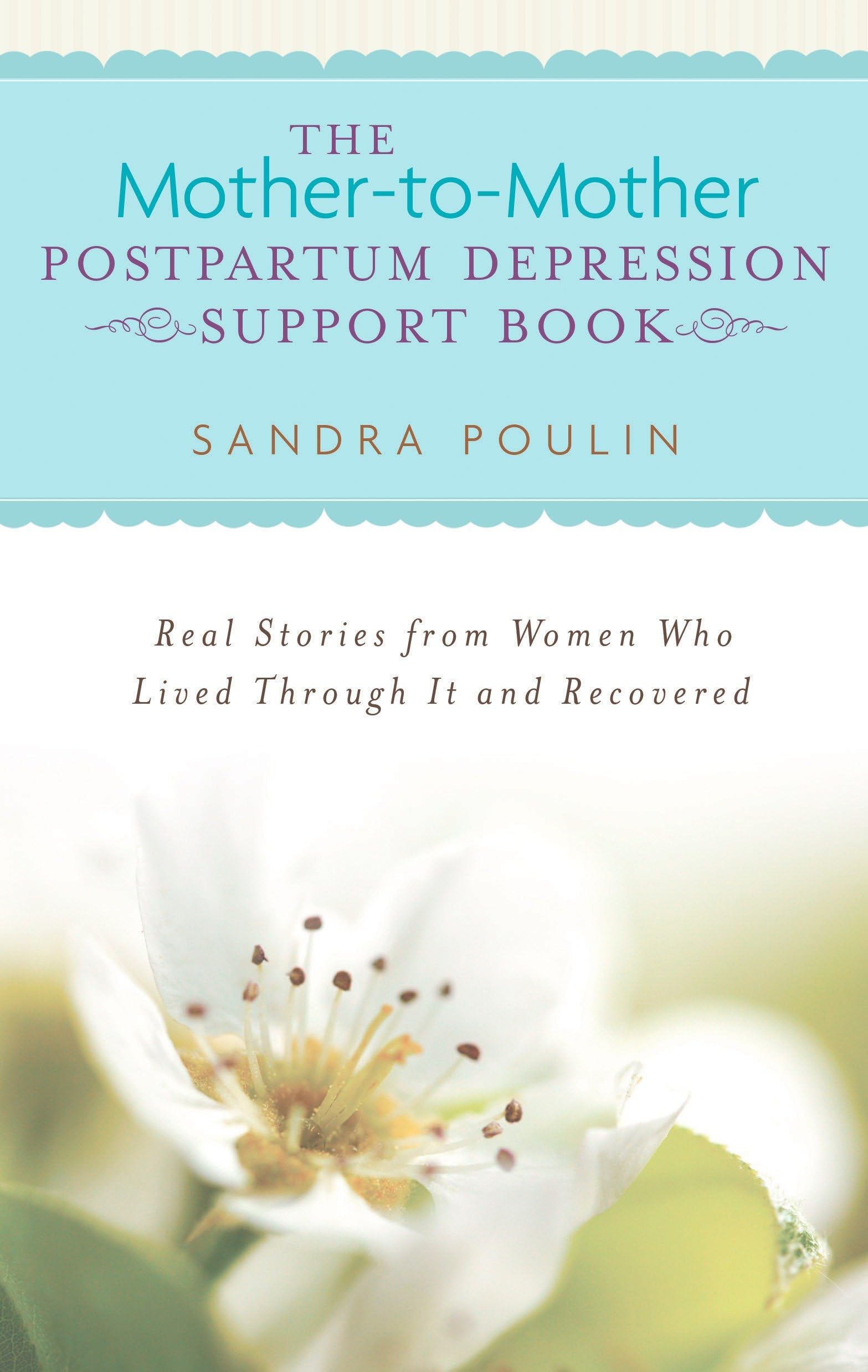
The Mother-to-Mother Postpartum Depression Support Book: Real Stories from Women Who Lived Through It and Recovered
- Health, Fitness & Dieting
- Mental Health
- Depression
4. Therapy, Medication, and What the Evidence Actually Says
The two most evidence supported treatments for postpartum depression are talking therapy (particularly Cognitive Behavioural Therapy, or CBT) and antidepressant medication, used alone or in combination. The best option for you depends on the severity of your symptoms, whether you are breastfeeding, and your own preferences.
Cognitive Behavioural Therapy for PPD
CBT helps you identify the thought patterns that are making your depression worse, challenge them, and gradually build behaviours that support your mood. In the context of postpartum depression, CBT often focuses on:
- Challenging beliefs like "I'm a terrible mother" or "My baby would be better off without me" - Behavioural activation (doing small things that used to give you pleasure even when you do not feel like it) - Sleep and self care planning within the impossible constraints of newborn life - Managing intrusive thoughts without reacting to them as though they are facts
A Cochrane review (Morrell et al., 2016) found that health visitor delivered CBT significantly reduced PPD symptoms at six months and one year, meaning you do not always need a clinical psychologist. Some primary care settings now offer trained practitioners who can deliver structured psychosocial support in your home.
Medication: Safety, Breastfeeding, and Starting the Conversation
Sertraline and paroxetine have the largest safety evidence base for use during breastfeeding and are generally the first medications considered for PPD. The levels found in breast milk are low, and no adverse effects in infants have been identified in well designed studies, according to guidance from the Royal College of Psychiatrists and the Lactmed database maintained by the US National Library of Medicine.
If your GP is hesitant to prescribe for a breastfeeding mother, ask for a referral to a perinatal psychiatrist. You deserve a provider who knows this evidence base.
Untreated postpartum depression poses a greater risk to the nursing infant than the trace amounts of antidepressants found in breast milk.
— Royal College of Psychiatrists, Postpartum Depression Information Leaflet (2021)
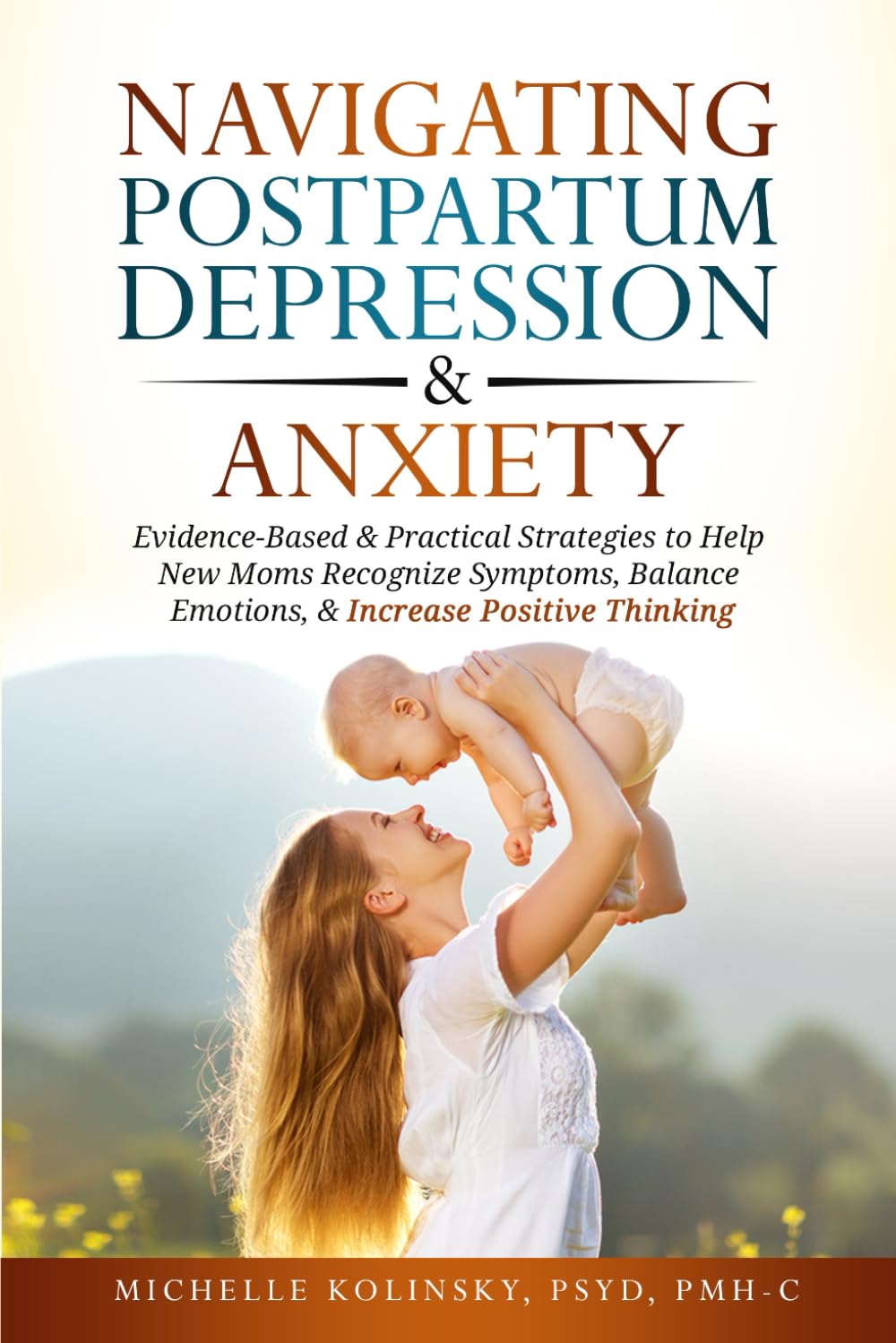
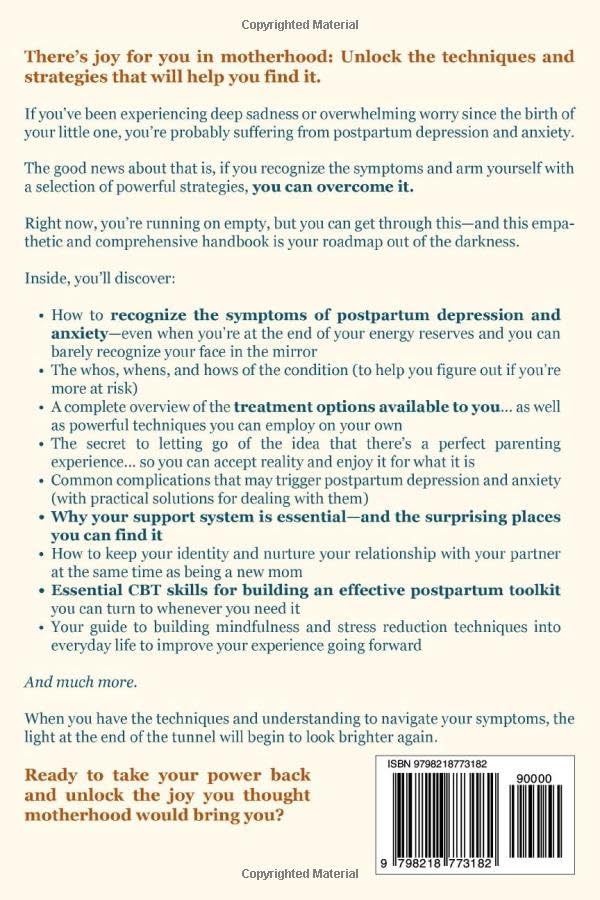
Navigating Postpartum Depression & Anxiety: Evidence-Based & Practical Strategies to Help New Moms Recognize Symptoms, Balance Emotions, & Increase Positive Thinking
- Health, Fitness & Dieting
- Mental Health
- Depression
5. Books That Genuinely Help (and How to Use Them)
Self help books are not a substitute for clinical care, but the right one at the right moment can reduce shame, provide a framework, and make the space between therapy sessions feel more manageable. Here is an honest look at the most useful options available right now.
Books for Understanding What Is Happening to You
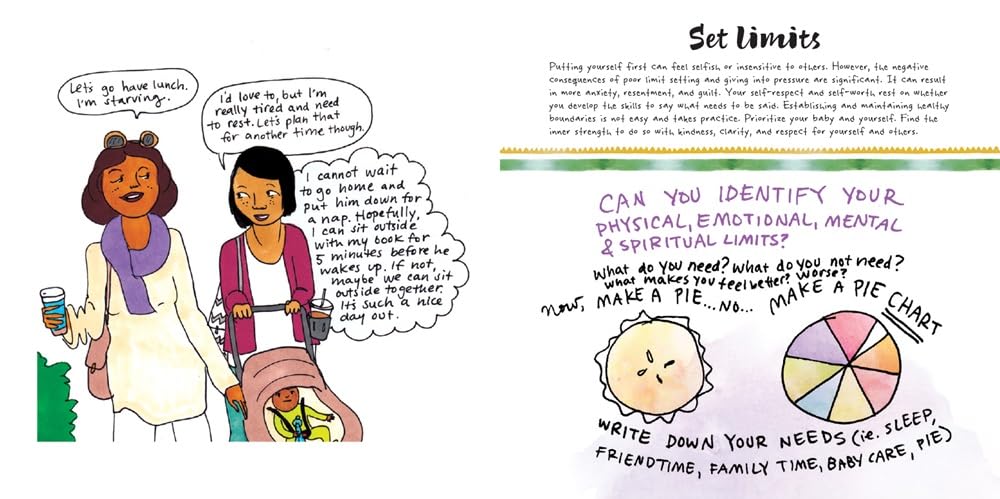
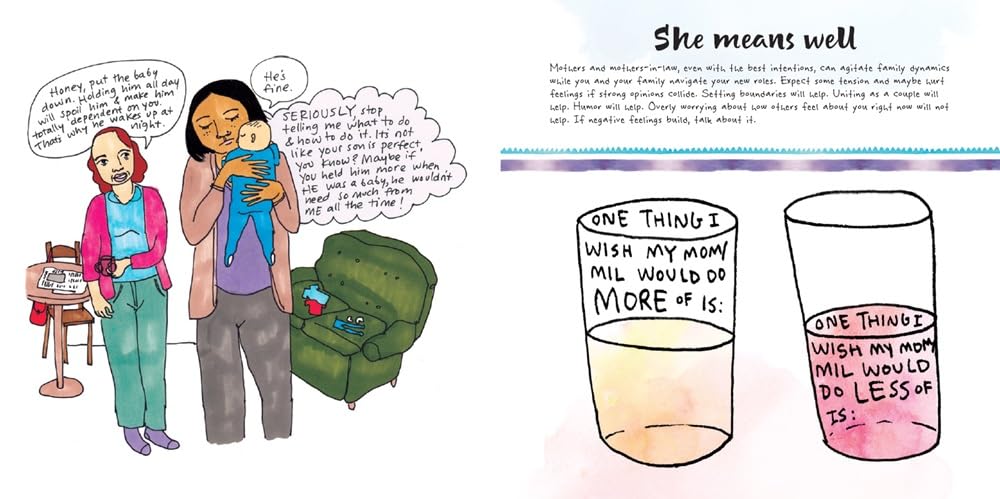
Good Moms Have Scary Thoughts by Karen Kleiman is, in my clinical opinion, the most immediately useful book for a mother who is terrified by her own intrusive thoughts. Kleiman is a therapist and founder of The Postpartum Stress Center. The book is short, visual, and designed to be read in fragments during nap times. It normalises the scary thoughts that most mothers never say out loud and gives practical CBT informed tools for managing them. Rated 4.8 stars across nearly 2200 reviews, this one earns its reputation.
For a more structured, workbook style approach, Postpartum Depression and Anxiety: A Self-Help Guide for Mothers offers a methodical way through symptoms and coping strategies. It is grounded in CBT principles and is practical without being clinical in tone. A good choice if you are waiting for a therapy appointment and want something to do in the meantime.
Navigating Postpartum Depression and Anxiety takes a particularly balanced approach to both the emotional and physical aspects of recovery. It is newer, highly rated (4.9 stars), and notably accessible for mothers who have no prior mental health vocabulary.
Books for Feeling Less Alone
The Mother to Mother Postpartum Depression Support Book does something therapy and self help guides cannot fully replicate: it lets you sit with real women who have been through exactly what you are going through and came out the other side. Real stories, real recoveries. If the clinical frameworks feel cold right now, start here.
Not Your Mother's Postpartum Book sits in the space between memoir and practical guide. It is frank, funny in places, and refreshingly non sanitised about what new motherhood with a mental health struggle actually looks like. Good for mothers who find traditional self help books patronising or performatively positive.
For physical recovery alongside the emotional, Post Partum Recovery Bible covers both dimensions in a way that few single resources manage. Worth having alongside a more PPD specific resource if you are also navigating the physical challenges of early postpartum.

Not Your Mother’s Postpartum Book: Normalizing Post-Baby Mental Health Struggles, Navigating #MOMLife, and Finding Strength Amid the Chaos
- Parenting & Relationships
- Family Relationships
- Motherhood
6. Building a Recovery Plan That Works With a Newborn in the House
Recovery from postpartum depression does not happen in a therapist's chair. It happens in the ordinary minutes of your day, which means your plan has to work around a baby who does not care about your schedule.
The framework I recommend to families in clinic is simple enough to hold in your head when you are running on three hours of sleep:
Sleep, Support, Structure, and Self Compassion.
Sleep
There is no mood disorder that improves on chronic sleep deprivation. This is not within your control to fix entirely when you have a newborn, but there are targeted steps:
Support
Map your support network onto paper, literally. Who can bring food? Who can sit with the baby for two hours while you sleep or shower? Who can drive you to appointments? People want to help and rarely know how. Giving them a specific task removes the burden of asking.
Structure
Postpartum depression flattens motivation and makes days feel shapeless. A very light structure, not a rigid schedule, gives your nervous system anchors. Three to four fixed points in the day (morning feed routine, a short walk outside, afternoon rest, evening partner handover) are enough.
Mothers with postpartum depression who maintained even a minimal daily routine showed significantly faster recovery trajectories than those with no structure at all.
— Dennis & Hodnett, Cochrane Database of Systematic Reviews (2007)
Self Compassion
This is not a buzzword. Dr Kristin Neff at the University of Texas has done extensive research showing that self compassion, treating yourself with the same kindness you would show a friend, is strongly associated with lower rates of depression and anxiety. The practice is simple in description: when you notice a harsh self critical thought, pause and ask "What would I say to a good friend who told me this?" Then say that to yourself instead.
If you are navigating this alongside the weight of postnatal depression, know that real recovery from that darkness is possible, and that many mothers who felt exactly as lost as you do right now are parenting with joy today.
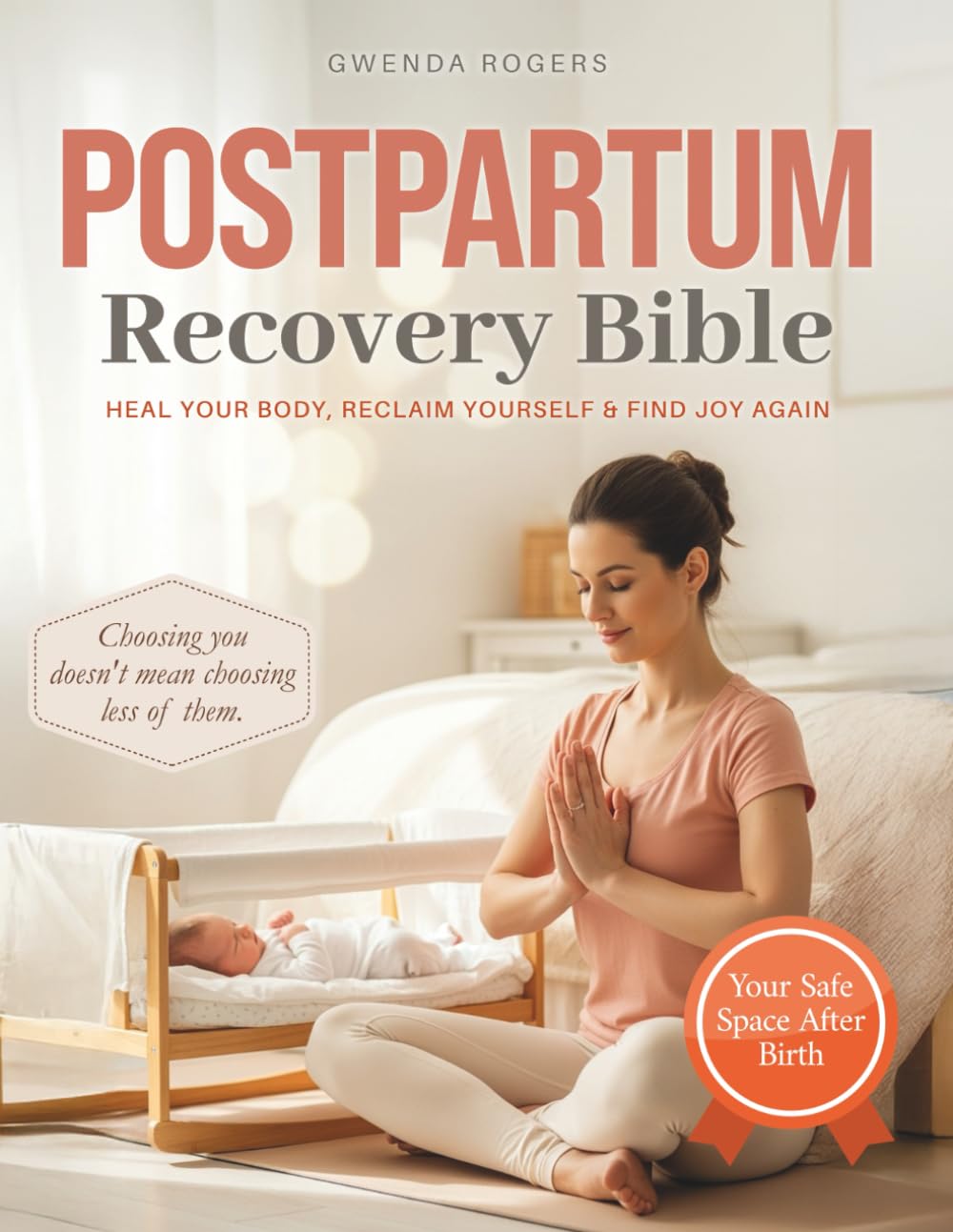
Post Partum Recovery Bible: The First-Time Mother’s Guide to Thriving After Birth | Recover from Pregnancy & Cherish Your Newborn with Expert Tips for Physical, Mental, & Emotional Healing
- Health, Fitness & Dieting
- Mental Health
- Postpartum Depression
Comparison Table: PPD Recovery Resources at a Glance
| Recovery Resource | Best For | Primary Benefit | Main Limitation | Recommended Product | Price Range |
|---|---|---|---|---|---|
| Peer support groups | Isolation and loneliness | Felt sense of not being alone; reduces shame fast | Requires leaving the house or consistent internet access | Mother to Mother Support Book | Free (NHS/PSI groups) |
| CBT based self help book | Mild to moderate PPD, waiting for therapy | Practical tools available immediately | No personalised clinical feedback | Postpartum Depression and Anxiety Self Help Guide | $12–15 |
| Intrusive thoughts focused reading | Scary thoughts causing shame and panic | Rapid normalisation; reduces avoidance | Does not replace clinical assessment | Good Moms Have Scary Thoughts | $11–12 |
| Comprehensive recovery guide | Mothers who want a full picture (physical + emotional) | Covers nutrition, exercise, emotional tools in one place | May feel overwhelming early on | Post Partum Recovery Bible | Varies |
| Structured workbook approach | Motivated mothers wanting a clear programme | Step by step format builds momentum | Requires sustained engagement | Navigating Postpartum Depression and Anxiety | Varies |
| Honest memoir hybrid | Mothers who distrust traditional self help | Validates the messy reality; reduces performative pressure | Less structured clinical guidance | Not Your Mother's Postpartum Book | $12–13 |
Expert Insights
FAQ
You Are Already Doing Something Right
The fact that you are reading this matters. The mother who searches for answers, who picks up a book or opens an article at 2am hoping to understand what is happening to her, is already in motion. Recovery from postpartum depression is not a straight line and it is not a solo effort. It requires clinicians who take you seriously, people who show up in practical ways, and resources grounded in what actually works.
If there is one sentence worth carrying with you from everything above, it is this: your baby does not need you to be healed to bond with you. They need you to keep showing up, and every time you do, you are healing.
Save this article for the days when you need reminding. Share it with someone who needs it tonight.
Sources & References
- World Health Organization. "Maternal Mental Health." 2023. https://www.who.int/news-room/fact-sheets/detail/maternal-mental-health
- American College of Obstetricians and Gynecologists. "Screening for Perinatal Depression." Committee Opinion No. 757. 2018. https://www.acog.org
- Royal College of Psychiatrists. "Postnatal Depression." Patient Information Leaflet. 2021. https://www.rcpsych.ac.uk
- Dennis, C.L. "Psychosocial and Psychological Interventions for Prevention of Postnatal Depression: Systematic Review." BMJ. 2005.
- Dennis, C.L., and Hodnett, E. "Psychosocial and Psychological Interventions for Treating Postpartum Depression." Cochrane Database of Systematic Reviews. 2007.
- Dennis, C.L. et al. "Effect of Telephone-Based Peer Support for Women With Postpartum Depression." JAMA Psychiatry. 2014.
- Morrell, C.J. et al. "A Systematic Review of the Evidence for Psychological Therapies for Postpartum Depression." Lancet Psychiatry. 2016.
- Feldman, R. et al. "Oxytocin and Social Affiliation in Humans." Hormones and Behavior. 2012.
- Feldman, R. et al. "Maternal and Paternal Plasma, Salivary, and Urinary Oxytocin and Parent–Infant Synchrony." Psychoneuroendocrinology. 2014.
- Tronick, E. "The Neurobehavioral and Social-Emotional Development of Infants and Children." W.W. Norton. 2007.
- Paulson, J.F., and Bazemore, S.D. "Prenatal and Postpartum Depression in Fathers and Its Association With Maternal Depression." JAMA. 2010.
- Neff, K.D. "Self-Compassion: The Proven Power of Being Kind to Yourself." HarperCollins. 2011.
- Kleiman, K. "Good Moms Have Scary Thoughts." Familius. 2019.
- US National Library of Medicine. "LactMed: Drugs and Lactation Database." https://www.ncbi.nlm.nih.gov/books/NBK501922/
- Postpartum Support International. "PSI Helpline and Support Groups." https://www.postpartum.net
Frequently Asked Questions
How do I know if I have postpartum depression or just the baby blues?
Can fathers and non-birthing parents get postpartum depression?
Is it safe to take antidepressants while breastfeeding?
Can I recover from postpartum depression without medication?
How long does postpartum depression last?
My baby is six months old. Is it too late to be diagnosed with PPD?
What do I say to my partner or family to help them understand what I am going through?
Was this helpful?
Thanks — your feedback helps us pick what to write next.