Potty Training Tips for 2 Year Olds: What Actually Works
Most 2 year olds show real signs of potty readiness between ages 2 and 3, and success comes from watching your child's cues, staying calm and consistent, and using the right equipment rather than chasing a strict calendar date.
In this article
Potty training a 2 year old is one of those milestones that seems to have a hundred rules floating around, from your mother in law's advice to viral three day methods online. Here's the truth from the exam room: the American Academy of Pediatrics reports that most children achieve bladder and bowel control somewhere between ages 2 and 4, with a wide range of what's completely normal. There is no single "right" age to start, and starting too early often backfires, leading to more accidents and more frustration for everyone.
What you'll understand by the end of this article:
1. How to Know If Your 2 Year Old Is Ready for Potty Training
The clearest sign your toddler is ready is a cluster of physical, cognitive, and behavioral cues appearing together, not just their birthday. Age is a rough guide, not a starting gun. Some children show readiness signs at 20 months, others not until closer to 3, and both can be perfectly normal.
Physical and behavioral signs to watch for
If your child isn't showing these signs yet
That's completely fine, and pushing ahead anyway usually means a longer, messier process. Waiting a few more weeks or months often means the whole thing goes faster once you do start. The AAP specifically advises against starting potty training during a stressful transition (a new sibling, a move, starting daycare) because toddlers regress under stress, and toilet skills are one of the first things to go.
2. Setting Up Your Home and Routine Before You Start
The most useful thing you can do before day one is make the bathroom feel accessible and low stakes, not intimidating. A 2 year old sitting on an adult toilet often feels like sitting over a small, echoing canyon, and that fear alone can stall progress for weeks.
Building the right setup
For families who prefer skipping a separate freestanding potty altogether, a toilet topper like the Frida Baby Drop Down Potty Training Seat flips down over the existing seat and pops back up when not in use, which keeps the bathroom from feeling cluttered with mini toilets.
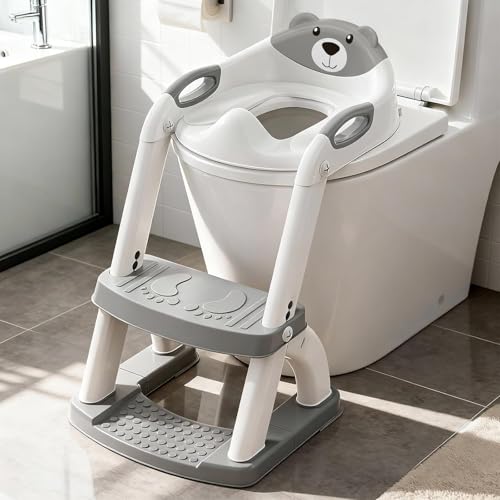
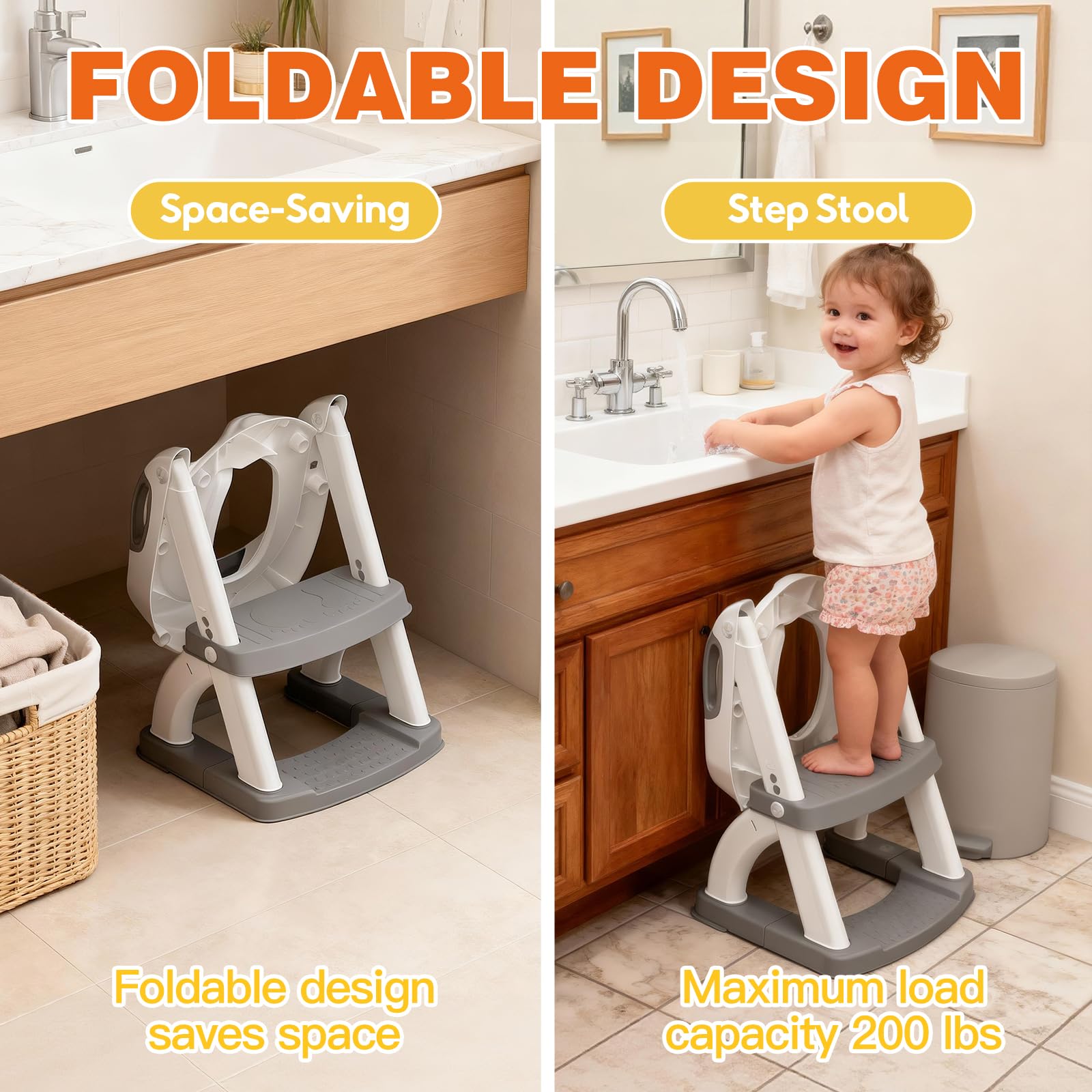


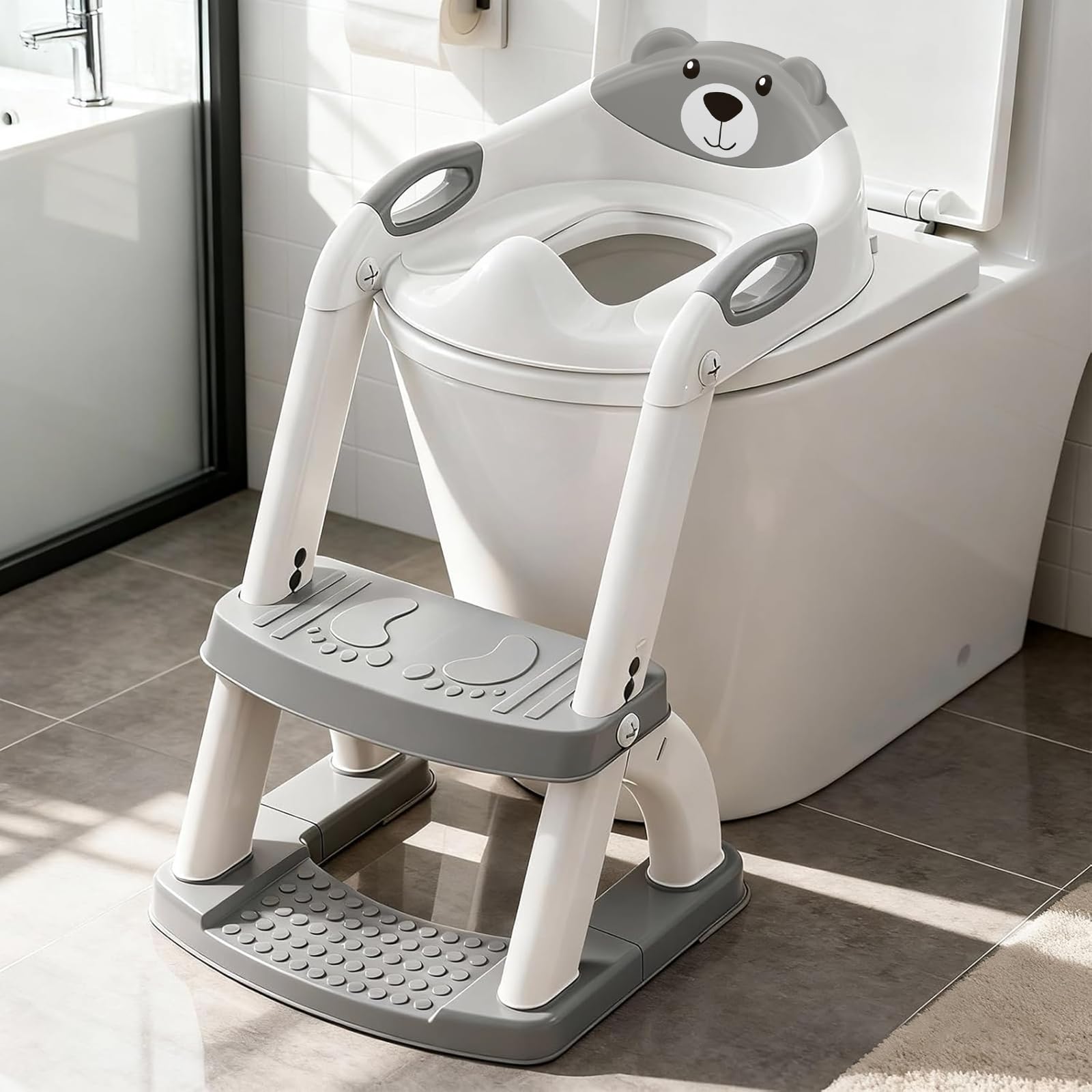
Potty Training Toilet for Toddlers, 2-in-1 Potty Training seat, Anti-Slip
- 2-IN-1 STEP STOOL + POTTY SEAT – GROWS WITH YOUR CHILD No need to buy a separate step stool. This foldable pot
- ROCK-STEADY STABILITY – NO WOBBLE, NO FEAR We spent 20 years watching kids climb, twist, and step – so we buil
- TALLER SPLASH GUARD – BECAUSE SHORT ONES FAIL The #1 complaint we heard over 20 years? “The guard isn’t high e
Many pediatric occupational therapists point out that combination seats, ones that double as a step stool for handwashing or brushing teeth, help toddlers see the whole bathroom routine as one connected skill rather than a separate scary task. The SKYROKU 2 in 1 Potty Training Toilet is designed around exactly that idea, converting between a step stool and a seat so kids stop needing a plastic potty they'll outgrow within months.
If tantrums are already a regular feature of your day, it's worth reading up on what's really going on with toddler tantrums before you start, since potty training can amplify existing frustration tolerance issues for a few weeks.
3. The Step by Step Approach That Actually Works
The most reliable method combines gradual introduction with consistent, low pressure practice, not an intense all or nothing weekend. While "three day method" videos are popular, most pediatric sources describe potty training as a gradual skill acquisition process that unfolds over weeks to months, with the three day intensive approach working best as a jumpstart rather than a guaranteed finish line.
A realistic weekly structure
1. Week 1: Introduce the potty as furniture, not a task. Let your toddler sit on it fully clothed while reading a book, no pressure to perform. 2. Week 2: Transition to underwear during the day (ditch daytime diapers) and set a gentle timer for every 60 to 90 minutes to try. 3. Weeks 3 to 4: Loosen the timer as your toddler starts initiating trips on their own; keep praising effort over outcome. 4. Ongoing: Expect accidents to drop steadily but not disappear completely for another month or two.
Potty training is not a race, and there is no prize for finishing first. Children who are rushed often develop more fear around the bathroom, which slows things down in the long run.
— Dr. Barton Schmitt, Pediatrician, Author of Pediatric Telephone Protocols (2018)
Handling the actual moments on the toilet
4. Choosing the Right Potty Seat or Toilet Insert
The right seat comes down to your child's comfort level with the regular toilet versus a standalone potty, and either choice is medically fine as long as it feels stable and unrushed. There's no evidence that one approach trains children faster than the other; it genuinely comes down to preference and your bathroom setup.
Standalone potties versus toilet toppers
Standalone potties sit low to the ground, which many toddlers find less scary because their feet touch the floor. Toilet toppers skip the "graduation" step of eventually moving to the big toilet, but they usually need a step stool alongside them for stability and confidence.
The Bluey Soft Potty Seat is a favorite for toddlers who need a familiar, comforting character to ease bathroom anxiety, and its soft cushion is gentler for kids who resist sitting on hard plastic. For families with both a boy and girl using the same seat, the Rabb 1st Potty Training Seat offers adjustable height settings so it grows with your toddler across several months rather than needing replacement.
Features worth prioritizing
For families who want something that fits both round and elongated toilets without extra shopping, the Jool Baby Potty Training Seat includes a storage hook so it's not sitting on the bathroom floor between uses.
| Option | Best For | Primary Benefits | Main Drawbacks | Recommended Product | Price Range |
|---|---|---|---|---|---|
| Toilet topper seat | Toddlers ready to skip a standalone potty | No emptying or scrubbing, fits directly on toilet | Needs a step stool for climbing | Frida Baby Drop Down Potty Training Seat | $15 to $18 |
| 2 in 1 step stool combo | Families wanting one product for multiple bathroom tasks | Doubles as sink stool, grows with child | Takes more floor space | SKYROKU 2 in 1 Potty Training Toilet | $30 to $35 |
| Soft cushioned insert | Toddlers sensitive to hard plastic or nervous about the toilet | Comfortable, character design eases anxiety | Less durable long term | Bluey Soft Potty Seat | $12 to $14 |
| Adjustable height seat | Multiple children of different ages/sizes | Adjusts as child grows, sturdy support bar | Slightly bulkier design | Rabb 1st Potty Training Seat | $30 to $34 |
| Support bar insert | Toddlers who feel unsteady or fearful | Extra stability, wide pedal, less fall fear | Takes longer to install | Meulife Potty Training Seat | $25 to $28 |
| Handle grip seat | First time potty users needing confidence | Grip handles, fits most toilets, simple design | Fewer bonus features | Jool Baby Potty Training Seat | $18 to $21 |
5. Handling Accidents, Regressions, and Refusal Without a Power Struggle
Accidents and temporary regressions are a normal, expected part of potty training, not a sign that you're doing something wrong. Even children who seemed fully trained can regress for weeks after a new sibling arrives, a move, illness, or starting daycare.
Why staying calm matters more than any technique
Your toddler is watching your reaction closely. A frustrated response to an accident teaches them that the bathroom is a source of tension, which can lead to withholding, a cycle where kids hold in bowel movements out of fear, leading to constipation and even more difficult training. If tantrums flare up around bathroom refusal, the strategies in how one mom regulates herself during toddler tantrums apply directly here; staying regulated yourself is often the deciding factor in how quickly a rough patch resolves.
A practical response plan for accidents
Regression during potty training is one of the most common reasons parents call in worried they've failed. In almost every case, it's a temporary response to stress, not a lasting setback.
— American Academy of Pediatrics, HealthyChildren.org (2022)
6. Nighttime Training and When to Talk to Your Pediatrician
Nighttime dryness is a completely separate skill from daytime training and typically takes months to years longer to develop. The AAP notes that many children aren't reliably dry overnight until age 5 or 6, and bedwetting up to that age is considered developmentally normal, not a problem needing intervention.
Why nighttime lags behind
Staying dry overnight requires a hormonal shift (increased nighttime antidiuretic hormone production) that has nothing to do with willpower or how "ready" your toddler seemed during the day. Pushing nighttime training before your child's body is physically producing that hormone consistently just leads to frustration for both of you.
Signs it's time to loop in your pediatrician
Screens sometimes come up as a distraction tool during long bathroom sits, and used thoughtfully that's fine; when screens help versus hurt during tricky routines like this one is worth a quick read if you're leaning on a tablet to keep your toddler seated long enough to go.
Expert Insights on Potty Training Timing and Technique
Potty training a 2 year old rarely goes exactly according to plan, and that's completely okay. The families who look back on it as a smooth experience aren't the ones who found a magic trick; they're the ones who paid attention to their child's specific signals, stayed calm through the messy middle, and didn't measure success against someone else's toddler. As one pediatrician put it best: readiness isn't a birthday, it's a conversation your child has already started having with their own body, and your job is simply to listen. If this guide helped you feel more prepared, save it for the weeks ahead, and share it with another parent who's staring down the same box of pull ups wondering where to start.
Sources & References
- American Academy of Pediatrics. "Toilet Training." HealthyChildren.org, 2022.
- American Academy of Pediatrics. "Toilet Training Readiness." Pediatric Guidelines, 2021.
- Schmitt, Barton D. "Pediatric Telephone Protocols." American Academy of Pediatrics, 2018.
- Seattle Children's Hospital. "Potty Training Guidance." Seattle Children's Hospital Patient Resources, 2021.
- Vanderbilt University Medical Center. "Developmental and Behavioral Pediatrics: Toilet Training." Faculty Publications, Dr. Mark Wolraich.
- Boston Children's Hospital. "Toilet Training Tips for Toddlers." Boston Children's Hospital Answers, Dr. Claire McCarthy.
Frequently Asked Questions
What is the average age for successful potty training in the US?
Should I potty train my 2 year old before daycare requires it?
How long does potty training usually take for a 2 year old?
Is it normal for my toddler to be scared of the toilet?
My toddler was doing great and suddenly refuses the potty completely. What happened?
Do potty training seats really make a difference?
Should boys and girls be trained differently?
Was this helpful?
Thanks — your feedback helps us pick what to write next.