Toddler Picky Eating Phase: What's Normal and What Helps
The toddler picky eating phase is a normal part of development that usually peaks between ages 2 and 6, and the most effective response is calm structure, repeated low pressure exposure to foods, and patience, not coaxing, bribing or cooking separate meals.

In this article
If you are reading this with a cold plate of pasta in front of you and a toddler who has just announced that the pasta is "yucky," take a breath. You are not failing, and neither is your child. Studies suggest that somewhere between 20 and 50 percent of parents describe their toddler as a picky eater, with the exact figure depending on how "picky" is defined (Carruth and colleagues, Journal of the American Dietetic Association, 2004). In my clinic, it is one of the top three things parents ask about at the 18 month and two year checks, usually with a slightly guilty look, as if they are confessing something.
The truth is that fussy eating at this age is so common that researchers treat it as a typical stage rather than a problem. It also tends to be loud, messy and emotionally loaded, because feeding your child is one of the most primal jobs a parent has. When a toddler refuses food, it can feel like a refusal of you.
This guide is long on purpose. Here is what you will understand by the end:
1. Why Toddlers Become Picky Eaters (and Why It Is Normal)
Toddlers become picky eaters because of three overlapping things: slower growth, a natural wariness of new foods, and a rapidly growing need for independence. None of these is a sign that you did something wrong.
Slower growth means smaller appetites
Most babies roughly triple their birth weight by their first birthday. After that, growth slows dramatically. A one year old might gain only around 5 pounds across the whole second year, compared with the enormous gains of infancy. Less growth means less fuel is needed, so your toddler's appetite quietly drops at the exact moment you are hoping they will eat more variety. This is why a child who happily devoured everything at 10 months may push a spoon away at 16 months.
Appetite in toddlers is also wildly uneven. It is completely normal for a child to eat a huge breakfast, nibble at lunch and skip dinner. Over a week, though, intake tends to balance out surprisingly well, even when single days look alarming.
Food neophobia: a built in safety brake
Food neophobia is the scientific term for fear of new foods. Researchers think it protects mobile toddlers from poisoning themselves; once a child starts walking and grabbing, a wary attitude toward unfamiliar items made evolutionary sense. A review by Dovey and colleagues in the journal Appetite (2008) describes food neophobia as typically emerging around age 2 and peaking somewhere between ages 2 and 6 before easing. So your toddler is not being difficult on purpose; their brain is doing exactly what it was designed to do.
You may notice that:
The independence factor
Between ages 1 and 3, children discover that they are separate people with opinions. Food is one of the few things they can truly control. You cannot make a child swallow, and they know it. A "no" at the table is often less about the broccoli and more about practising being in charge of their own body.
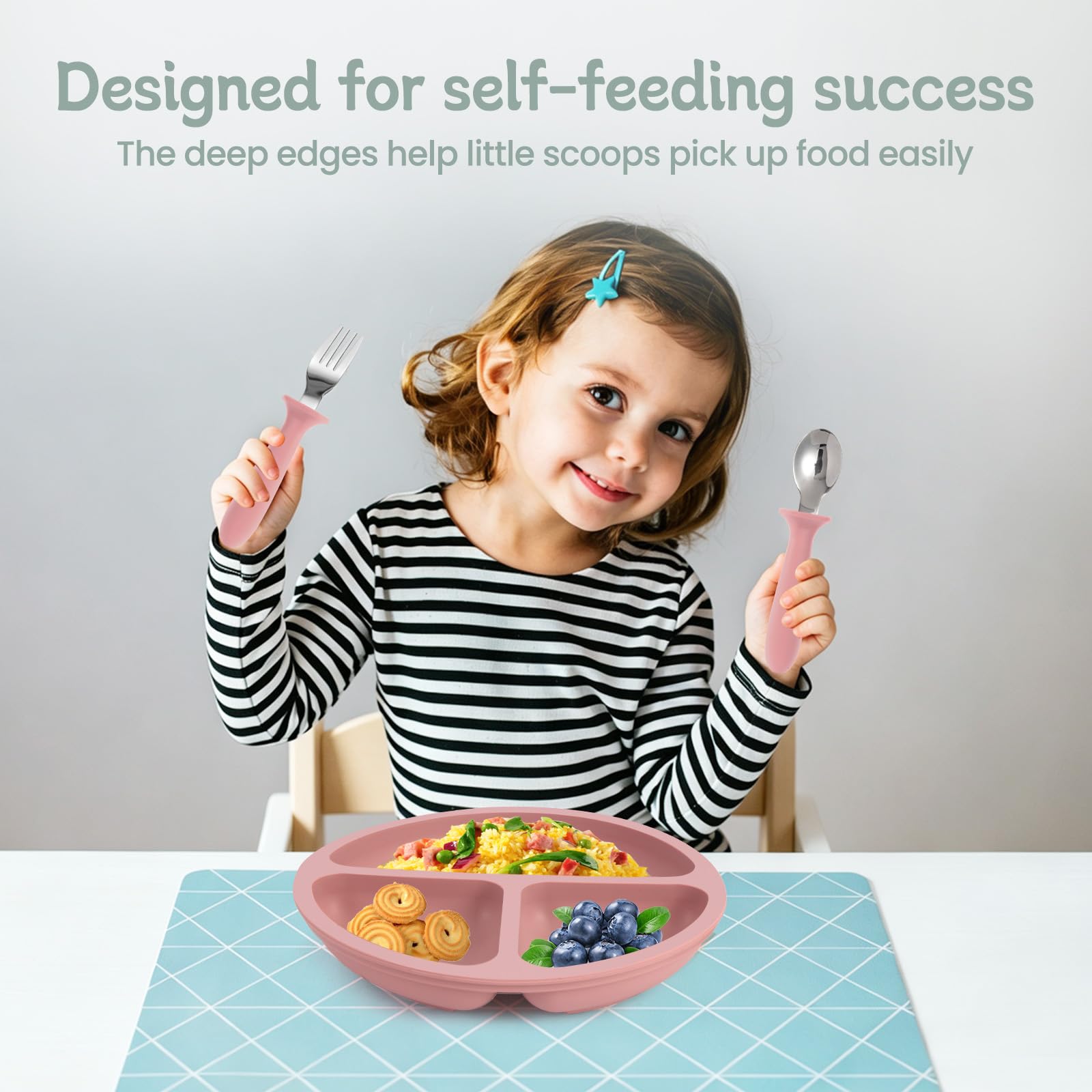
This is also why toddlers want to feed themselves, even when the result looks like a food explosion. Letting them do so is not just cute; it builds the skills and sense of control that make eating more relaxed over time. A plate that stays put helps a great deal, because a plate flipping onto the floor is stressful for everyone. Something like the [KeaBabies suction plates with lids](PRODUCT_LINK_PLACEHOLDER) can take that particular battle off the table.




KeaBabies Suction Plates with Lids for Baby, 3pk, BPA-Free Silicone, Slate
- Best Suction Plates – KeaBabies Prep Silicone Plates for baby feature extra-strong PrepGrip suction that stick
- 100% Pure Silicone – Our silicone baby plates with suction are 100% food-grade, BPA-free, temperature safe for
- All-New PrepGrip Suctions – Our patent-pending 4-point PrepGrip Suction with smart tabs ensure strong adherenc
How long does the phase last?
For most children, pickiness eases gradually through the preschool years and into early school age. It rarely vanishes overnight, and there are bumps along the way, such as a new sibling, starting childcare or an illness that all bring a temporary dip. The good news is that most children who are picky at two grow up to eat a reasonably varied diet, especially when mealtimes stay pleasant.
Mealtime strain often spills into other behaviour too. If dinner has become a daily meltdown, you may find our piece on toddler tantrums all day useful, because the same tiredness, hunger and need for control sit underneath both.
2. Set the Structure: The Division of Responsibility and a Meal Rhythm
The single most useful framework for picky eating is the "division of responsibility" developed by dietitian and family therapist Ellyn Satter: you decide what, when and where food is offered, and your child decides whether to eat it and how much. It sounds almost too simple, but it removes the push and pull that fuels so many mealtime battles.
What the division looks like in real life
Your jobs as the parent:
Your toddler's jobs:
That is it. You do not need to persuade, count bites or negotiate. The Ellyn Satter Institute has written about this approach for decades, and it is consistent with the responsive feeding principles that the American Academy of Pediatrics (AAP) promotes: pay attention to your child's hunger and fullness cues rather than overriding them.
Build a predictable rhythm
Toddlers have small stomachs and need to eat often, but they also need to arrive at the table hungry. A reliable pattern might look like this:
That is three meals and two snacks, roughly two to three hours apart. Water is fine between times, but constant grazing on crackers, pouches or milk blunts appetite and makes the next meal harder. If a child skips dinner, there is no need for panic. The next planned snack is not far away, and hunger is a very good teacher.
Watch the milk and juice
Liquids fill little stomachs fast. The AAP suggests that toddlers aged 1 to 2 need roughly 16 to 24 ounces (about 2 to 3 cups) of whole milk per day at most, and that juice, if offered at all, should stay under about 4 ounces a day for ages 1 to 3. A toddler who drinks 30 ounces of milk may simply not have room for dinner. If your child fills up on liquids, cutting back gently and offering milk after, not before, a meal can make a visible difference within a week or two.
Make the table inviting, not intense
Some small environmental tweaks help:
A simple, inexpensive plate helps with the routine. The [PandaEar divided silicone plates](PRODUCT_LINK_PLACEHOLDER) come in a set of three with separated sections, and they are budget friendly enough that you can keep a couple clean at all times. There is also a [blue, green and beige colourway of the same plate](PRODUCT_LINK_PLACEHOLDER) if you want a different look.
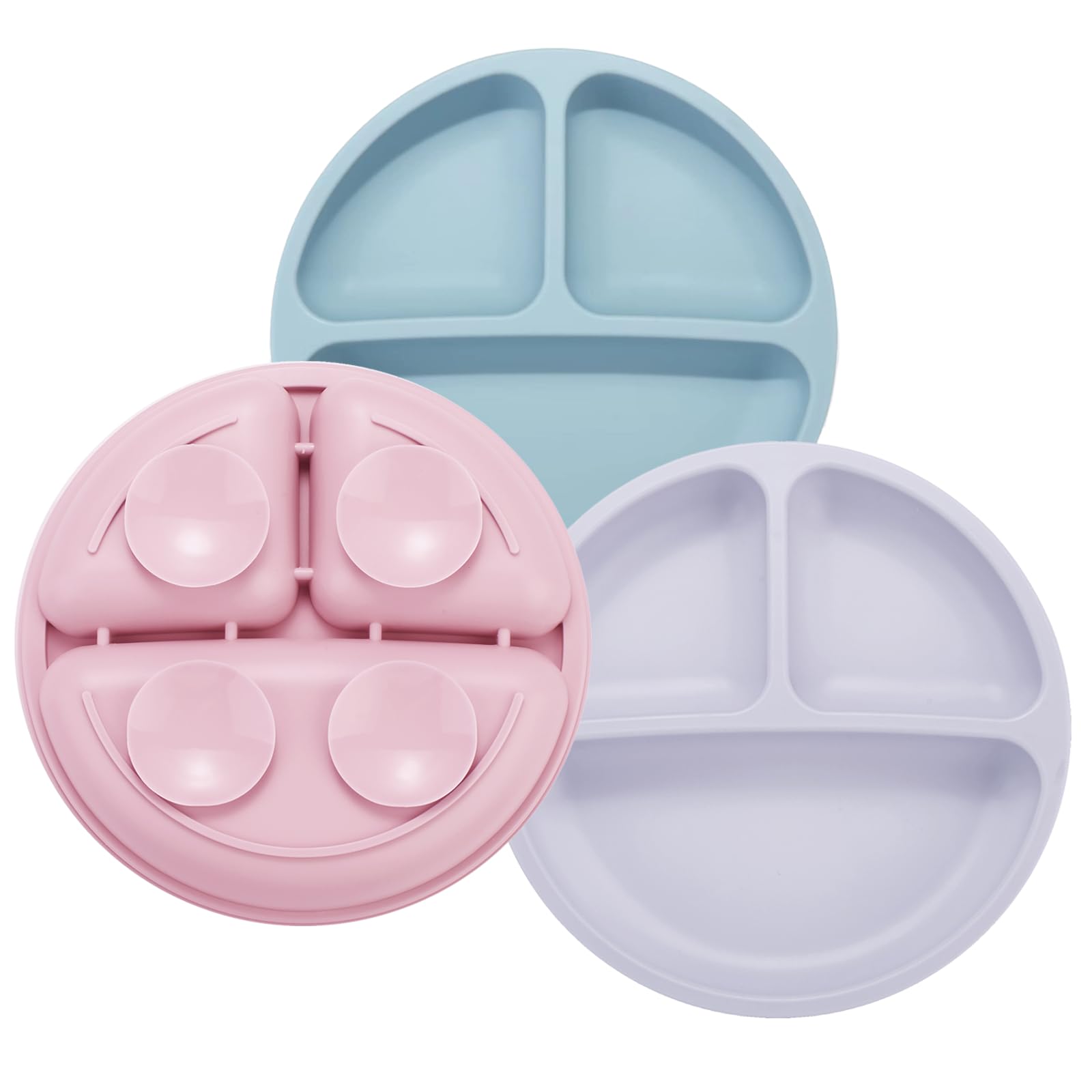
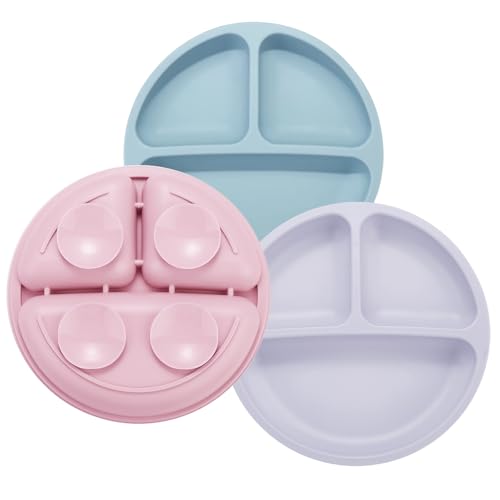
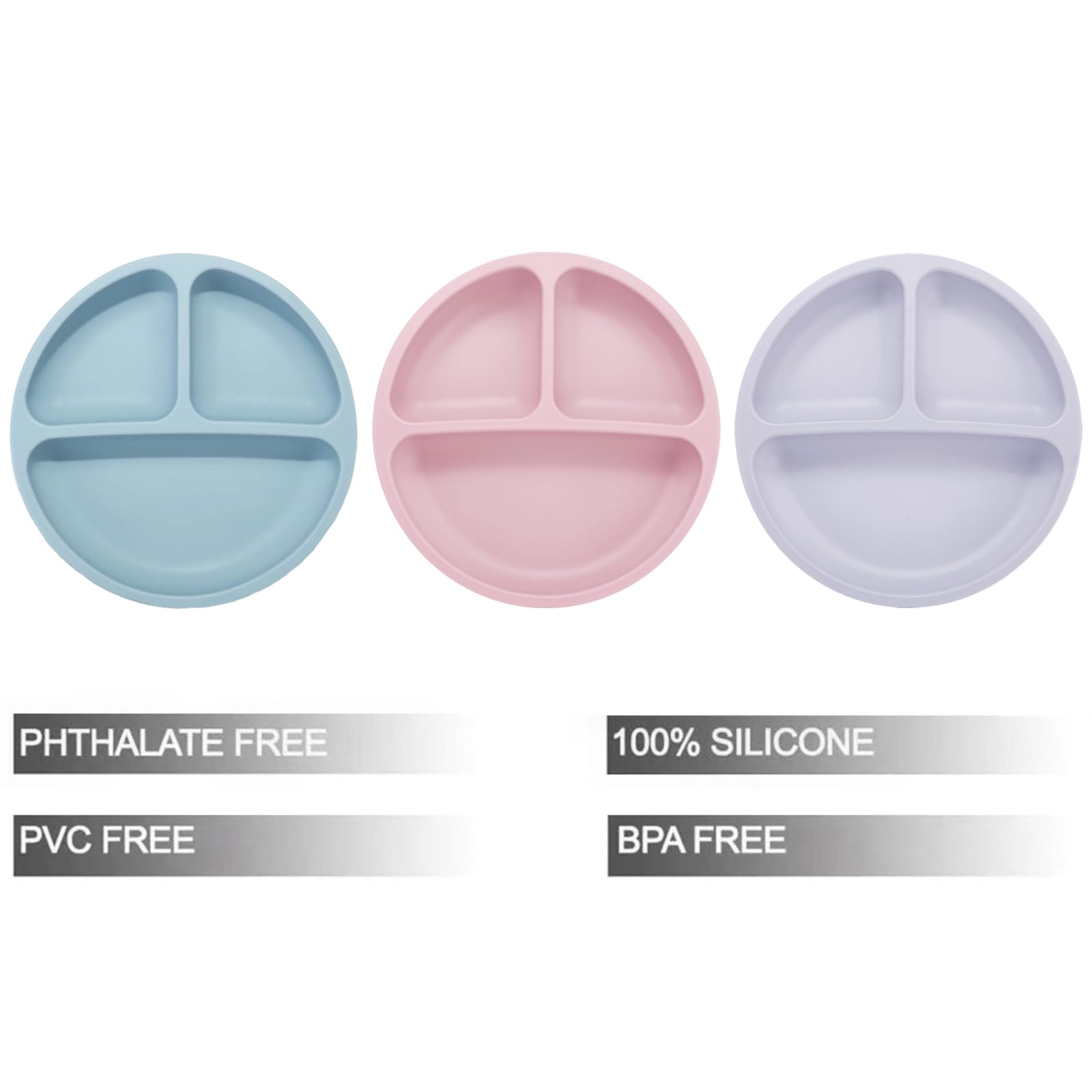

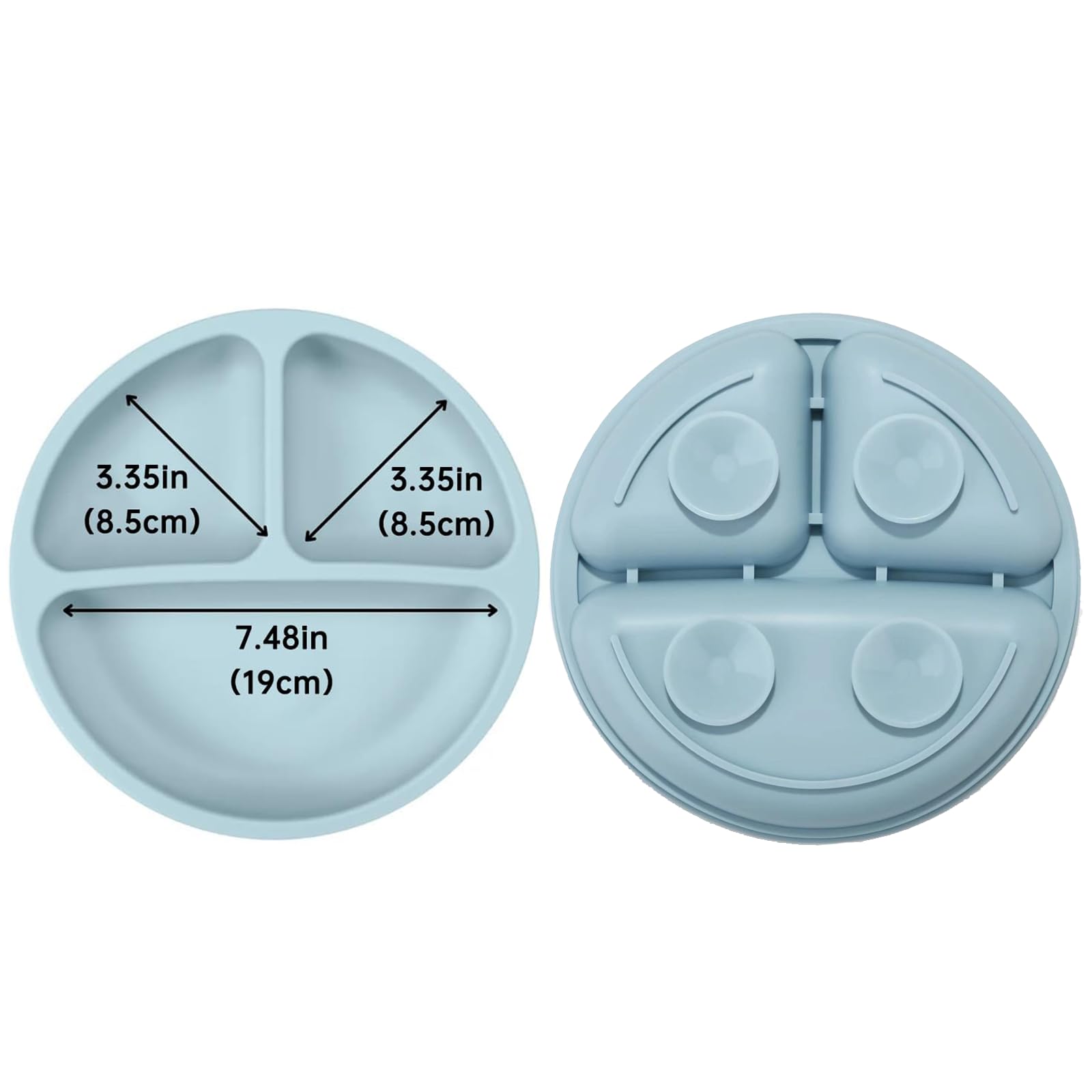
PandaEar 3 Pack Toddler Plates, Silicone Divided Suction Plate for Babies, BPA-Free 100% Food-Grade Silicone Unbreakable Baby Plate (Pink/Purple/Blue, Without Lids)
- 100% Silicone 3 Baby Plates - We have used BPA Free silicone in our silicone baby plate production so flavor a
- TODDLER PLATES - give your little one more independence at mealtimes with their very own silicone plate featur
- EASY TO CLEAN - only the best materials have been used to make these kids plates as easy to clean as possible.
Gentle approaches can feel vague when you are in the thick of it. If your toddler also tunes you out during meals (and everything else), our article on gentle parenting when your toddler won't listen offers ways to hold limits without turning mealtimes into a power struggle.
3. How to Introduce New Foods: Repeated Exposure Without Pressure
The best researched way to widen a toddler's diet is repeated, relaxed exposure: offering the same food many times, in tiny amounts, with no pressure to eat it. Children often need somewhere between 8 and 15 exposures before they accept a new food, and a "no" on the first or fifth try tells you very little.
Why exposure works
A classic study by Birch and Marlin (Appetite, 1982) found that two year olds' liking for unfamiliar foods rose as they were offered the foods more often. Later reviews, including Dovey and colleagues (2008), reached similar conclusions. The idea is simple: familiarity reduces fear. The food has to be seen, smelled, touched and sometimes spat out before it becomes "safe."
Note what counts as an exposure. Your child does not have to eat the food. These all count:
That last one is not rude; it is progress.
Practical steps that fit a normal day
1. Serve one new food at a time, alongside foods your child already likes. 2. Keep the portion tiny, such as one pea, one slice of cucumber or a single strawberry. 3. Offer it again in a day or two, and keep going for weeks. 4. Eat it yourself, visibly enjoying it. Toddlers watch you much more than they listen to you. 5. Stay neutral if it is refused. "That's okay, you can try it another day" is all you need.
Presentation matters too. A divided plate lets each food keep to itself, which suits toddlers who object when peas touch the pasta. The [Tiny Marvels three compartment plates](PRODUCT_LINK_PLACEHOLDER) have raised edges that help little hands scoop food onto a spoon, and the sections make it easy to put a "learning food" in its own little corner without it contaminating the safe foods.
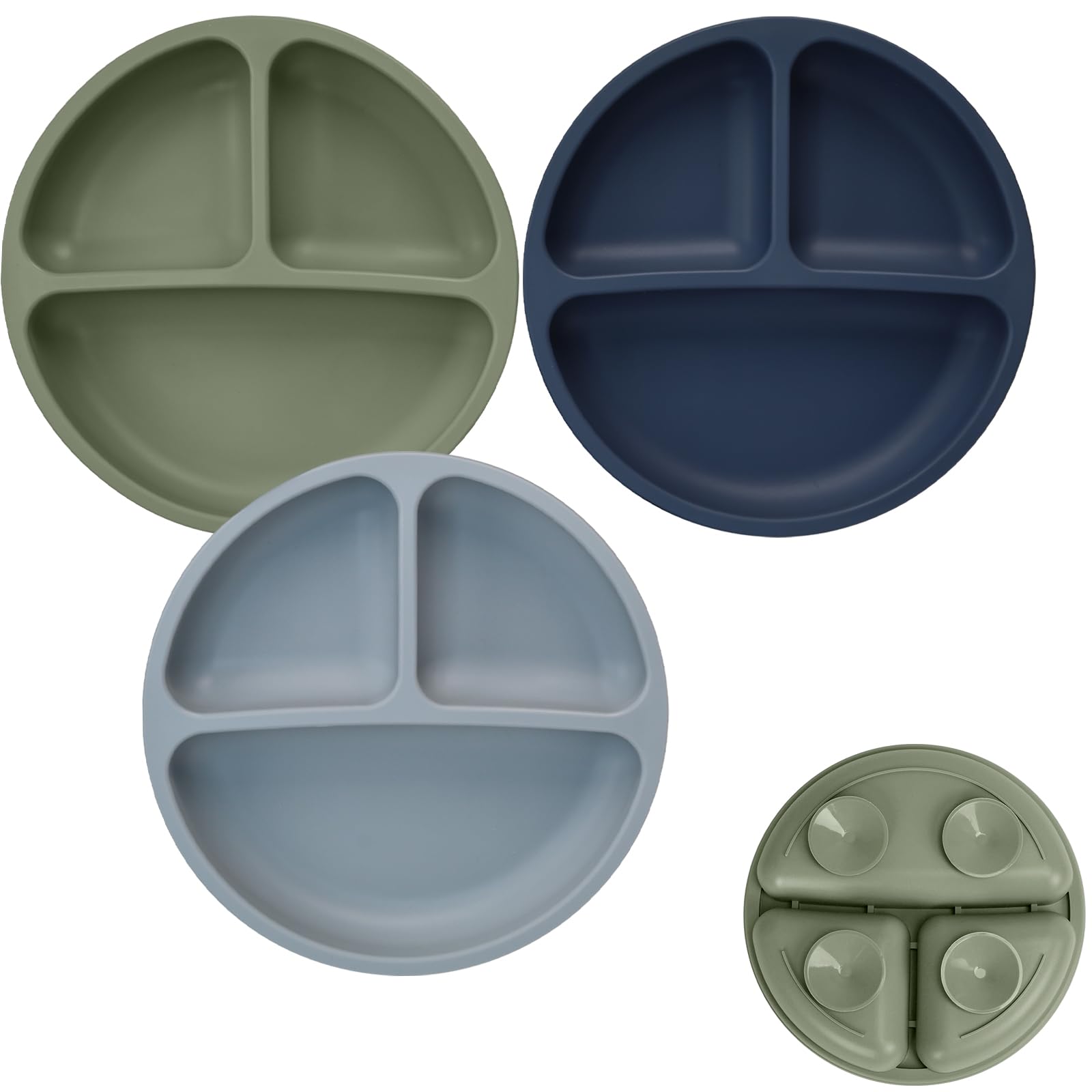


Tiny Marvels Suction Plates for Baby & Toddler & kids,Food Silicone,3 Pack
- 𝐒𝐓𝐑𝐎𝐍𝐆 𝐒𝐔𝐂𝐓𝐈𝐎𝐍 𝐒𝐈𝐋𝐈𝐂𝐎𝐍𝐄 𝐏𝐋𝐀𝐓𝐄𝐒 – No More Flying Food or Floor Messes! Our toddler plates feature a powerful su
- 𝗕𝗔𝗕𝗬 𝗦𝗔𝗙𝗘 & 𝗦𝗚𝗦 𝗖𝗘𝗥𝗧𝗜𝗙𝗜𝗘𝗗 – Rigorously SGS tested and certified, baby plates made from 100% food grade silicon
- 𝗗𝗜𝗩𝗜𝗗𝗘𝗗 𝗗𝗘𝗦𝗜𝗚𝗡 𝗙𝗢𝗥 𝗣𝗜𝗖𝗞𝗬 𝗘𝗔𝗧𝗘𝗥𝗦 – Three separate compartments keep foods from touching – a game-changer for to
Try food chaining
Food chaining is a gentle technique used by feeding therapists. You start from a food your child already accepts and make small, steady changes toward a new one. For example:
Change only one thing at a time (flavour, shape, brand, texture, colour) so the new food still feels close to something known.
Make food a game, not a test
Getting your child involved can reduce wariness. Let them wash vegetables, tear lettuce, stir batter, or pick out a new fruit at the shop. Sensory play with food (building a tower of cucumber slices, drawing a face with yoghurt) gives them contact with the food that is not about eating. If you want a fuller overview of why this phase happens and what helps, our picky eating guide for toddlers covers more everyday scenarios.
A note on safety
Toddlers are still at risk of choking. The AAP advises against giving round, hard or sticky foods such as whole grapes, hot dogs, nuts, popcorn and raw chunks of carrot to children under 4 unless they are cut or prepared in a safe way. Gagging is a normal protective reflex and is not the same as choking, but stay with your child and seated while they eat.
4. What Makes Picky Eating Worse (and What to Do Instead)
Most of the things parents do to get a toddler to eat, such as pleading, bribing and distraction, actually make picky eating stick around longer. This is not a criticism; these habits come from love and worry. They are also very easy to fall into.
Pressure backfires
Research on feeding pressure is fairly consistent. A study by Galloway and colleagues (Journal of the American Dietetic Association, 2005) found that parental pressure to eat was linked to fussier eating patterns in young girls. The mechanism is easy to understand: when eating becomes a performance, the table feels unsafe, and the child's wariness grows rather than shrinks.
Common forms of pressure include:
Bribes and rewards
"Eat your broccoli and you can have dessert" teaches your child two things: broccoli is unpleasant, and dessert is the prize. Studies on food rewards have shown that using treats as incentives can increase the value of the treat and lower liking for the food that was required. A calmer option is to serve a small portion of dessert alongside the meal now and then, so it is just another food rather than a trophy.
Short order cooking
If your toddler refuses dinner and you cook pasta instead, they have learned that refusing works. You do not need to be rigid, but you can include one "safe" food on the table at every meal (bread, rice, fruit, yoghurt), and make that the fallback. They will not go hungry, and you are not cooking to order.
Grazing and the "snack drip"
A toddler who is offered crackers every hour will rarely arrive at dinner with a real appetite. Offering structured snacks rather than a constant drip makes mealtimes more productive. This does not mean denying a truly hungry child; it means being deliberate about timing.
Screens at the table
It is very tempting to hand over a tablet when your child is finally quiet and eating. The problem is that screens turn eating into an automatic activity, so children often do not notice taste, texture or fullness, and they do not learn to cope with new foods. They can also become a daily requirement. For a longer discussion of when screens help and when they hurt, see our article on using screens to calm your child.
Messy meals and stress
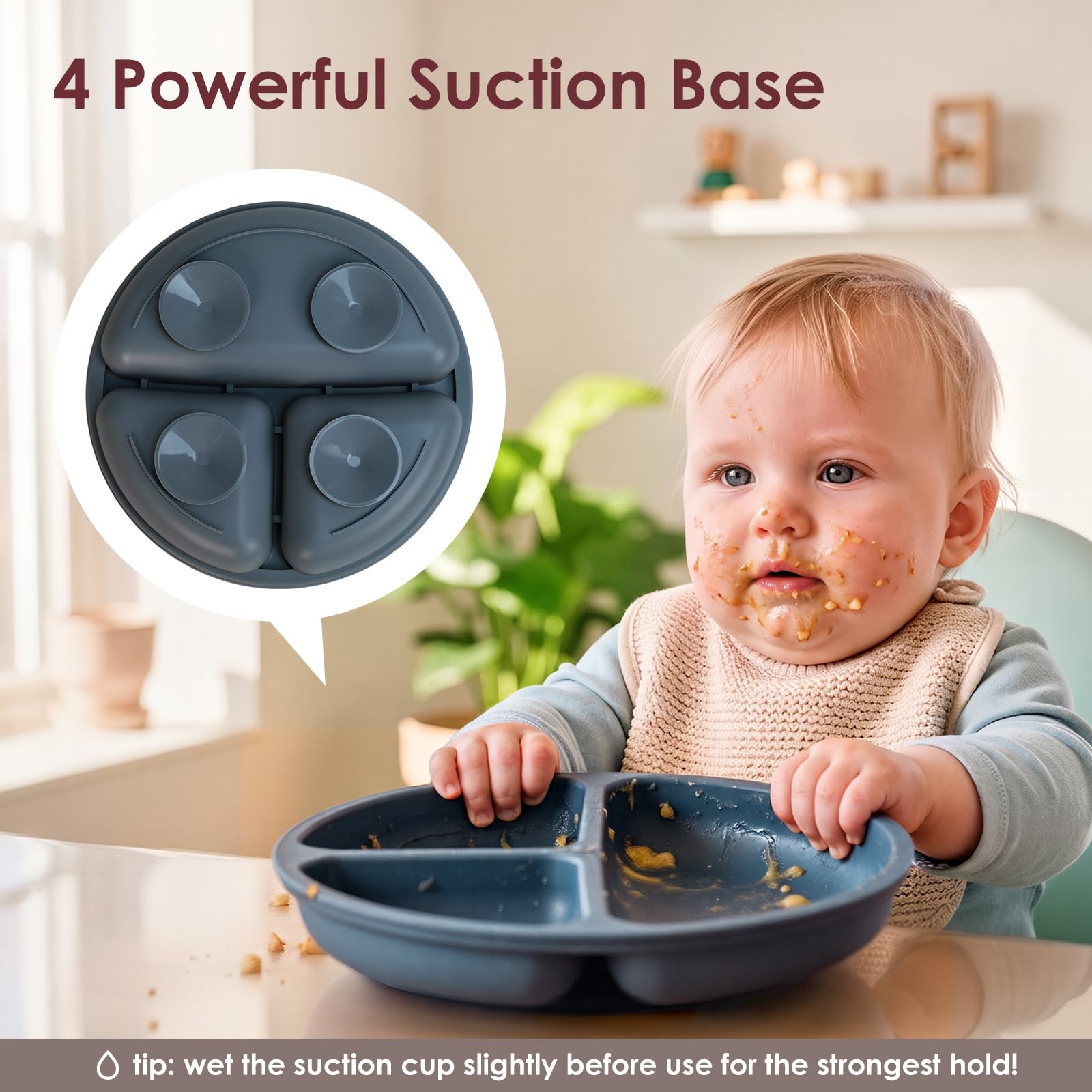
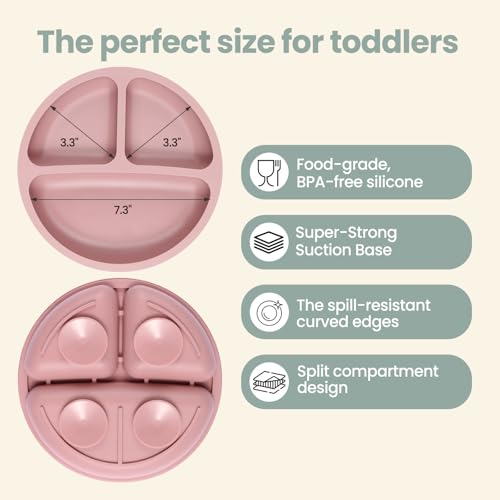
Flipped plates, flung food and spilled drinks drain your patience and can tip you into snapping at your child. A suction plate does not solve picky eating, but it can lower the daily stress level so you can respond calmly. The [Eascrozn divided suction plates](PRODUCT_LINK_PLACEHOLDER) have four small suction cups on the base and split compartments of different sizes, so you can keep a small "try it" portion separate from the foods you know will be eaten.

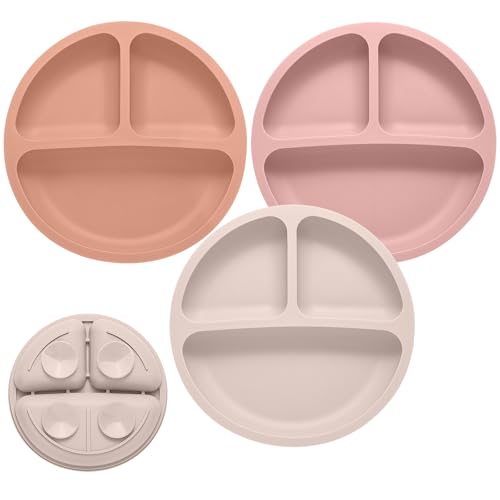
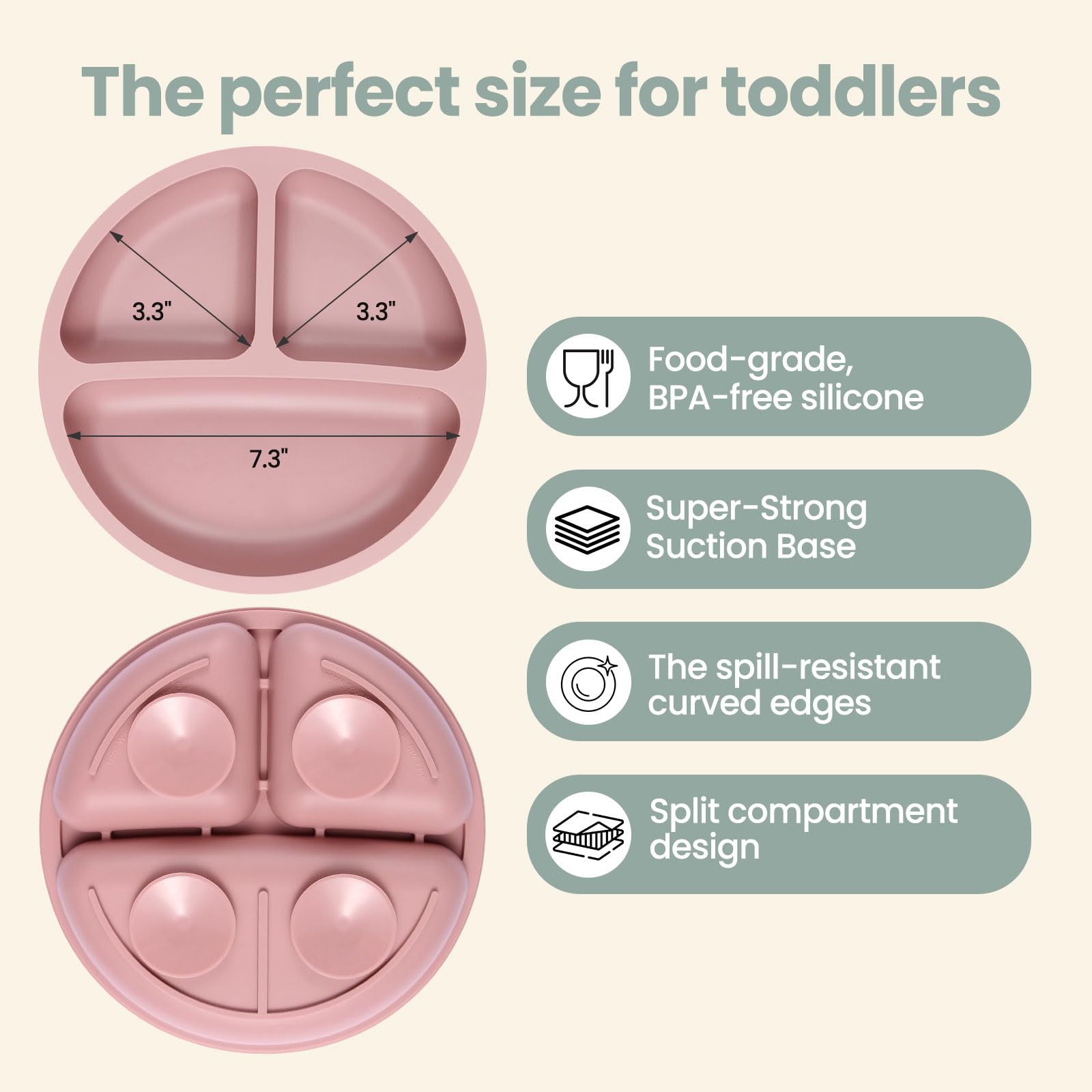
Eascrozn Toddler Plates, 3 Pack Divided Suction Plates for Baby
- Divided Suction Toddler Plates: Our toddler plates feature split compartments in different sizes, perfect for
- Unique Design: There are 4 small suction cups on the bottom of our baby plates, which are evenly distributed a
- Safe and Reliable: the kids plates is made of food-grade silicone, BPA free, heat-resistant and unbreakable, s
What to do instead
5. Nutrition Worries and When to Call Your Doctor
For most picky toddlers, nutrition works out fine over time, but a few warning signs mean it is worth getting a professional opinion. Knowing the difference between ordinary pickiness and a real feeding problem can save you a great deal of worry.
What "enough" really looks like
Many parents assume that if a toddler is not eating three balanced meals, they are malnourished. In reality, a healthy, active child with steady growth and good energy is almost always getting enough. Look at the bigger picture:
If the answer is yes to these, then the plate may look unimpressive, but the child is thriving.
Nutrients worth keeping an eye on
Some nutrients are worth special attention in picky toddlers:
Do not start vitamin or mineral supplements on your own without checking with your child's doctor first. They can advise whether a multivitamin is useful and whether any blood tests make sense.
Signs it may be more than ordinary pickiness
Contact your paediatrician if you notice any of these:
What about ARFID?
Avoidant restrictive food intake disorder (ARFID) is a recognised feeding and eating disorder in the DSM‑5, the American Psychiatric Association's diagnostic manual. It is not just very picky eating. Children with ARFID have such limited or restricted intake that it affects their growth, nutrition or daily functioning. It is not caused by parenting, and early support from a feeding team (often a paediatrician, dietitian and feeding therapist) makes a real difference. If your gut tells you "this is different," it is always fine to ask.
Oral motor and sensory factors
Some children have trouble with chewing, swallowing or sensory sensitivity, and this shows up as extreme pickiness. Feeding skills and speech use some of the same muscles and coordination, so a child who struggles with chewing may also be slow to talk. If you are noticing both, read our guide to speech delay signs in a 2 year old and mention it all to your doctor, who may refer you to a speech and language therapist or an occupational therapist who specialises in feeding.
6. Practical Tools and a Sample Day for Picky Eaters
You do not need special products to get through the picky eating phase, but a few well chosen tools and a realistic daily plan can make meals calmer. What matters most is routine, patience and a relaxed table. The gear is simply there to reduce mess and friction.
A sample day of meals and snacks
Here is a realistic plan for a toddler aged about 2. Adjust portions to your child's appetite.
- Breakfast: a small portion of porridge or toast, plus fruit, plus a milk or water cup - Morning snack: yoghurt or cheese cubes, and a few cucumber slices - Lunch: a sandwich or pasta, one "learning food" such as cooked carrot or avocado, a safe fruit - Afternoon snack: a piece of fruit or a wholegrain cracker with hummus - Dinner: a small portion of the family meal, plus one safe side such as rice, bread or potato - Before bed (if needed): a small, planned bedtime snack and a drink of water
Notice that every meal contains at least one food your child will usually eat. That keeps the table safe and takes away the "I'll starve" fear that drives so many parents to push.
Choosing a plate that helps
Plates will not magically make a toddler eat broccoli. They do, however, help with independence, portion size and mess. Here is what to look for:
One option for families who prefer to avoid silicone is the [Bakpoco stainless steel suction plates](PRODUCT_LINK_PLACEHOLDER). They are made from 304 stainless steel with a removable silicone suction base, and their compact 8 inch size is designed to fit in most high chairs. The maker advises measuring your tray first and notes that the suction works best on smooth surfaces rather than rough wood.
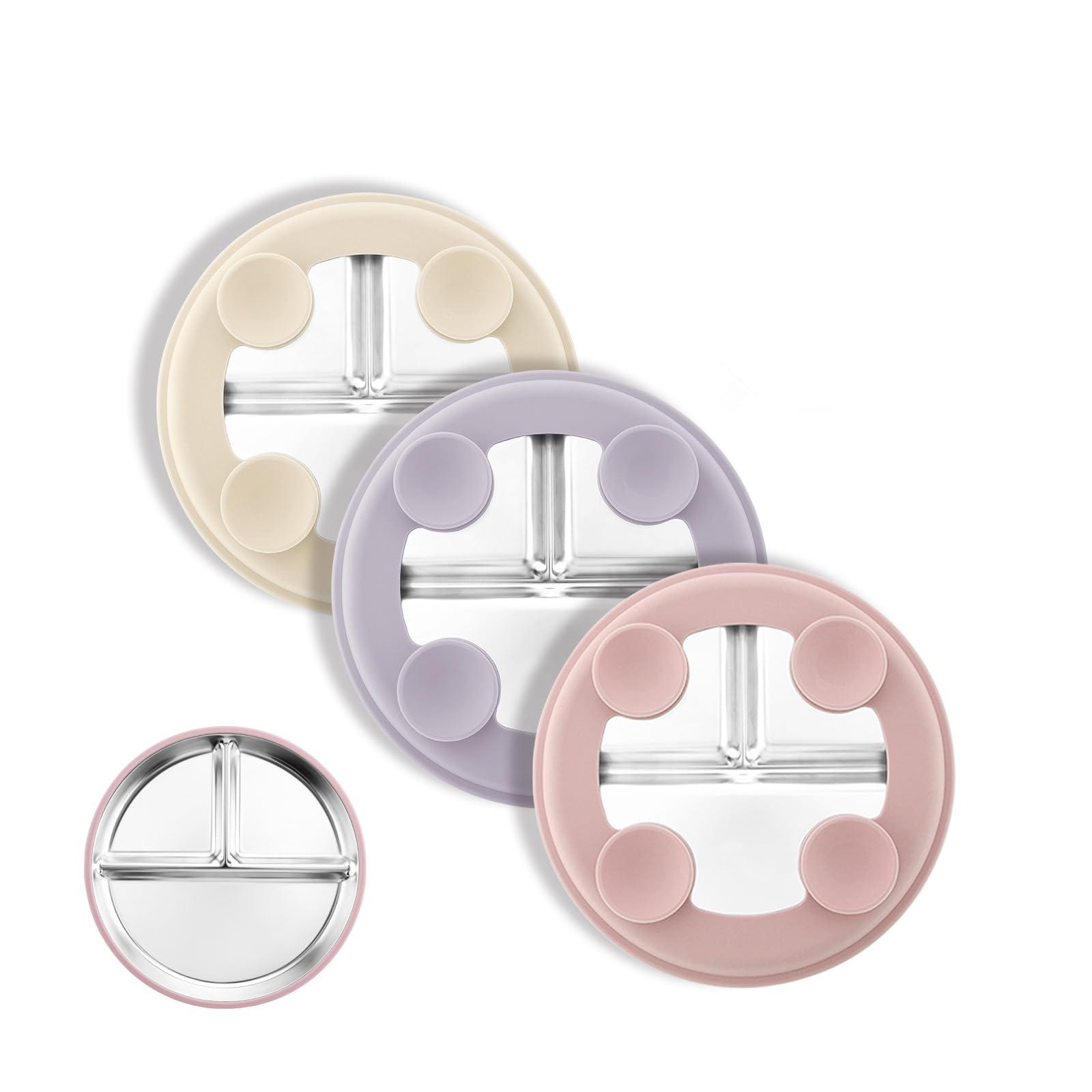
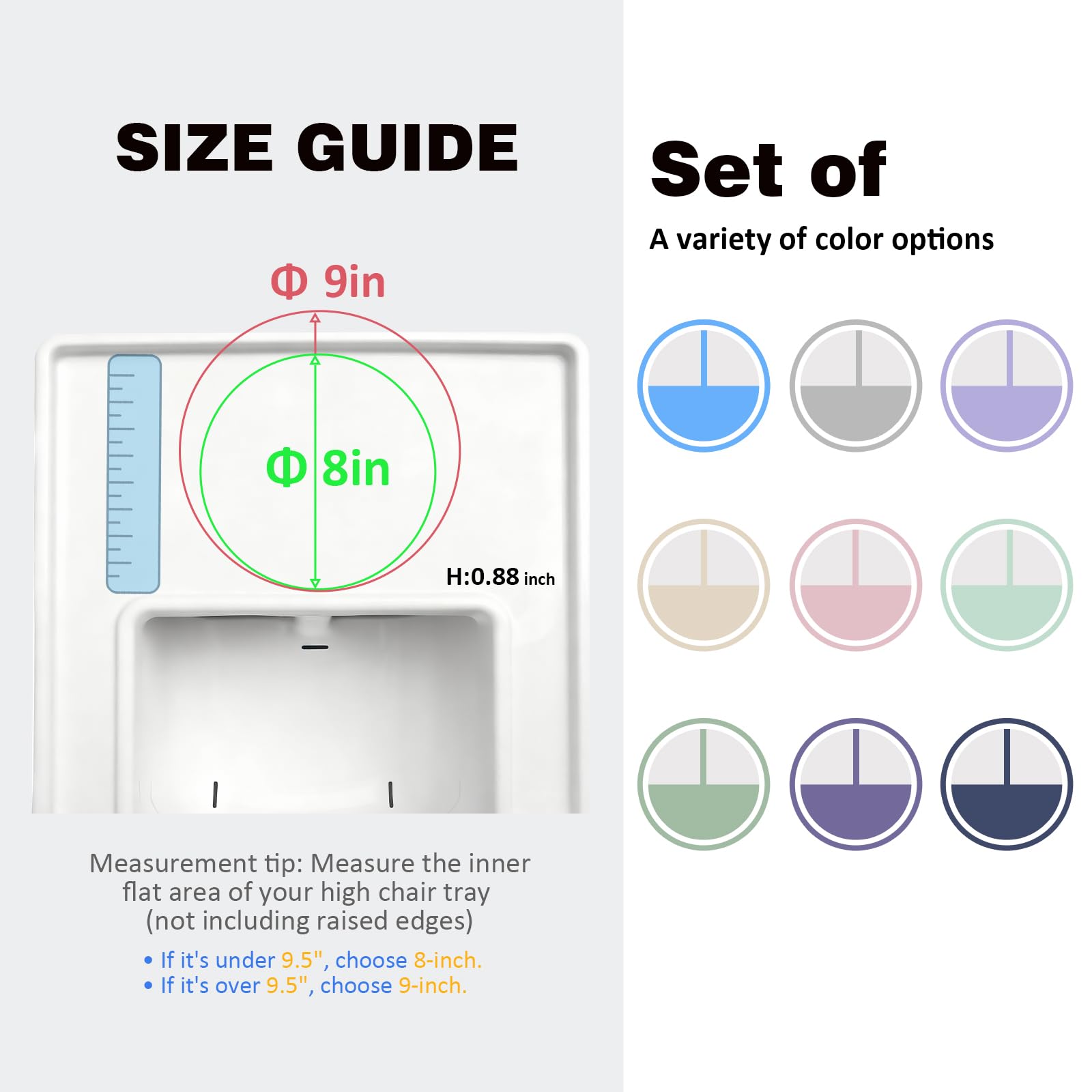
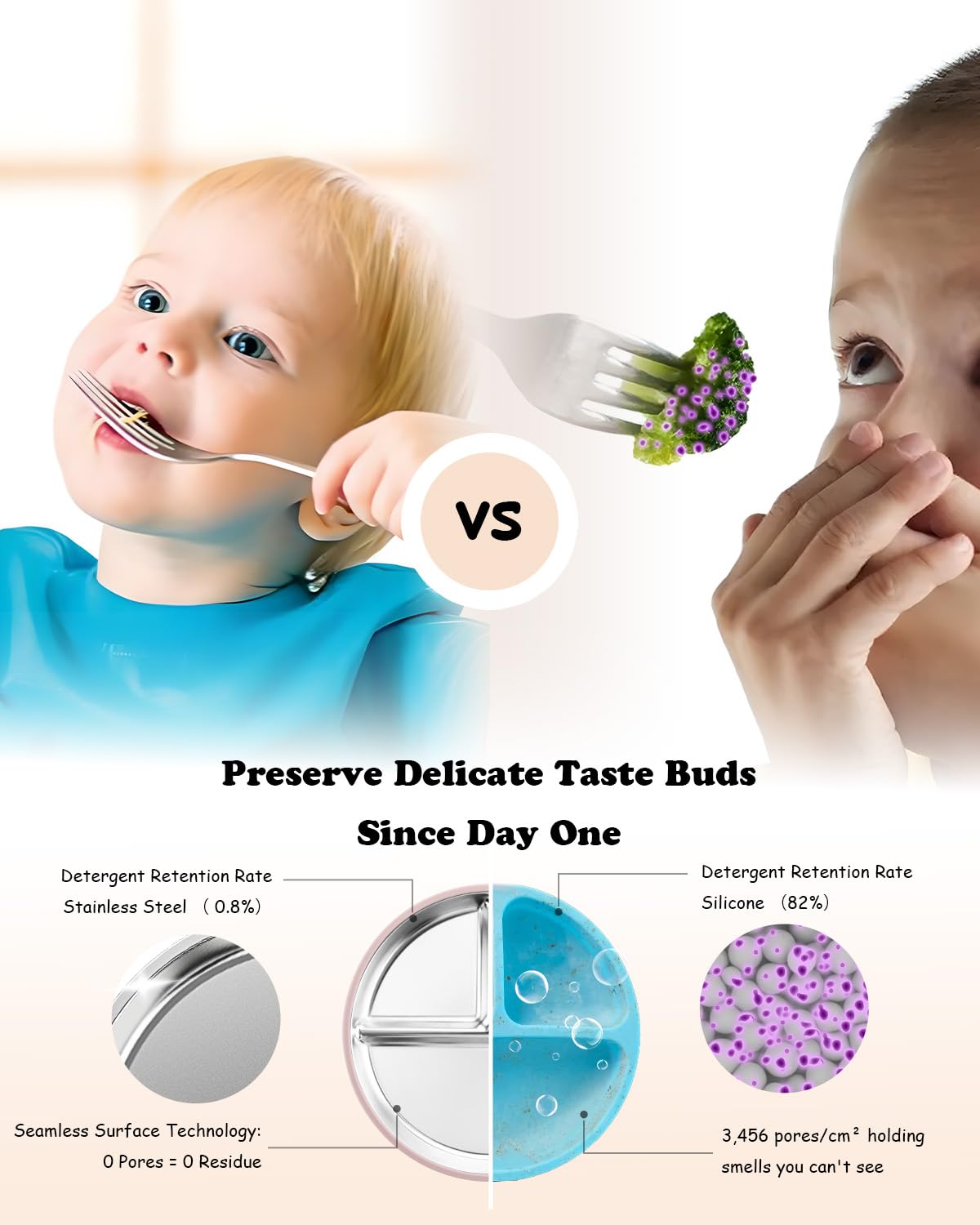
Bakpoco Stainless Steel Suction Plates for Toddlers, 8" Divided Kids Baby Plates with Removable Silicone Suction, Non Toxic Non Slip Portion Control Snack Dishes 3 Packs, Pink Beige Lilac
- High Chair & Stroller Ready: Compact 8" diameter specifically engineered to nestle securely in most high chair
- Innovative Design: This baby plate with suction combines durable 304 stainless steel with a silicone suction b
- Safe & Pure Stainless Steel: The smooth, BPA-free, lead-free stainless steel surface of these kids plates does
Eating out and on the go
Restaurants and family visits are where picky eating can feel most public. A few tips:
Involve your toddler in the kitchen
Cooking together is one of the nicest ways to shift attitudes. Toddlers can wash produce, stir, mash a banana, sprinkle cheese or choose between two vegetables at the supermarket. Children who help prepare food tend to be more curious about it. It will not always lead to eating, but it is another low pressure exposure.
When you are tired and out of ideas
Some days you will serve toast and a banana for dinner. That is okay. A balanced diet is built over weeks, not in a single meal. The most powerful thing you can do is protect the relationship with food: no shame, no battles, and no sense that eating is a test.
Comparing Plate Options for Picky Eaters
Plates are tools, not treatments. This table is meant to help you choose one that matches the mealtime problem you are trying to solve.
| Option | Best Age Range | Primary Benefits | Main Drawbacks | Recommended Product | Price Range |
|---|---|---|---|---|---|
| Silicone plate with lids | 6 months and up | Strong suction, lids for storing leftovers or travelling | Silicone can hold on to oils and odours | KeaBabies Suction Plates with Lids | $19.96 for 3 |
| Three compartment silicone plate | 9 months and up | Keeps foods separate, raised edges help scooping | Dividers can limit large portions | Tiny Marvels Suction Plates | $14.99 for 3 |
| Divided plate with uneven sections | 9 months and up | Different sized sections suit a mix of safe and new foods | Needs a smooth surface for best suction | Eascrozn Divided Suction Plates | $9.95 for 3 |
| Stainless steel plate | 12 months and up | No odour absorption, no silicone on the eating surface | Needs a tray measurement check; suction weaker on rough wood | Bakpoco Stainless Steel Suction Plates | $18.99 for 3 |
| Budget silicone set (colourful) | 9 months and up | Low cost, so you can keep spares clean | No lids | PandaEar Divided Silicone Plates | $7.95 for 3 |
| Budget silicone set (neutral) | 9 months and up | Same design in a calmer colour palette | No lids | PandaEar Blue Green Beige Plates | $7.95 for 3 |
Expert Insights: What the Specialists Emphasise
I am cautious about putting words in anyone's mouth, so rather than quoting, here is a summary of what recognised experts and organisations consistently say about this stage. You can read each in the sources at the end.
Ellyn Satter, registered dietitian and family therapist. Satter's division of responsibility is the backbone of much modern feeding advice. Her central point is that parents handle what, when and where, while children handle whether and how much. She argues that when adults take over the child's jobs through pressure, tricks or bribes, children eat less well and mealtimes get harder, not easier.
The American Academy of Pediatrics. The AAP's parent resource, HealthyChildren.org, describes picky eating as a typical feature of the toddler years and encourages parents to keep offering a variety of healthy foods, expect that children will accept some foods and not others, and avoid battles. It also reminds parents to limit milk and juice and to be careful with choking hazards.
Researchers Leann Birch and Pamela Dovey and colleagues. Birch's early work on repeated exposure and Dovey's review of food neophobia point to the same practical lesson: unfamiliar foods often need many exposures before a child will eat them. In other words, persistence without pressure is the active ingredient.
A Final Word for Tired Parents
Picky eating can make you feel judged, exhausted and a little bit invisible. I have sat across from many parents who have cooked, chopped, pleaded and negotiated, and who are quietly convinced they are doing it all wrong. They are almost never doing it wrong. They are simply in the middle of a stage that tests every parent.
Here is the sentence I would like you to remember: your job is to keep the table calm and the food coming, and your child's job is to grow into eating at their own pace. Keep offering, keep it low pressure, and keep going on the days when dinner ends up on the floor. If this helped, save it for the next tough mealtime or share it with a parent who needs a reminder that they are doing better than they think.
Sources & References
- Carruth BR, Ziegler PJ, Gordon A, Barr SI. "Prevalence of picky eaters among infants and toddlers and their caregivers' decisions about offering a new food." Journal of the American Dietetic Association, 2004;104(1 Suppl 1).
- Dovey TM, Staples PA, Gibson EL, Halford JCG. "Food neophobia and 'picky/fussy' eating in children: a review." Appetite, 2008;50(2 to 3).
- Birch LL, Marlin DW. "I don't like it; I never tried it: effects of exposure on two year old children's food preferences." Appetite, 1982;3(4).
- Galloway AT, Fiorito L, Lee Y, Birch LL. "Parental pressure, dietary patterns, and weight status among girls who are 'picky eaters'." Journal of the American Dietetic Association, 2005;105(4).
- Ellyn Satter Institute. "The Division of Responsibility in Feeding." https://www.ellynsatterinstitute.org
- American Academy of Pediatrics. HealthyChildren.org, parent guidance on picky eaters, toddler nutrition, juice and milk limits, and choking prevention. https://www.healthychildren.org
- American Psychiatric Association. Diagnostic and Statistical Manual of Mental Disorders, Fifth Edition (DSM‑5), 2013. Entry on avoidant restrictive food intake disorder.
Frequently Asked Questions
How long does the toddler picky eating phase last?
Should I make my toddler finish what is on their plate?
Is it okay to hide vegetables in my toddler's food?
My toddler only wants milk and snacks. What should I do?
When should I worry that picky eating is a medical problem?
Do toddlers need a multivitamin if they are picky?
Does a divided plate really help a picky eater?
Was this helpful?
Thanks — your feedback helps us pick what to write next.