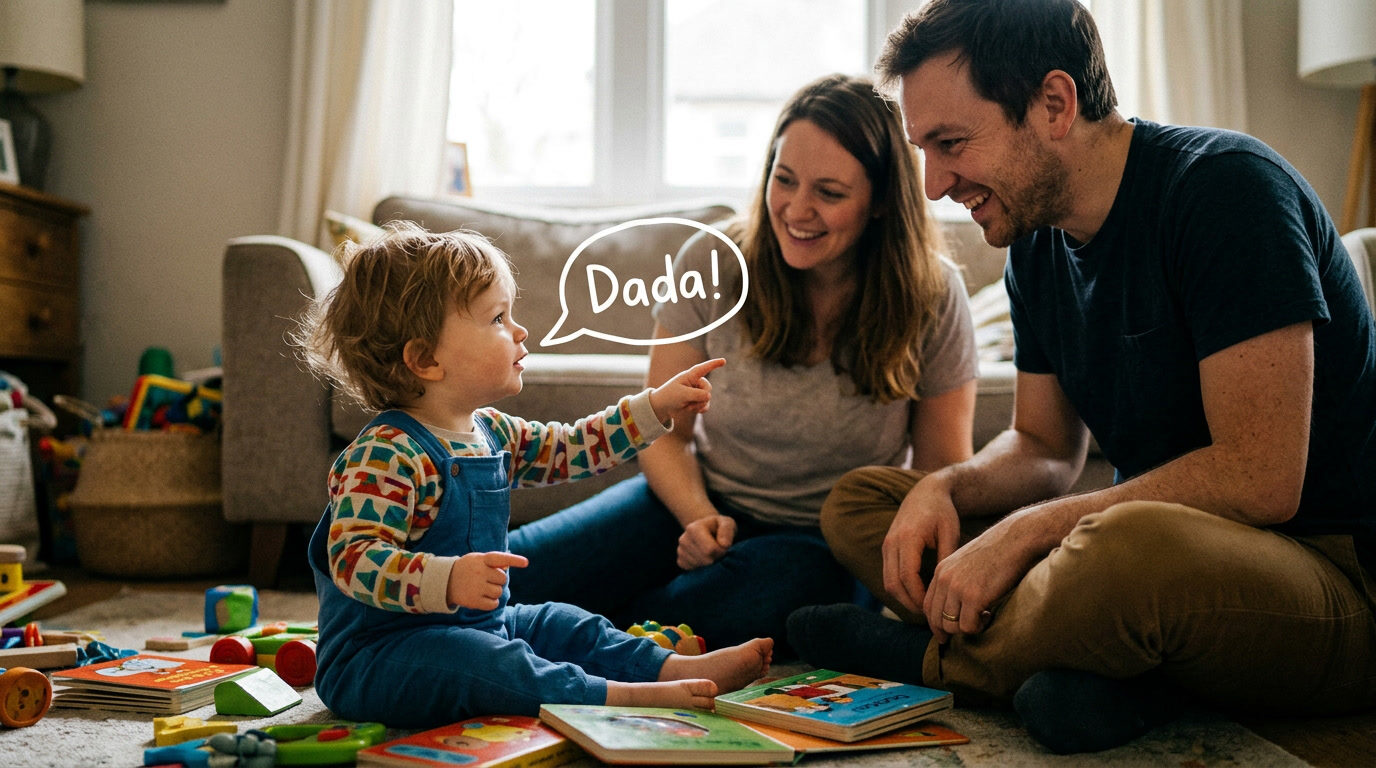
Toddler Tantrums All Day: Why It Happens and What Actually Helps
All day tantrums in toddlers usually signal an overloaded nervous system, unmet needs (sleep, hunger, connection), or a temporary developmental stretch, and they respond best to calm, predictable responses rather than punishment or bribery.
In this article
Some days it feels like your toddler is crying, screaming, or dropping to the floor every twenty minutes, over a banana that broke in half, a sock seam, or the wrong colour cup. You are not imagining it, and you have not broken your child. According to the American Academy of Pediatrics, tantrums peak between ages 1 and 3 and are considered a normal part of development, with some toddlers having multiple meltdowns daily during particularly hard stretches. That does not make them easy to live through.
This piece walks you through why "all day" tantrum days happen, what is actually going on in your toddler's brain and body, and what genuinely helps, without shaming your child or exhausting you further.
What you'll understand:
1. Why Do Toddlers Have Tantrums All Day Long?
The most common reason for back to back tantrums is cumulative overload, not a single bad moment but a stack of small stressors that never got a chance to reset. Think of your toddler's tolerance like a cup. Missed nap, skipped snack, a rushed morning, a new sibling home from the hospital, each pours a little more in. By afternoon the cup is full, and anything, a shoe that won't go on, spills it over.
Developmentally, toddlers between 1 and 4 are also going through huge shifts in independence and language. They want control over things (what they wear, what they eat, when they leave the park) long before they have the words or the patience to negotiate for it. That gap between wanting and being able to communicate or wait is where tantrums live.
Temper tantrums are a normal part of child development. They usually begin around age 1 and often continue until age 3, though they can occur before or after this age range.
— American Academy of Pediatrics (2023)
Common clusters behind an "all tantrum day"
- ✓ A skipped or shortened nap - ✓ A change in routine (travel, new caregiver, holidays) - ✓ Illness brewing before any visible symptoms - ✓ A developmental leap in language or motor skills - ✓ Overstimulating environments (loud stores, big family gatherings)
2. The Neuroscience: Why Your Toddler Cannot Just "Calm Down"
Your toddler is not choosing to fall apart; their brain is not yet wired to stop the fall. The prefrontal cortex, the part responsible for reasoning, impulse control, and calming big emotions, is one of the last brain regions to mature, and it is barely online in children under 4. Meanwhile, the amygdala, the brain's alarm system, is fully active and easily triggered.
This is why logic rarely works mid meltdown. Explaining "we don't have time for the park" to a screaming toddler is like trying to have a business meeting during a fire alarm. The alarm has to stop first.
Understanding this shifts the goal from stopping the tantrum instantly to helping your child's nervous system settle. For a deeper look at what's happening biologically during these outbursts, why toddler emotions run so intensely is worth reading in full, because it explains why reasoning, bribery, and punishment rarely land in the moment itself.
3. Hidden Triggers Parents Often Miss
Beyond the obvious (tired, hungry, overstimulated), several quieter triggers keep tantrums going all day, and they are worth ruling out before assuming it's "just a phase."
Sleep debt
Even a nap shortened by twenty minutes can shift a toddler's whole afternoon. Sleep debt builds silently across a week; you might not connect Wednesday's meltdown marathon to Monday's late bedtime, but the two are often linked. If tantrums seem to spike alongside broken nights or early wake ups, it's worth reading about common patterns behind sleep disruptions, since poor sleep and frequent tantrums often travel together.
Hunger and blood sugar dips
Toddlers burn through energy fast and don't yet recognise hunger as "I feel irritable," they just feel irritable. A snack offered before a meltdown often prevents it; offered during one, it rarely helps because the nervous system is already flooded.
Sensory overload
Bright lights, loud rooms, scratchy clothing tags, or too many transitions in one day can overwhelm a toddler's sensory system well before you notice anything is wrong.
Language gap
A toddler who understands far more than they can say gets stuck between knowing what they want and being unable to express it, which is frustrating for any human at any age.
Young children's difficulty regulating emotion is closely tied to limited language skills; as vocabulary expands, tantrum frequency typically decreases.
— Zero to Three (2022)
4. What to Do in the Moment (Without Making It Worse)
The most helpful thing you can do during a meltdown is stay calm and present, not talk your child out of the feeling. Toddlers borrow their parent's nervous system to regulate; if you escalate, they escalate further.
Step by step in the moment
1. Get low and quiet. Kneel to their level. Loud voices add fuel. 2. Name the feeling, briefly. "You're really frustrated." No lectures. 3. Offer safety, not solutions. Sit nearby if they'll allow it; don't force contact. 4. Wait out the peak. Most tantrums last 2 to 15 minutes if nothing escalates them further. 5. Reconnect after, not during. Save the teaching moment for once they're calm.
One mother's approach to staying regulated herself during repeated meltdowns offers a useful, honest look at what this actually looks like in real life, not the polished version, the messy middle of it: how one mom regulates herself during toddler tantrums shows that your own calm matters as much as any specific technique.
Books that give toddlers words for feelings before the meltdown happens can also cut down on frequency over time. 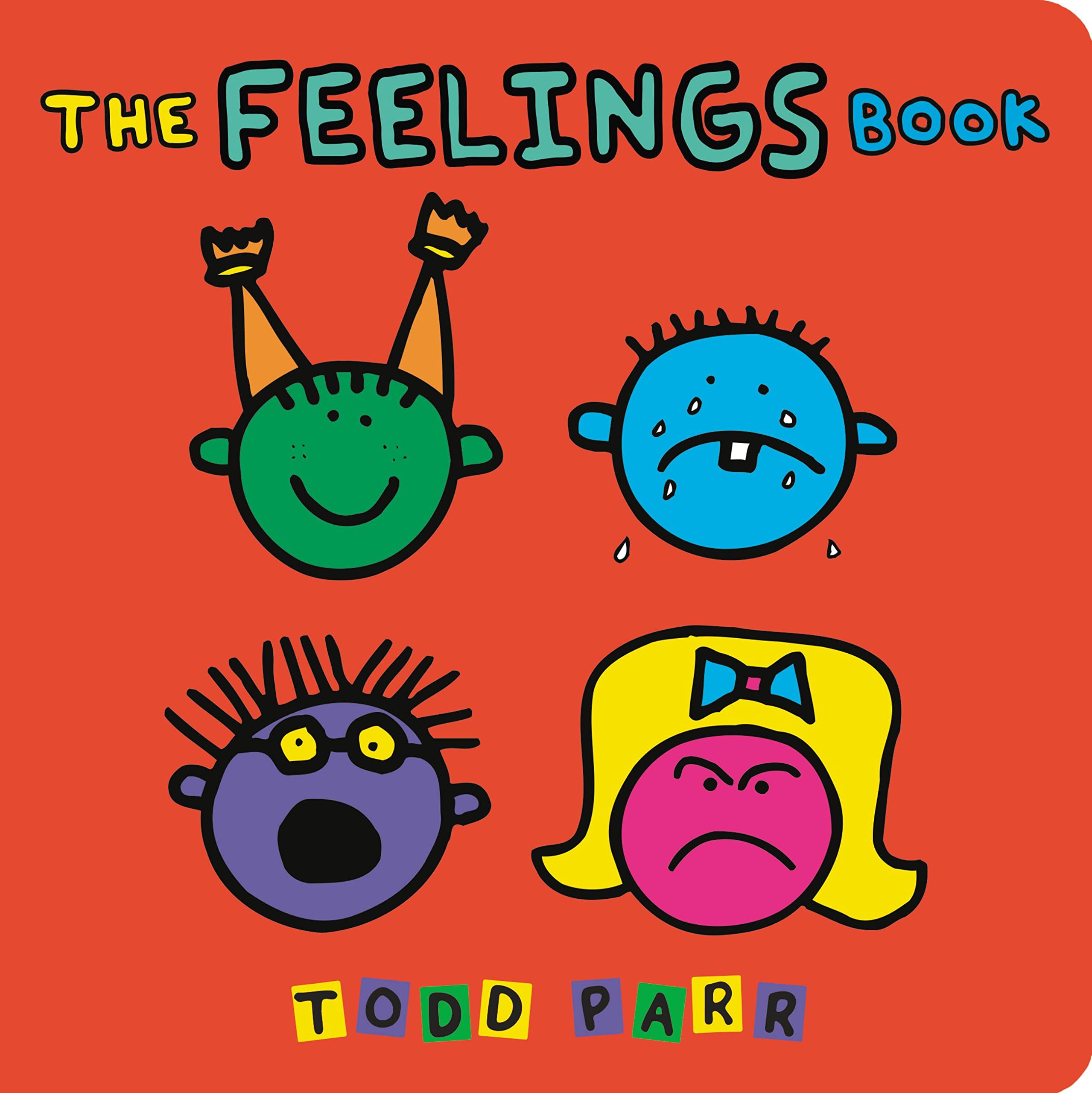
5. Preventing Tantrums Before They Start
Prevention beats damage control, and most of it comes down to protecting the basics your toddler cannot yet protect for themselves. This does not mean avoiding every hard moment; it means stacking the deck so your child has more capacity to handle the hard moments that do come up.
Build predictability
Toddlers thrive on routine because it reduces uncertainty, and uncertainty is a major tantrum trigger. Consistent meal times, nap windows, and transition warnings ("two more minutes, then bath") give their brains something solid to hold onto.
Predictable routines help children feel safe and reduce the anxiety that often underlies disruptive behaviour.
— Centers for Disease Control and Prevention (2023)
Give controlled choices
Offering two acceptable options ("red cup or blue cup") satisfies a toddler's drive for autonomy without handing over control of things that actually matter (safety, bedtime, screen time).
Teach feelings vocabulary early
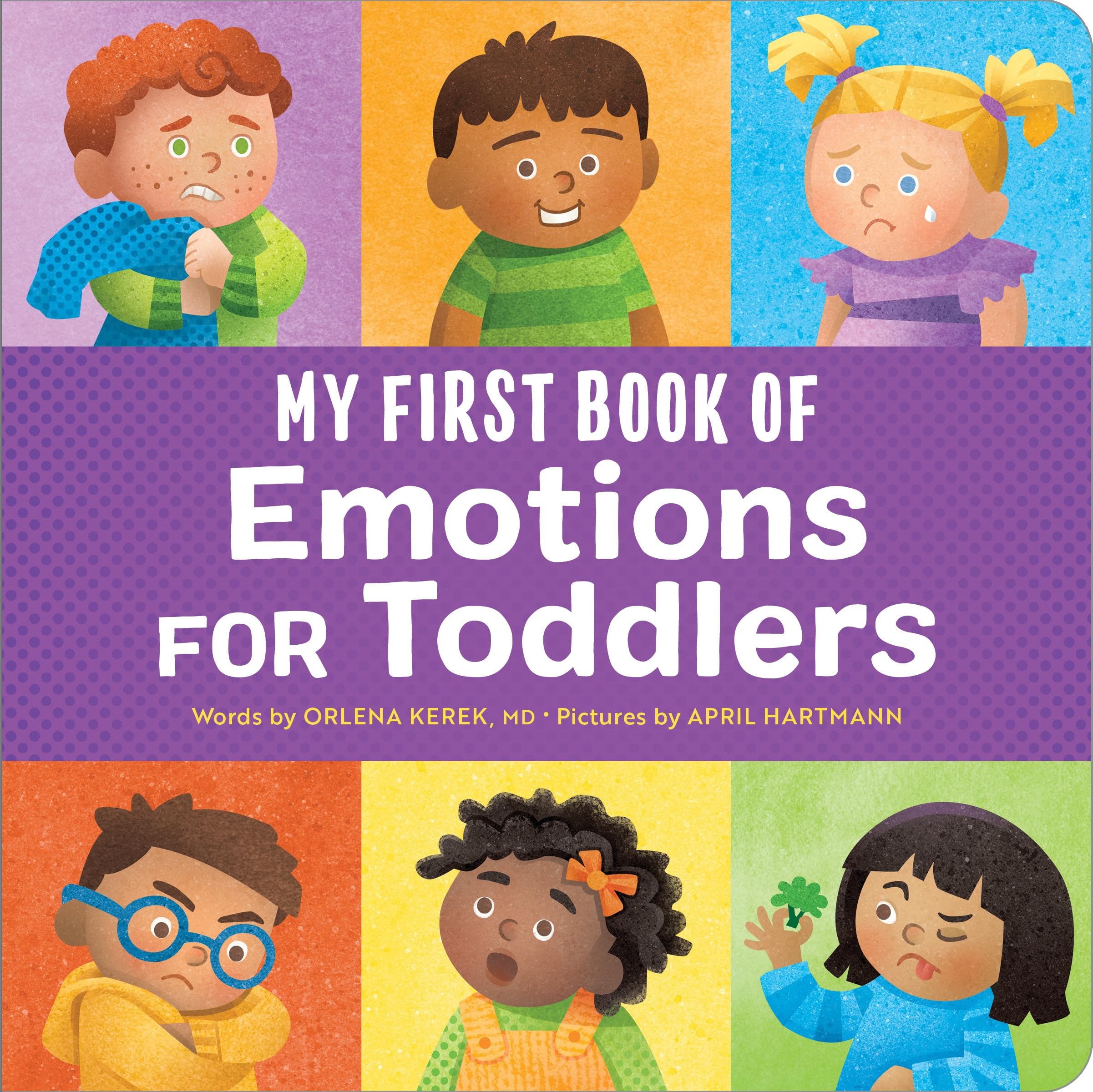
Toddlers who can say "mad" or "sad" have an alternative to screaming it. Reading through simple emotion books together, even briefly each day, builds this vocabulary gradually. My First Book of Emotions for Toddlers is a favourite for exactly this reason, short, simple pages that name feelings clearly.
Approaches rooted in gentle, positive parenting and gentle discipline principles tend to reduce tantrum frequency over weeks because they focus on connection and consistency rather than control through fear.
6. When Frequent Tantrums Might Need a Closer Look
Most tantrum heavy days are within the range of normal, but certain patterns are worth mentioning to your paediatrician. This is not about labelling your child, it's about ruling out things that are easier to address early.
Signs worth a conversation with your paediatrician
While frequent tantrums are common in toddlers, tantrums that are violent, prolonged, or accompanied by developmental regression warrant evaluation.
— American Academy of Pediatrics (2023)
If several of these apply consistently, rather than on the occasional rough day, a paediatric visit can help rule out sensory processing differences, speech delays, or other factors that make emotional regulation harder for your specific child. Most of the time, the answer is simpler: more sleep, more predictability, more patience, and time. Understanding how toddler brains actually learn can also reframe what looks like defiance as, more often, a brain still under construction.
| Approach | Best Age Range | Primary Benefits | Main Drawbacks | Recommended Product | Price Range |
|---|---|---|---|---|---|
| Emotion naming books | 1 to 4 years | Builds vocabulary for feelings before meltdowns | Requires repeated reading to stick | The Feelings Book | Varies |
| Lift a flap emotion books | 6 months to 2 years | Interactive, holds attention of younger toddlers | Less useful once child has strong verbal skills | Babies Love Feelings Lift a Flap Board Book | $6.29 |
| Structured emotion curriculum books | 2 to 5 years | Teaches coping strategies, not just labels | Higher price point | A Little SPOT: My First Emotions | $35.22 |
| Simple first emotion books | 1 to 3 years | Easy for very young toddlers to follow | Limited depth for older preschoolers | Baby's Feelings, A First Book of Emotions | $8.99 |
| Toddler favourite emotion primers | 1 to 4 years | Widely loved, strong reviews, good repetition | Basic content for children past age 4 | My First Book of Emotions for Toddlers | $6.50 |
| Guided feelings companion books | 3 to 6 years | Good for slightly older kids building empathy | Less suited to toddlers under 2 | How Do I Feel? A Little Guide to My Emotions | Varies |
Expert Insights
Tantrum heavy days are genuinely hard, and they do not last forever, even when it feels that way at 4pm on a Tuesday. Your toddler is not giving you a hard time; they are having a hard time, in a brain and body still learning how to handle big feelings. As one paediatrician put it, the goal is not a child who never falls apart, but a child who learns, slowly and with your steady support, how to come back together. If this helped, save it for the next rough day, and share it with another parent who needs to hear they are not doing anything wrong.
Sources & References
- American Academy of Pediatrics. "Temper Tantrums: A Normal Part of Growing Up." 2023. healthychildren.org.
- Zero to Three. "Understanding and Responding to Toddler Tantrums." 2022. zerotothree.org.
- Centers for Disease Control and Prevention. "Positive Parenting Tips: Toddlers." 2023. cdc.gov.
- Siegel, Dan. "The Whole Brain Child: Applying Neuroscience to Everyday Parenting." UCLA School of Medicine, 2011.
- Klein, Tovah. "How Toddlers Thrive." Barnard College Center for Toddler Development, 2014.
Frequently Asked Questions
Why does my toddler have tantrums every single day, all day?
Is it normal for a 2 year old to have 10 tantrums a day?
Should I ignore my toddler during a tantrum?
Can too much screen time cause more tantrums?
At what age do tantrums usually stop?
Should I give in during a tantrum to make it stop faster?
Could constant tantrums mean something is developmentally wrong?
Was this helpful?
Thanks — your feedback helps us pick what to write next.