Mom Burnout: How to Fight the Emotional Exhaustion of Modern Parenting
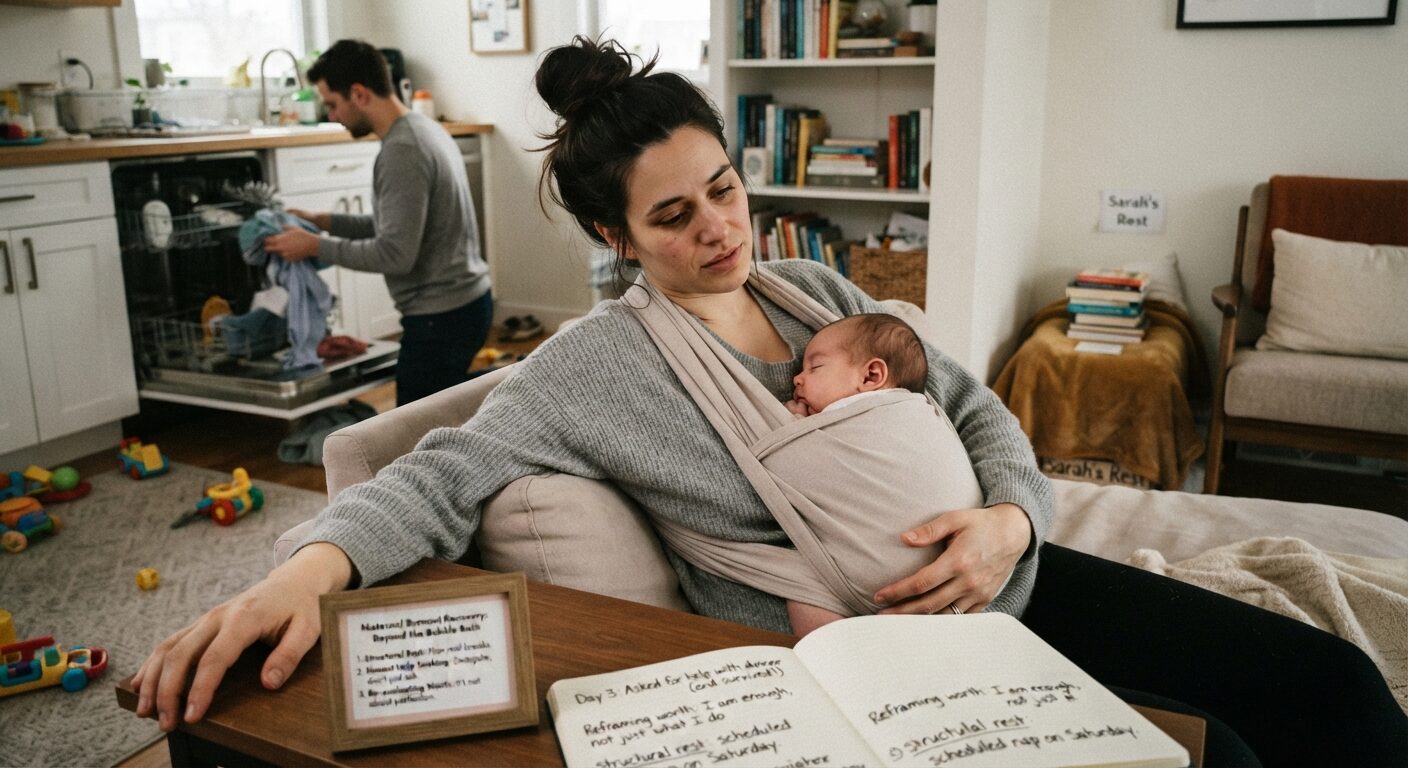
Maternal burnout is a real, clinically recognised condition driven by the relentless emotional and physical demands of modern parenting, and recovering from it requires more than a bubble bath — it takes structural rest, honest help seeking, and a deliberate shift in how mothers
In this article
There is a particular kind of tired that sleep does not fix. You know it. You wake up after seven hours and feel exactly as depleted as you did when you lay down. The kids need breakfast, someone has lost a shoe, your phone is already buzzing with school notifications, and before 8am you have already made forty decisions and swallowed three emotions that had nowhere to go. According to a 2021 study published in Clinical Psychological Science, parental burnout affects an estimated 5–8% of parents in Western countries. But here's what that number misses: the researchers also found that mothers consistently reported higher burnout scores than fathers, and that the gap widened in households where the domestic and emotional labour was distributed unequally. That is not a small footnote. That is the whole story.
This article is for every mother who has sat in a quiet car for five extra minutes after a grocery run just to have thirty seconds of silence. You will come away understanding:
1. What Parental Burnout Actually Is (and What It Is Not)
Burnout is not just tiredness, and it is not a personality flaw. Parental burnout is a specific syndrome that researchers Isabelle Roskam and Moïra Mikolajczak at the Université Catholique de Louvain have spent years defining and measuring. Their work, published in Frontiers in Psychology, describes it as a state resulting from chronic parenting stress that has exceeded a parent's available resources. It has four distinct dimensions: overwhelming exhaustion related to your parenting role, emotional distancing from your children (you go through the motions but feel nothing), a loss of personal fulfilment as a parent, and a contrast with the parent you used to feel like you were.
That last one is the cruelest part. You remember a version of yourself who genuinely enjoyed bath time, who wanted to read one more chapter, who didn't internally count down the minutes to bedtime. The gap between that person and who you are right now is not evidence that you are a bad mother. It is evidence that you are running on empty.
Why Burnout Is Different From Depression
This distinction matters clinically. Burnout is context specific: it is tied to the parenting role. You may feel completely flat when you are in "mom mode" but still feel like yourself when you are at work, with friends, or on a rare morning alone. Depression, by contrast, seeps into every context. Both can coexist, which is why professional assessment matters. But naming burnout correctly is the first step, because the interventions are different.
The Four Warning Signs Worth Watching
Recognising these as symptoms rather than character defects is genuinely the hardest and most important first step.
2. The Modern Pressures That Are Making It Worse
Burnout in mothers is not new, but the specific cocktail of pressures in 2025 is unlike anything previous generations faced, and we need to name them honestly.
The Mental Load Is Invisible and Unrelenting
The "mental load" — a term popularised by French cartoonist Emma in her widely shared 2017 comic — refers to the cognitive and managerial work of running a household and a family. It is not the doing; it is the remembering, the planning, the anticipating. Booking the dentist, tracking when the school permission slip is due, noticing the shampoo is almost out, remembering that your child has a friend conflict that needs a gentle check-in. Research from the American Psychological Association consistently finds that women carry the majority of this invisible labour even in households where both partners work full time.
The insidious thing about the mental load is that it never powers off. You cannot leave it at the office. It runs in the background of every meal, every conversation, every moment that should be rest. Over months and years, this background processing is genuinely exhausting in a neurological sense.
Burnout is not a sign of weakness. It is a sign of trying to be strong for too long.
— Roskam & Mikolajczak, Parental Burnout Research Group, Université Catholique de Louvain (2018)
Social Media and the Performance of Perfect Motherhood
Scroll for five minutes on any platform and you will find a mother whose house is clean, whose children are thriving, who is practicing gentle parenting with a calm smile while also running a small business and finding time for self care. This is not reality. It is a curated highlight reel that your brain, which is already exhausted and primed for comparison, processes as evidence that you are falling short.
The reason modern parenthood feels like a performance is not your imagination. Social media has created a public audience for parenting decisions that previous generations never had. Every choice, from feeding methods to screen time limits, feels like it is being watched and judged. That ambient sense of scrutiny is not neutral. It costs energy, and energy is exactly what you don't have.
The "Good Enough" Bar Keeps Moving
There is a concept in developmental psychology called the "good enough mother," coined by British paediatrician and psychoanalyst Donald Winnicott. His point was that children do not need a perfect mother — they need a reliably present, warm, imperfect one. But somewhere in the past two decades, the bar for "good enough" has been quietly replaced with a standard that would exhaust a professional athlete. Organic meals, enriched play, emotional attunement, educational screen time limits, a consistent sleep routine, physical activity — each individual recommendation is reasonable. Together, they form a list that no single person can execute perfectly while also being a human being.
3. The Body Keeps the Score: Physical Signs You Cannot Ignore
Emotional burnout does not stay emotional for long. Your body picks it up and starts carrying it too, which is why so many burned out mothers end up at their GP with physical complaints that turn out to have no clear medical cause.
What Chronic Stress Does to Your Body
When you are in a sustained state of stress, your hypothalamic-pituitary-adrenal (HPA) axis stays activated. Cortisol and adrenaline flood your system, which is fine in short bursts but damaging over months. The research is clear: chronic elevated cortisol disrupts sleep architecture, suppresses immune function, increases inflammatory markers, and contributes to metabolic dysregulation. In plain English: you get sick more often, sleep worse even when you finally have the chance to sleep well, and your body starts working against you.
None of these symptoms mean something is seriously wrong with you medically. But they do mean your nervous system has been in fight or flight mode for too long, and your body is doing its best to tell you.
Sleep Is Not the Whole Answer (But It Matters)
I want to gently push back on the cultural tendency to offer "sleep more" as the cure for maternal exhaustion. For many mothers, the problem is not simply sleep quantity. It is sleep quality disrupted by hypervigilance (one ear always on the children, even when they are teenagers), and it is the fact that sleep does not restore someone whose daytime hours contain zero genuine rest.
That said, sleep deprivation is a genuine amplifier of burnout. Research from the CDC shows that adults who sleep fewer than 7 hours per night have significantly higher rates of reported mental health difficulties. If your sleep is the first casualty of stress, treating it as a priority rather than a luxury is medically justified.
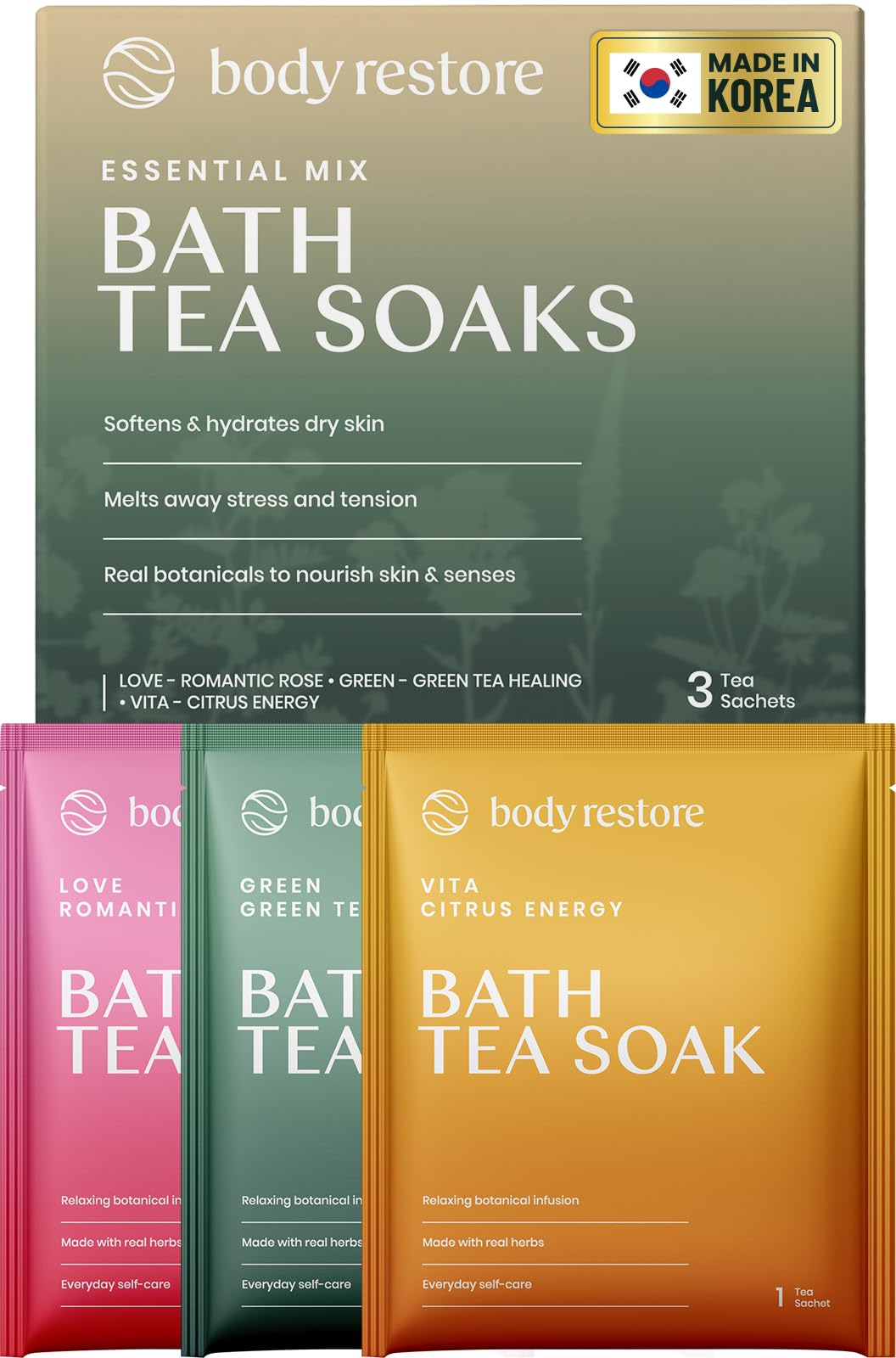
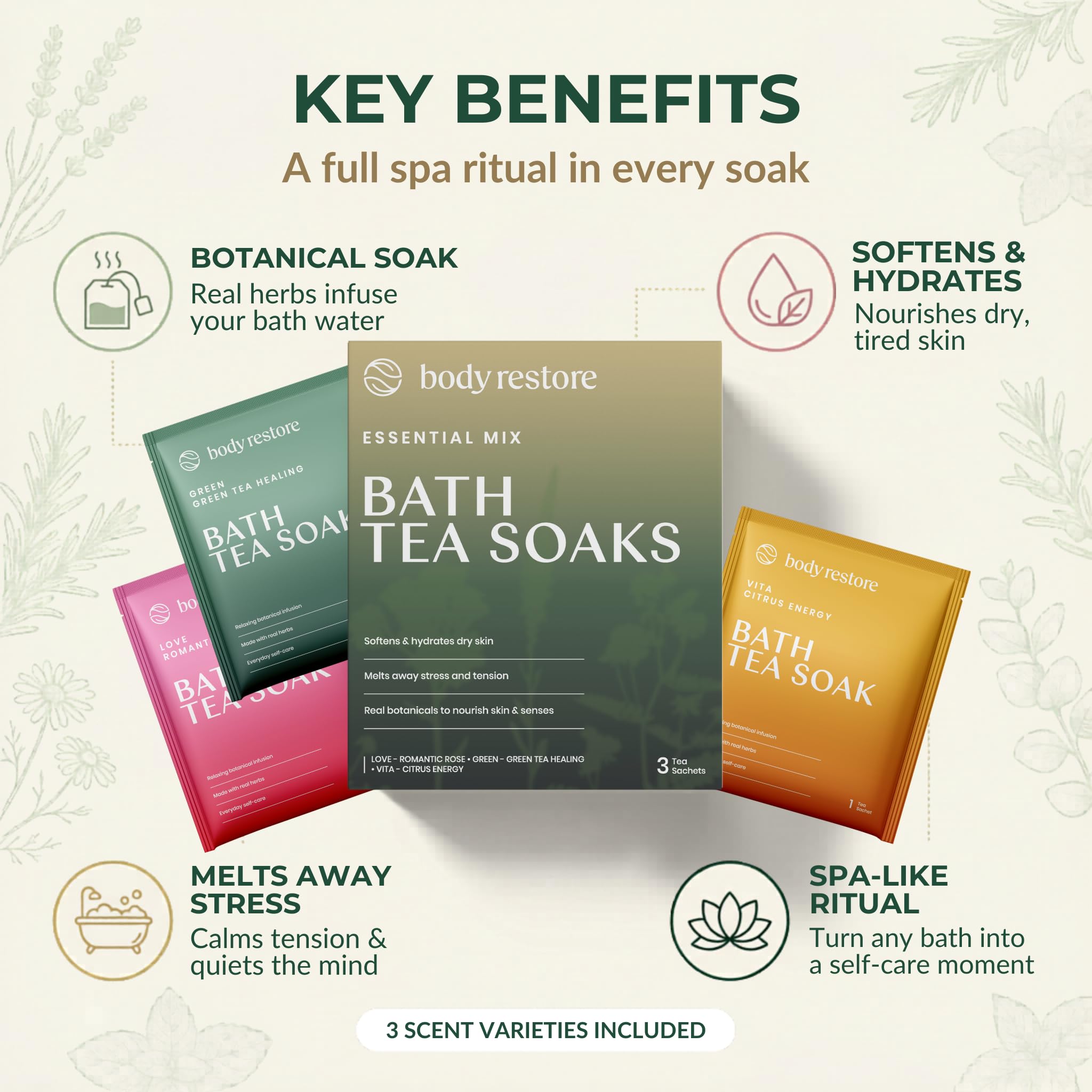
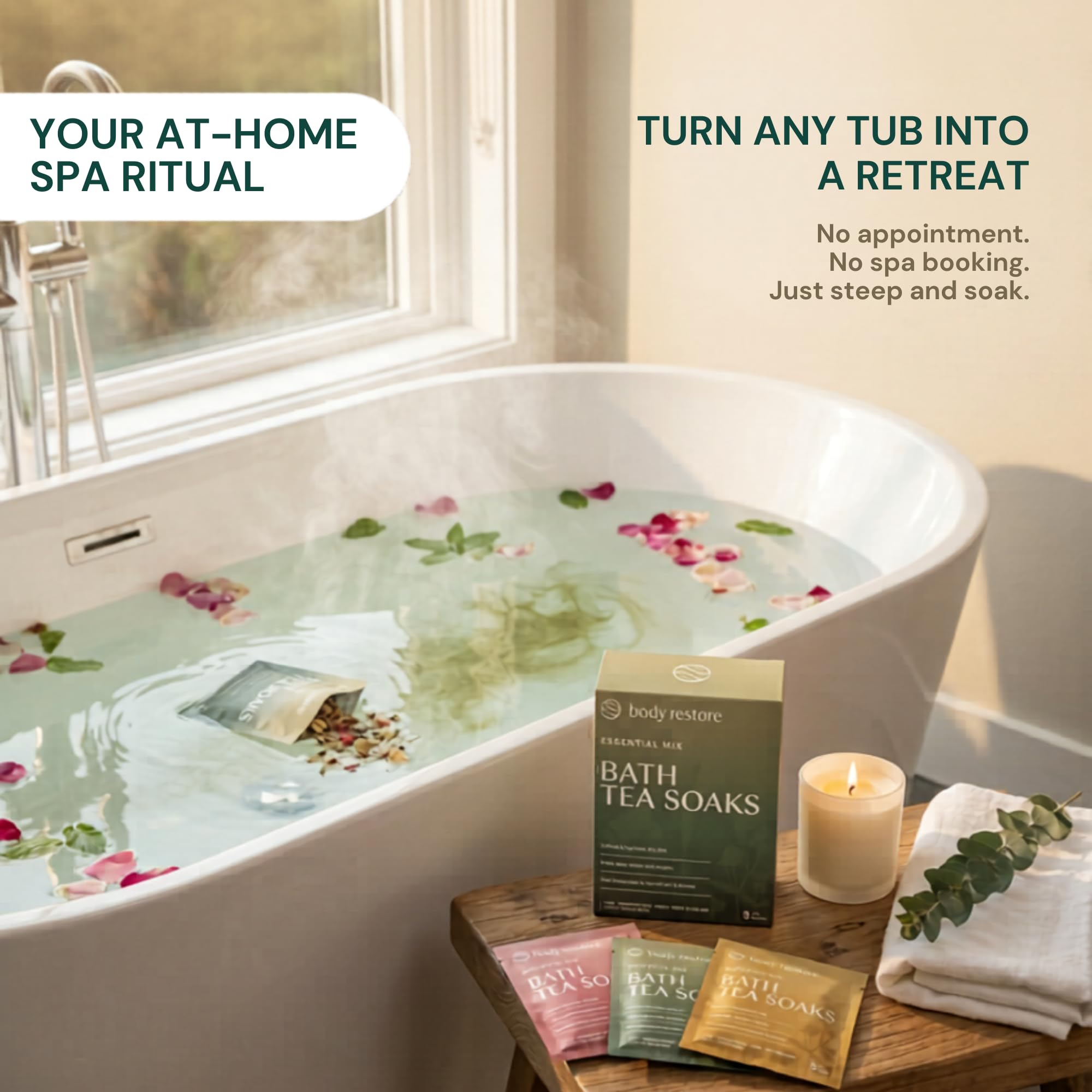


Body Restore Bath Tea Soaks Gift Set – Spa Gifts for Women, Mom, Wife & Self Care Lovers – Relaxing Botanical Bath Sachets for Stress Relief & Hydrated Skin – Essential Mix (3 Pack)
- PERFECT SPA GIFT SET FOR HER & HIM: Thoughtful self-care gift for women and men—ideal for birthdays, Mother’s
- RELAX & UNWIND WITH BOTANICAL BLENDS: Crafted with real botanicals and mineral-rich salts to create a soothing
- SPA-LIKE BATH EXPERIENCE AT HOME: Simply place the sachet in warm running water and enjoy a gentle infusion of
4. Practical Recovery Strategies That Actually Work
Here is the honest truth: there is no single intervention that fixes burnout. Recovery is not a weekend away, not a yoga class, not a journal. It is a sustained, multi-pronged shift in how you relate to your role, your time, and yourself. But there are specific, evidence informed strategies that make a measurable difference, and I am going to give them to you straight.
Strategy 1 — Redistribute Before You Recuperate
The most important thing you can do is not self care. It is labour redistribution. If the burnout is being driven by an unsustainable load, adding a bubble bath on top of that load is not a solution. Have an honest conversation with your partner, your family, or whoever shares your life, about what you are actually carrying. Write it down. The invisibility of the mental load is part of what makes it so hard to address — when you put it on paper, it stops being a feeling and becomes a list that other people can actually share.
Research from Eve Rodsky's 2019 book Fair Play (based on data from hundreds of heterosexual couples) found that women performed an average of 54 hours of domestic labour per week compared to men's 28 hours. Naming that gap is not complaining. It is a necessary precondition for change.
Strategy 2 — Micro Moments of Genuine Rest
Genuine rest is not scrolling. It is not listening to a podcast while folding laundry. It is any activity that allows your nervous system to actually downregulate. For some people that is a ten minute walk with no phone. For others it is five minutes of deliberate breathing, a cup of tea drunk while sitting down with no screens, or a quick body scan exercise using something like the Allura & Arcia stress relief cards that can be done in the space of a single child's nap.
The key word is deliberate. Your nervous system needs a clear signal that it is off duty.
Strategy 3 — Address the Internal Narrative
A significant driver of maternal burnout is not just the external workload. It is the internal commentary running alongside it. The voice that says "a better mother wouldn't feel this way," "I should be enjoying this," "what is wrong with me." This internal critic is not a truth teller. It is a stress response.
Kristin Neff's research on self compassion shows that mothers who practice self compassion — treating themselves with the same kindness they would offer a close friend — show significantly lower rates of burnout, anxiety, and parenting stress. Self compassion is not self indulgence. It is a measurable, clinically studied skill that can be learned.


Allura & Arcia 52 Stress Less & Self Care Cards - Mindfulness & Meditation Exercises - Anxiety Relief & Relaxation
- 52 EASY EXERCISES FOR EVERYONE: This unique Self Care Deck contains 52 extremely effective exercises for mindf
- POWERFUL MEDITATION AND MINDFULNESS TECHNIQUES: These exercises are known to help reduce stress, anxiety and s
- RECOMMENDED BY HEALTH CARE PROFESSIONALS: For kids, teens, women, men & adults, our self care kit cards are re
5. Self Care That Goes Deeper Than a Bath (Though the Bath Counts Too)
Let me be direct about something: the commercialisation of "self care" has turned a genuine clinical concept into a marketing category. Real self care is not exclusively spa products and scented candles. It is the full spectrum of activities that restore your capacity to function: physical, emotional, relational, and creative.
That said, there is real physiological value in sensory, somatic practices. A warm bath genuinely activates the parasympathetic nervous system. Scent is one of the most direct routes to emotional state regulation — it is the only sense that bypasses the thalamus and goes straight to the limbic system, which is why lavender, used in the Suhctuptx spa gift set, is not just nice-smelling but neurologically relevant.
So yes, the bath counts. Just not as a substitute for everything else.
The Three Layers of Sustainable Self Care
Layer 1: Daily micro practices (5–15 minutes) These are your nervous system anchors. They should not require planning, equipment, or anyone else's cooperation.
Layer 2: Weekly restoration (30–60 minutes) This is where the bath lives. Where physical care lives. Where creativity lives. It requires coordination with your household, which is why it belongs in the redistribution conversation from Section 4.
Layer 3: Seasonal restoration (every 2–3 months) A longer break. A full day alone or with a partner that does not revolve around parenting tasks. This does not require a hotel or a budget. It requires someone else taking the children for a morning and you having a plan for that time that is genuinely restorative rather than catching up on admin.
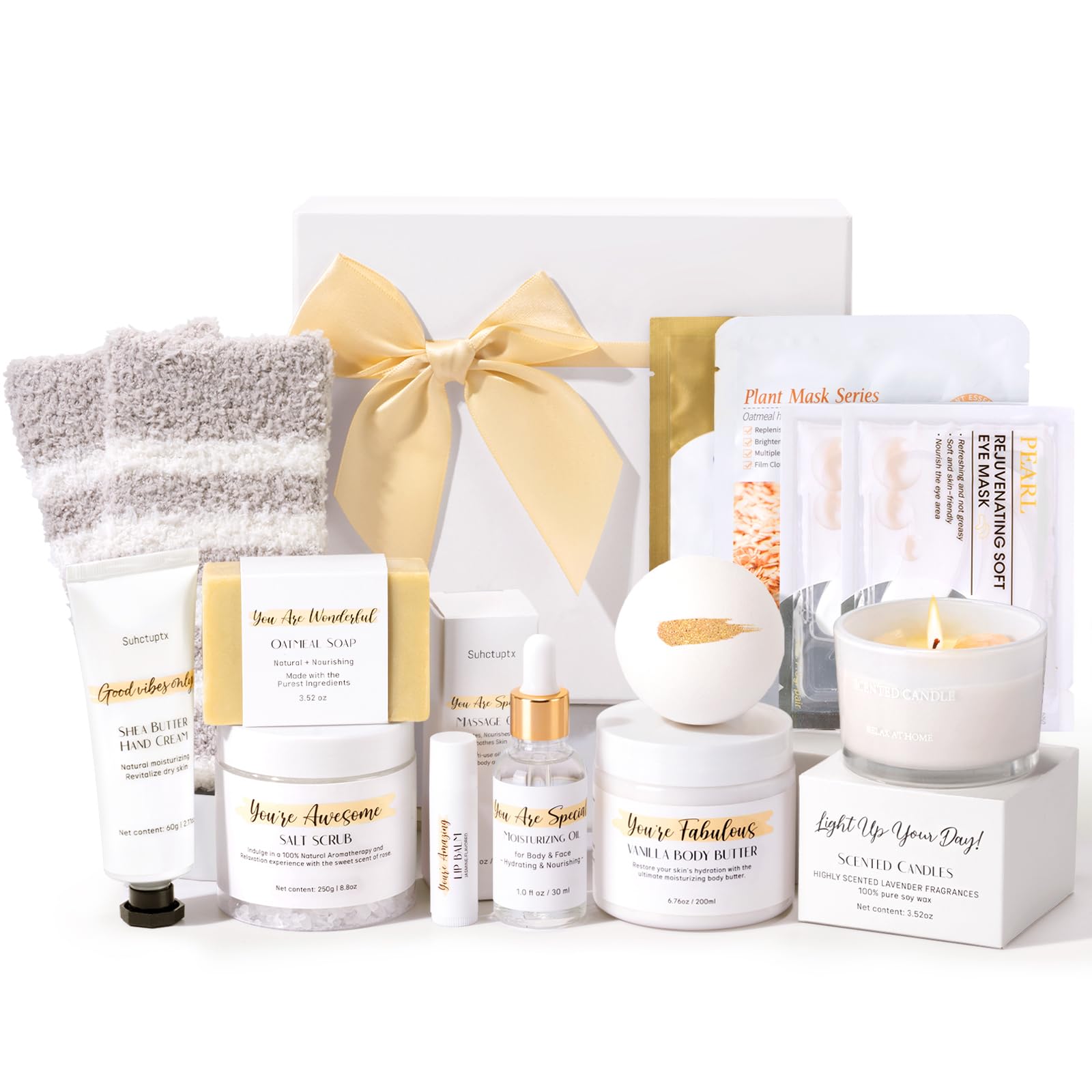
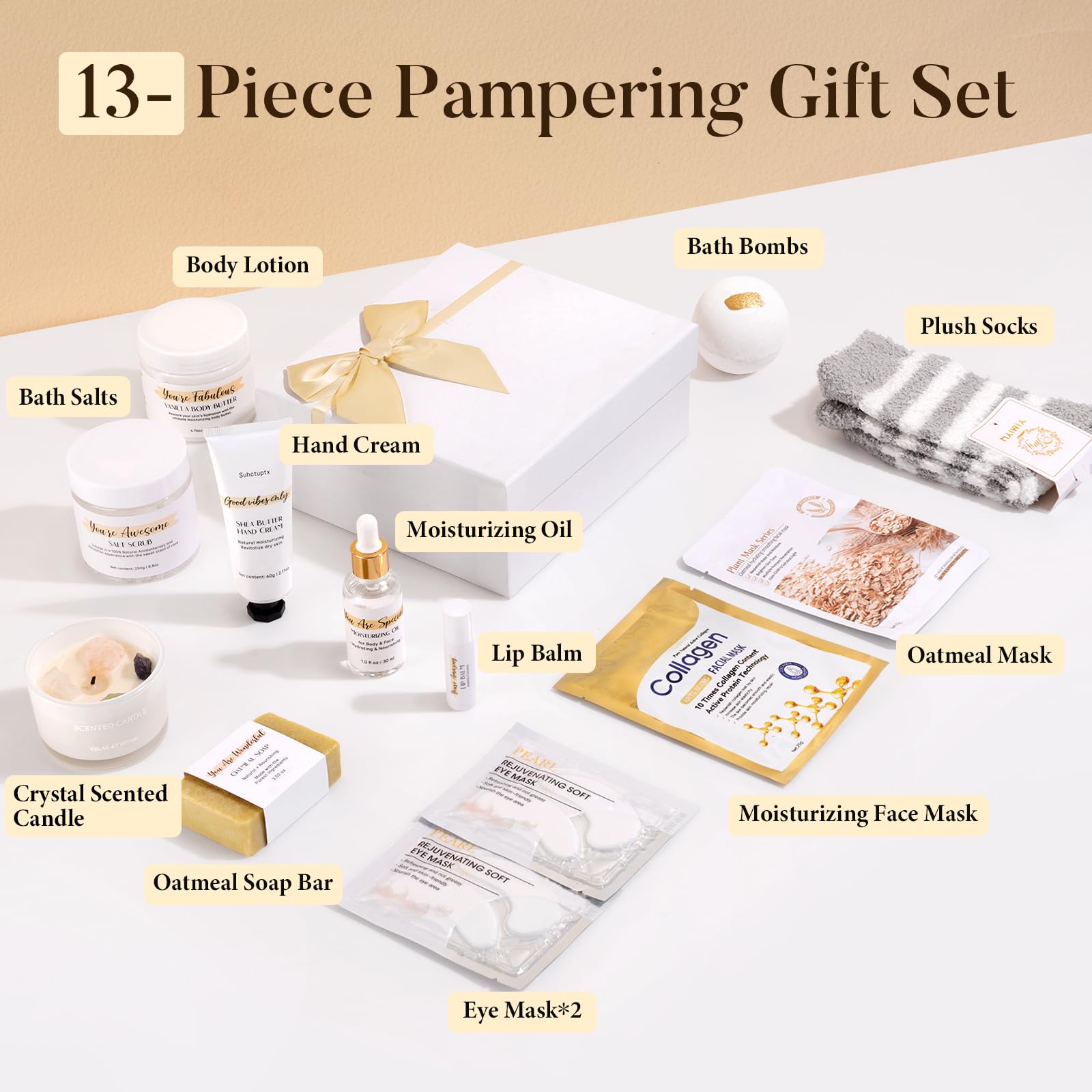


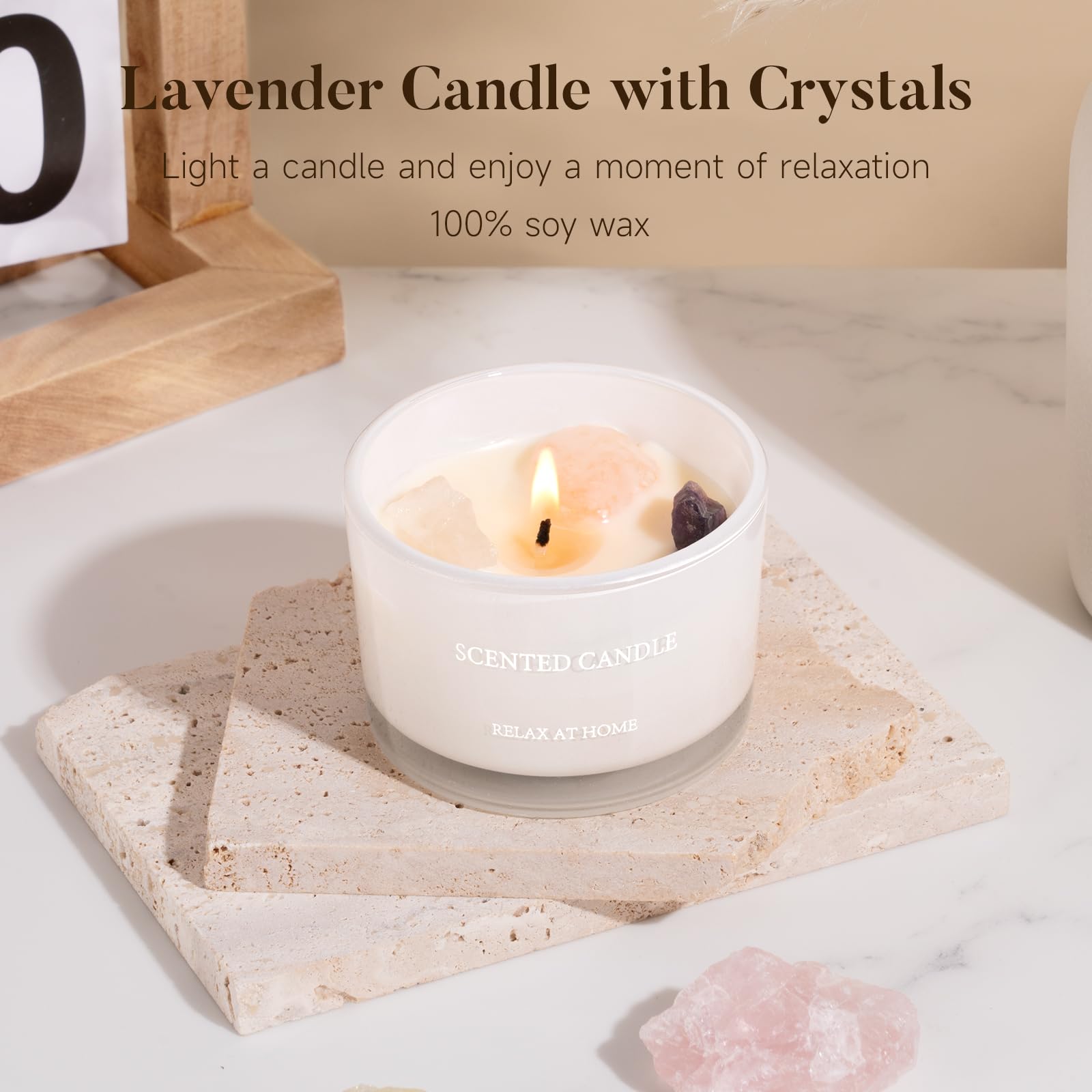
Spa Gifts for Women 13Pcs Mothers Day Gifts Happy Birthday Gift Baskets, Christmas Relaxing Home SPA Kit Bath Set Self Care Package Thank You Box for Mom Her Sister Teacher Friends Friendship
- 【THOUGHTFUL GIFT BASKETS FOR WOMEN】Want the perfect way to say “Happy Birthday,” “Thank you, Mom,” or “Merry C
- 【UNIQUE SPA GIFTS FOR WOMEN】This beauty & bath spa kits is the perfect gift to remind the women in your life t
- 【RELAXING GIFTS FOR WOMEN】Scented candles are infused with lavender and positive healing crystals stones - Ame
The Wasocol care package for women makes a thoughtful gift to give yourself or to put on a wish list for someone who loves you and wants to support your recovery. The act of receiving care is itself therapeutic for mothers who spend most of their time giving it.
On the Research Behind Pleasure
There is a tendency in wellness culture to frame pleasure as suspicious, especially for mothers. But dopamine, the neurotransmitter associated with anticipation and reward, plays a critical role in motivation, resilience, and mood regulation. When your days contain nothing you genuinely look forward to, your dopamine system flatlines. This is not a metaphor. It is measurable. Building small pleasures back into your daily routine is not frivolous. It is neurologically necessary.





Qinline SPA Gifts for Women & Teen Girl – 10 PCS Graduation Birthday Gift Basket, Luxury Self Care Home Bath Set for Relaxing, Get Well Soon Care Package & Pampering Gifts for Her Friend Daughter Mom
- UNIQUE GIFTS OF 10-DAY SELF-LOVE CHALLENGE WITH REWARD: Give her an experience she’ll truly remember! Speciall
- 10 PCS WOMEN & TWEEN GIRLS TREND STUFF: Qinline graduation and birthday spa gift basket for women and tween gi
- FUN & MOTIVATIONAL AFFIRMATION CARDS: Beyond the festive fun, Qinline friendship gifts for teen tween women al
6. When to Get Help and What That Help Actually Looks Like
This section matters most, and I have seen too many mothers read fourteen articles about burnout and still not make the appointment. So I am going to be direct with you.
Signs You Need Professional Support Now
If any of these are true, please contact your GP or a mental health professional this week:
The threshold for seeking help is much lower than most mothers think. You do not have to be in crisis. If you are suffering consistently, that is enough reason.
What Professional Help Actually Looks Like
Your GP is a legitimate first stop. They can rule out physical contributors (thyroid function, iron deficiency, perimenopause if relevant), assess for depression or anxiety, refer you to talking therapy, and discuss medication if it is indicated. Going with your written symptom list makes the conversation more efficient.
Cognitive Behavioural Therapy (CBT) has the strongest evidence base for burnout and is widely available. A typical course is 8–12 sessions. In the UK, you can self refer to an IAPT (Improving Access to Psychological Therapies) service. In the US, Psychology Today's therapist finder allows you to search by specialty and insurance.
Acceptance and Commitment Therapy (ACT) is particularly useful for the internal narrative work discussed in Section 4. It focuses on values clarification and psychological flexibility rather than trying to eliminate difficult thoughts, which is a more realistic goal for a mother in the middle of a demanding life.
Peer support should not be underestimated. The evidence on social connection and burnout recovery is robust: mothers with at least one relationship in which they feel genuinely understood and not judged have significantly better outcomes than those who are socially isolated. If formal therapy is not accessible right now, a peer support group — online or in person — is a meaningful start.
Building resilience through connection with others is not soft advice. It is one of the most replicated findings in the mental health literature for parents across all age groups of children.
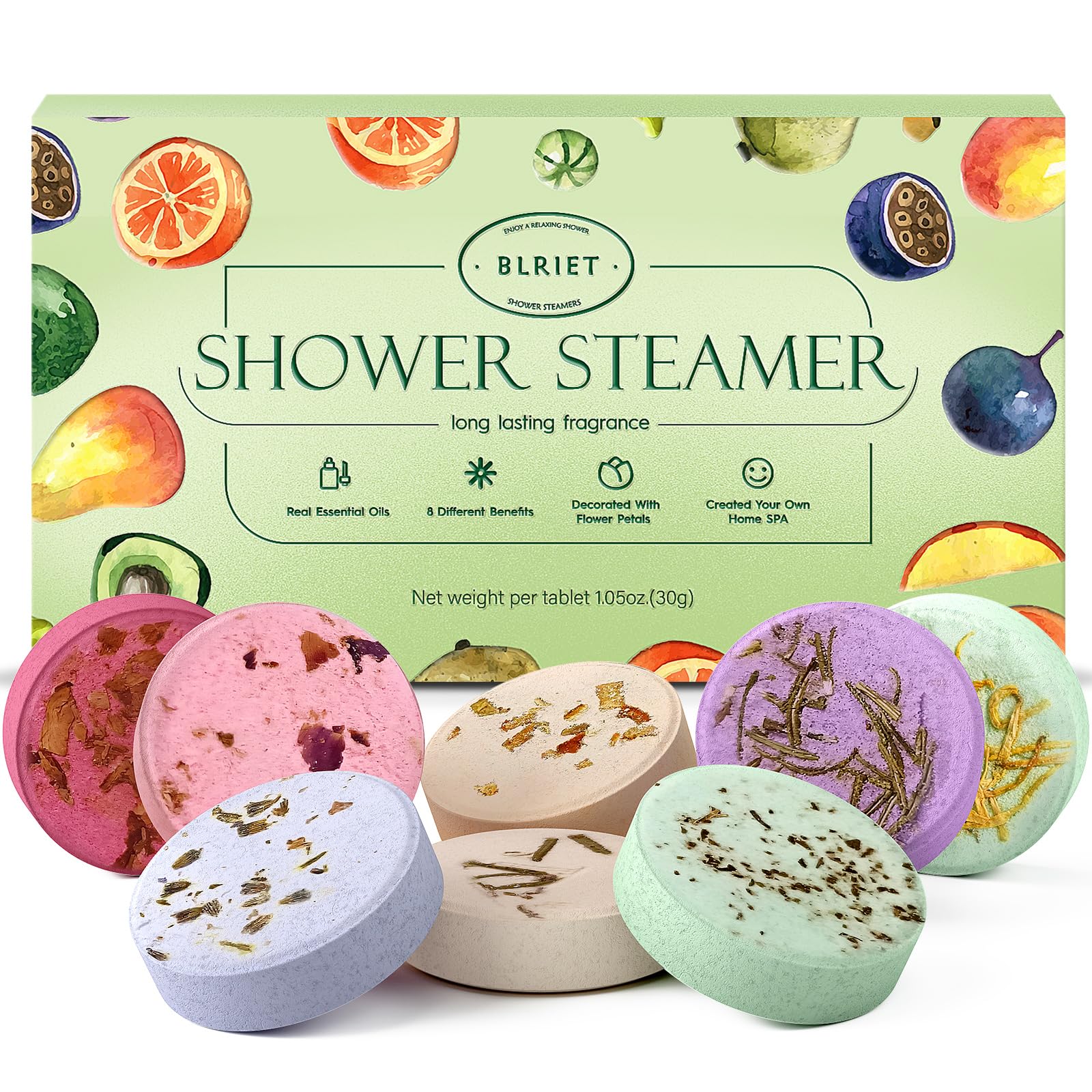

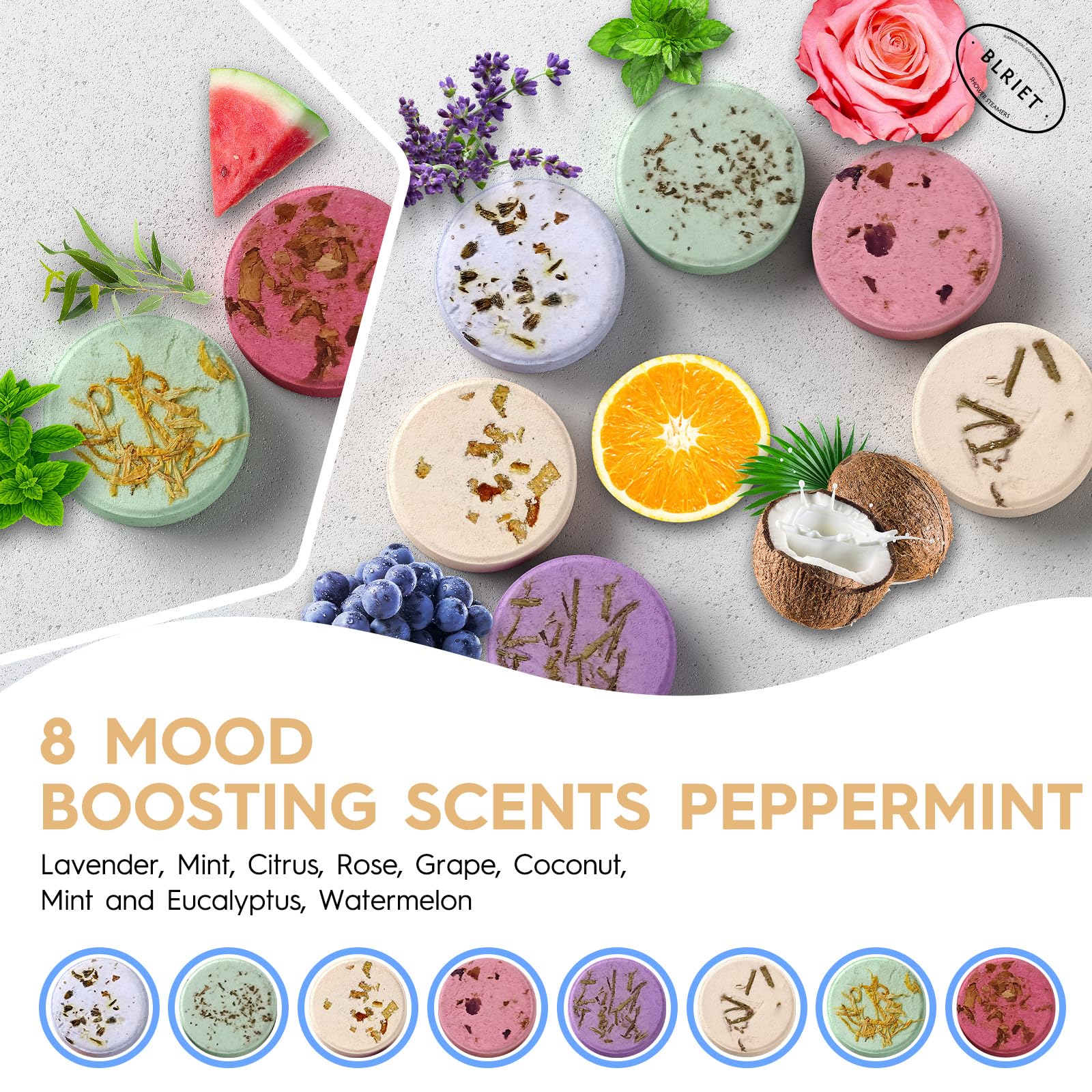
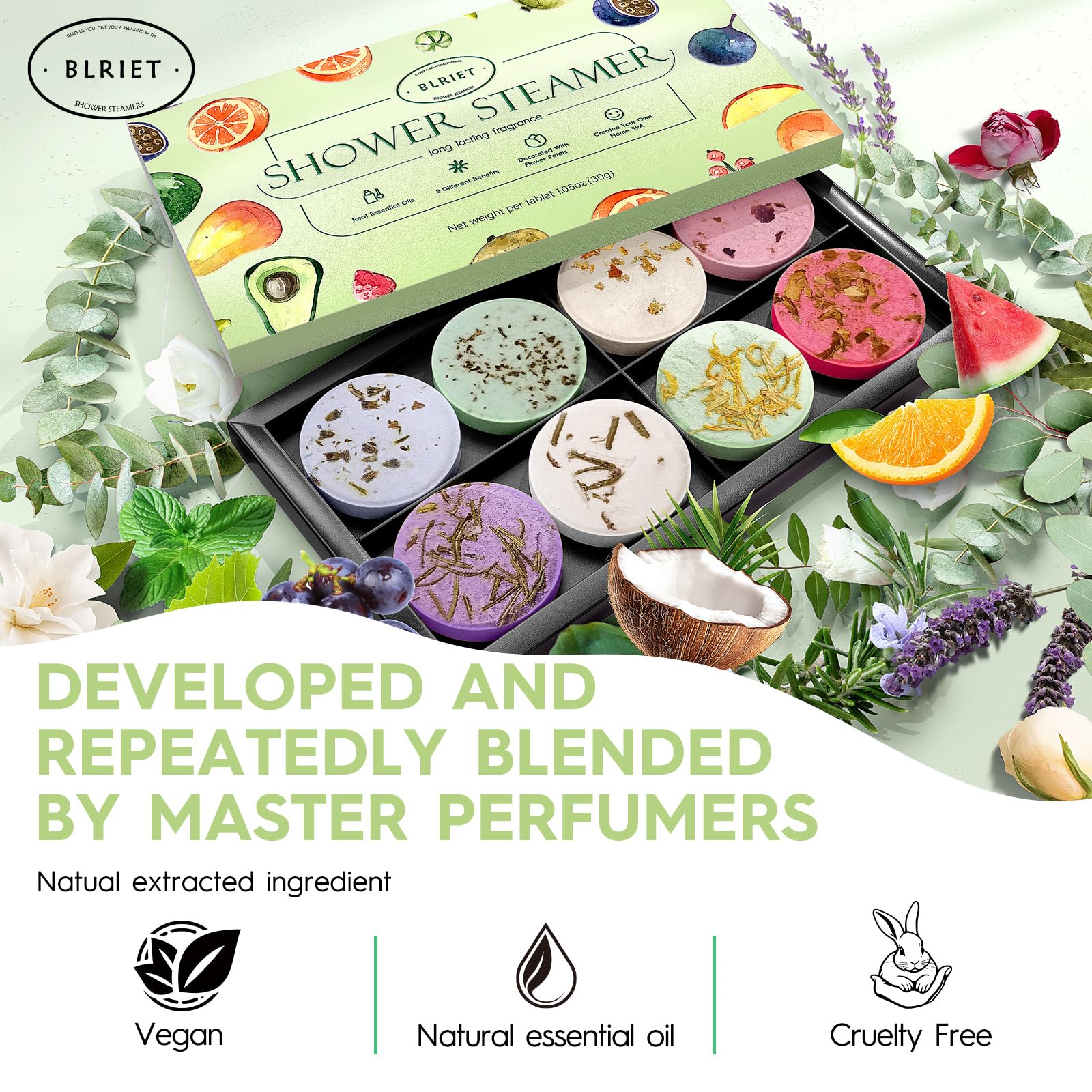
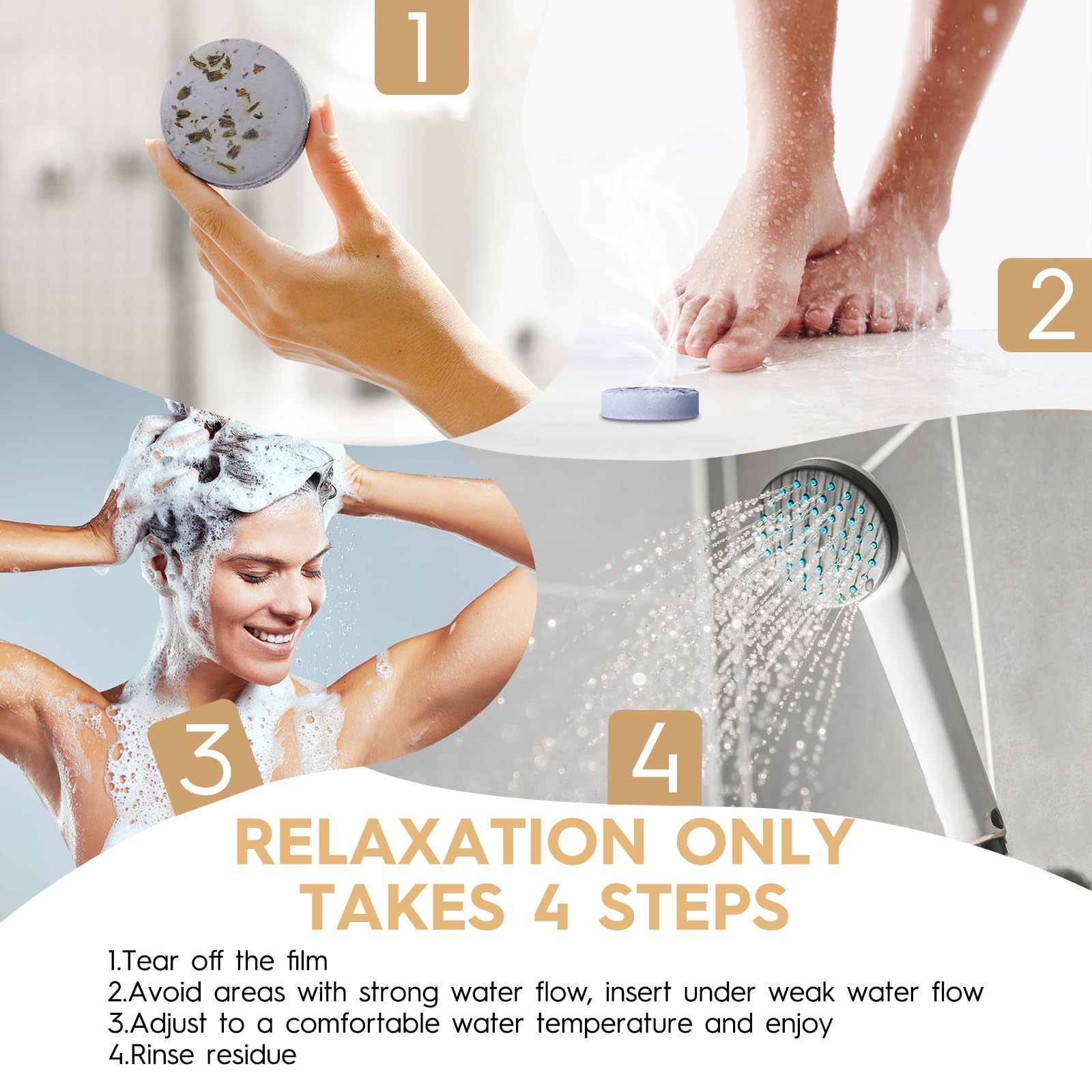
Shower Steamers Aromatherapy Mothers Day Gifts 8 Pack Shower Bombs Fruit Scents with Essential Oils, Birthday Gifts for Girlfriend, Her, Men, Mom, Teens, Self Care Relaxation Home SPA Stress Relief
- Perfect Gifts Options - Beautiful package for you to send as a gifts without repackage it. Containing 8 packs
- Natural Ingredients - BLRIET is made with the finest ingredients. Soothing and no side effects, you can enjoy
- Superior Scent - Developed and repeatedly blended in the laboratory by master perfumers.
7. A Word to the Partners, Grandparents, and Friends Reading This
If you are reading this because someone you love is burned out, there are three things I need you to understand.
First, telling a burned out mother to "relax" or "take some time for yourself" without doing anything concrete to make that possible is not support. It is a suggestion. Support is action: taking the children on Saturday morning without being asked, cooking dinner twice this week, asking "what is the heaviest thing on your list right now and can I own it?"
Second, the real weight of maternal stress is not visible unless you look for it. The mental load is invisible by design — it runs silently because someone competent is managing it. Noticing it requires active attention and genuine curiosity, not waiting for someone to break before taking it seriously.
Third, a thoughtful, well timed gift can communicate something words sometimes fail to: "I see you, and I want you to feel taken care of." The Qinline luxury self care gift basket is the kind of thing that lands differently when it arrives from someone who understood why you needed it.
For the Mothers Whose Partners Are Also Struggling
This conversation is usually framed as mothers vs. fathers, which is both too simple and often unfair. Many partners are also depleted, also isolated, also running on fumes — and the hidden mental health cost of dad isolation is a real and underdiscussed parallel story. The goal is not for one person to win the exhaustion competition. It is for both of you to build a household that can sustain two adults across the long haul of raising children.
That requires honesty, specificity, and a willingness to see each other as two people under pressure rather than adversaries in a resource scarcity argument.
Burnout Recovery at a Glance: Your Self Care Toolkit Compared
| Recovery Strategy | Best For | Time Required | Primary Benefit | Main Limitation | Recommended Product | Price Range |
|---|---|---|---|---|---|---|
| Daily breathing or body scan | All mothers, every day | 5–10 min | Nervous system downregulation | Requires consistent habit building | Stress Less Self Care Cards | $12–13 |
| Warm bath with botanicals | Physical + emotional tension | 20–30 min | Parasympathetic activation, muscle relaxation | Needs child care window | Body Restore Bath Tea Soaks | $7–8 |
| Shower ritual with aromatherapy | Mothers with no bath window | 10–15 min | Sensory regulation, quick reset | Less immersive than a bath | BLRIET Shower Steamers | $14–15 |
| Full spa at-home ritual | Weekly restoration | 45–60 min | Full sensory, skin and nervous system care | Requires planned time and privacy | Suhctuptx 13 Piece Spa Kit | $22–23 |
| Curated self care gift box | Restart after prolonged burnout | Flexible | Signals self worth, pleasure re-engagement | One-time use, not a daily tool | Wasocol Sending Sunshine Care Package | $36–37 |
| 10-day self love challenge kit | Mothers needing structured re-engagement | 10 days | Builds momentum, confidence and routine | Requires sustained engagement | Qinline Luxury Spa Gift Basket | $42–43 |
Expert Insights on Maternal Burnout
You Are Not Failing. You Are Running Out of Fuel.
The most important thing I want you to carry out of this article is this: burnout is not a verdict on your love for your children, your worth as a mother, or your capability as a human being. It is what happens when the gap between what is demanded and what you have available becomes too wide, for too long, with too little support.
You would not judge a car for running out of petrol on a long journey with no service stations. The car is not broken. It just ran out of fuel. You need fuel, specifically: sleep, help, honest conversation, genuine rest, and the radical act of deciding that your needs count too.
If someone in your life needs to hear this, share it with them. If you needed to hear it, keep it somewhere you can find it on a hard day. And if you are ready to take one step: book the appointment, have the conversation, or simply draw a bath tonight and call it medicine.
Because it is.
Sources & References
- Roskam, I., & Mikolajczak, M. "Clinical Perspectives on Parental Burnout." Frontiers in Psychology. 2018. https://www.frontiersin.org/articles/10.3389/fpsyg.2018.00902
- Mikolajczak, M., et al. "Parental Burnout: What Is It, and Why Does It Matter?" Clinical Psychological Science. 2021. https://journals.sagepub.com/doi/10.1177/2167702619858430
- Neff, K.D. "The Role of Self-Compassion in Development: A Healthier Way to Relate to Oneself." Human Development. 2009. https://doi.org/10.1159/000215071
- Walker, M. Why We Sleep: Unlocking the Power of Sleep and Dreams. Scribner, 2017.
- American Psychological Association. "Stress in America: Paying with Our Health." APA, 2015. https://www.apa.org/news/press/releases/stress/2014/stress-report.pdf
- Rodsky, E. Fair Play: A Game-Changing Solution for When You Have Too Much to Do (and More Life to Live). G.P. Putnam's Sons, 2019.
- Centers for Disease Control and Prevention. "Short Sleep Duration Among US Adults." CDC, 2017. https://www.cdc.gov/sleep/data_statistics.html
- Winnicott, D.W. The Child, the Family, and the Outside World. Penguin Books, 1964.
- Emma (cartoonist). "You Should've Asked." English translation published online, 2017. https://english.emmaclit.com/2017/05/20/you-shouldve-asked/
- Neff, K.D., & Germer, C.K. "A Pilot Study and Randomized Controlled Trial of the Mindful Self-Compassion Program." Journal of Clinical Psychology. 2013. https://doi.org/10.1002/jclp.21923
Frequently Asked Questions
What is the difference between mom burnout and just being tired?
How long does it take to recover from parental burnout?
Is medication ever appropriate for burnout?
Can I be burned out if I love my children deeply?
What should I say to my partner about feeling burned out?
Is it normal to want to escape your own life as a mom?
What is the first step if I think I am burned out?
Was this helpful?
Thanks — your feedback helps us pick what to write next.